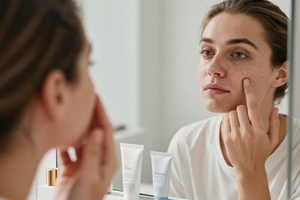
Expert-backed advice: how to tell if retinoid dryness needs a moisturizer change or a break
Retinoid dryness is common, but is it a sign to switch moisturizers or pause treatment? Learn how to read your skin’s signals and adjust your routine safely.
Discover articles, guides, and practical insights for a healthier lifestyle.
Retinoid dryness is common, but is it a sign to switch moisturizers or pause treatment? Learn how to read your skin’s signals and adjust your routine safely.
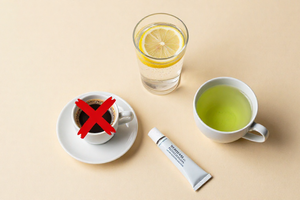
Avoid coffee, alcohol, and sugary sodas while using retinoids. Swap them for green tea, coconut water, or infused water to reduce irritation and support skin healing.
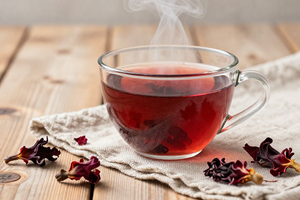
A gerontologist shares the one drink linked to better skin elasticity after 60: hibiscus tea. Learn how anthocyanins support elastin and collagen naturally.

Two overlooked daily habits—inadequate sun protection and side-sleeping—quietly break down collagen in mature skin. Learn simple fixes to protect skin firmness.
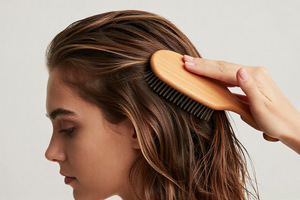
Brushing an irritated scalp can break hair by causing mechanical damage. Learn why over-brushing is harmful, how to brush gently, and when to change your technique.
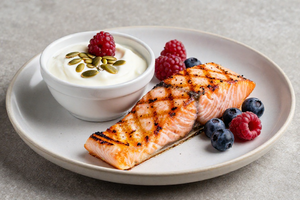
Dietitians recommend three breakfast foods that may calm acne-prone skin: fatty fish, fermented foods, and zinc-rich seeds. Inflammation and gut health explained.
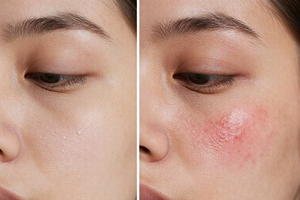
Is your skin purging or reacting to retinoids? Learn the 5 signs of a retinoid reaction—painful cysts, weeping, stinging, sandpaper texture, and swelling—and how to tell them apart from normal purging.
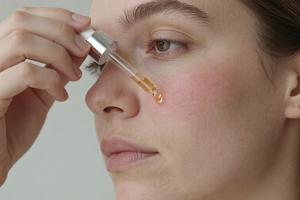
Dermatologists explain the two most common retinoid mistakes that cause redness and peeling—and how to fix them for smoother, healthier skin.

Is your itchy scalp from dryness or a sensitivity reaction? These three telltale symptoms—burning, redness, and heat-triggered itching—help you distinguish sensitive scalp from ordinary dryness.


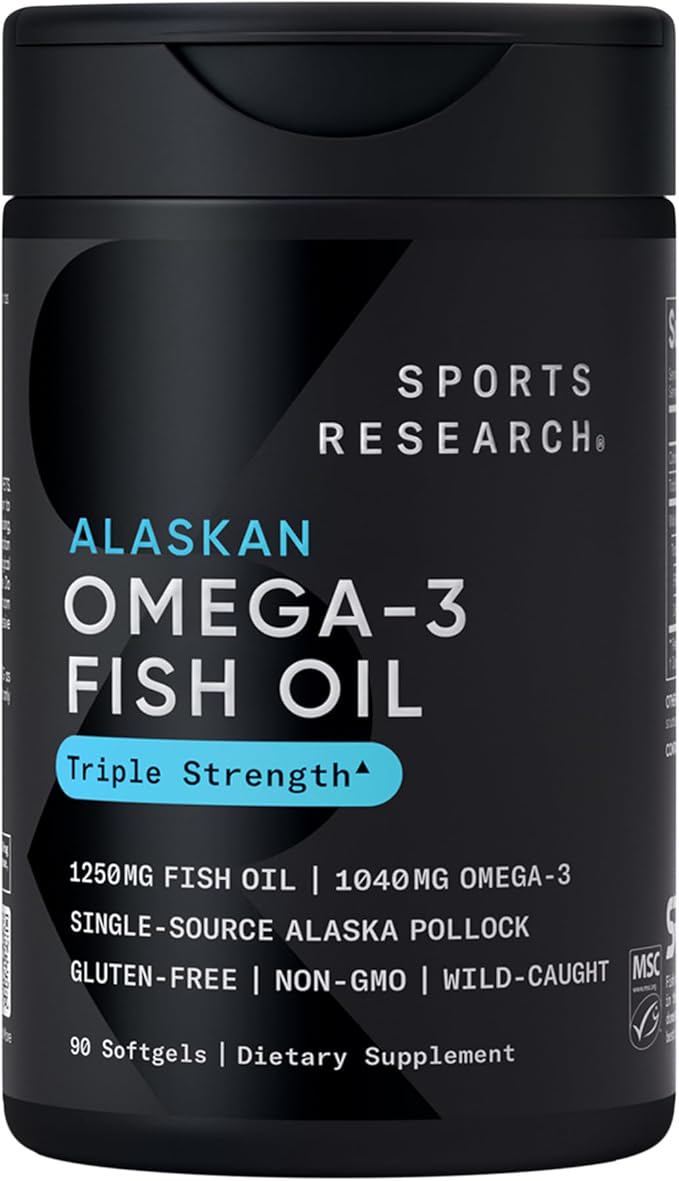
Sports Research® Omega-3 Fish Oil 1250 - Triple Strength Fish Oil Supplement from Wild Alaska Pollock - MSC Certified Sustainable · Non-GMO · Soy Free - 90 Softgel Capsules
Check it out

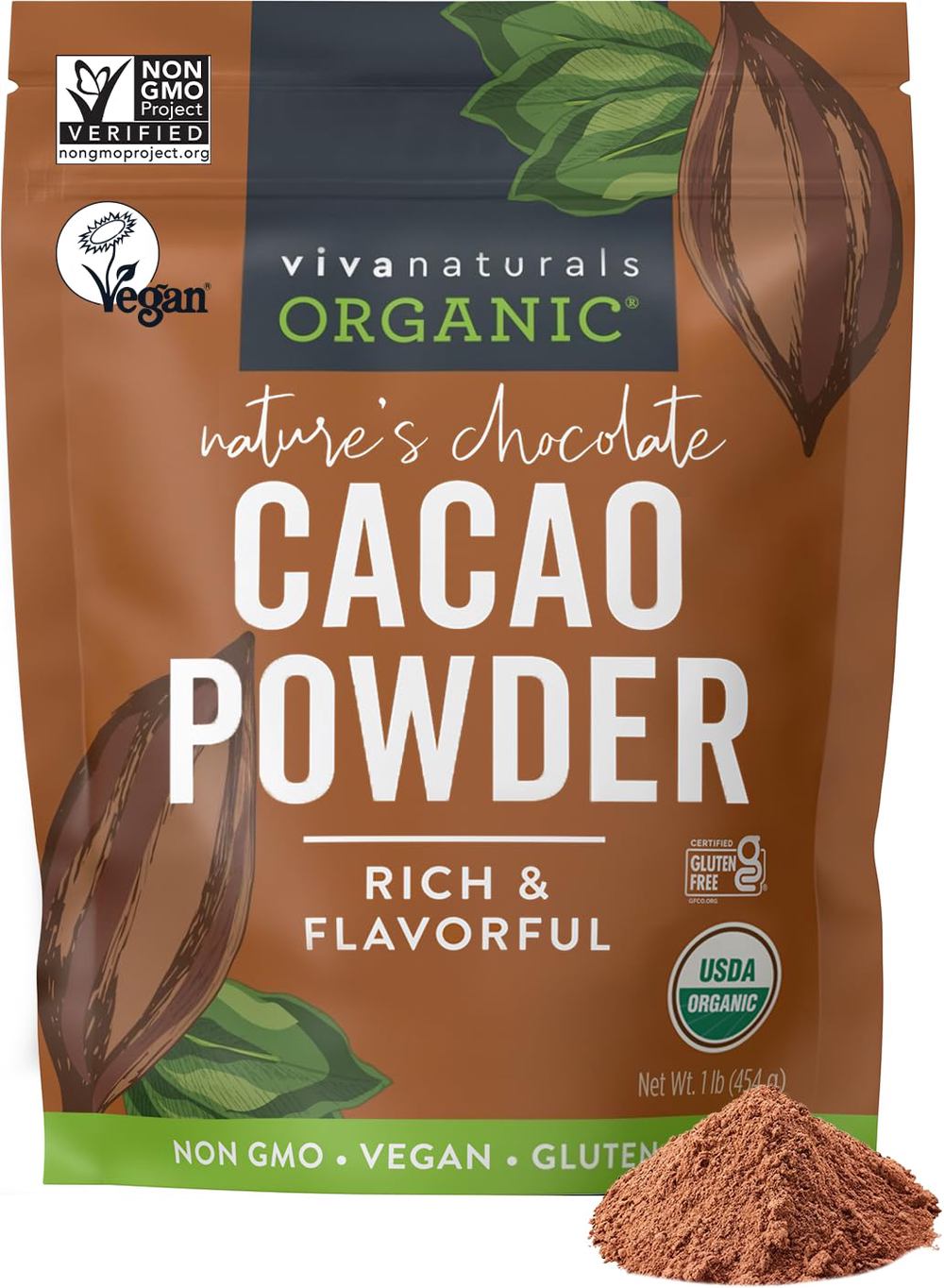
Organic Cacao Powder, Unsweetened, 1 lb (454 g) – Rich Dark Chocolate Flavor, Perfect for Baking, Smoothies & Hot Chocolate – Vegan, Keto, Paleo, Non-GMO & Gluten-Free Cocoa Powder
Check it out