Starting a retinoid can feel like a leap of faith. You expect the so-called "purging" phase—the breakouts, the flaking, the redness that supposedly means it's working. But how do you know when your skin is actually reacting badly, rather than simply adjusting? The line between a healthy retinoid adjustment and a full-blown reaction is thin, and it's easy to misread the signals.
Retinoids accelerate skin cell turnover, which can push congestion to the surface (that's purging). But they can also strip the barrier, cause chemical burns, or trigger allergic contact dermatitis. The difference matters because treatment for one is patience, while the other requires you to stop and repair. Here are five signs that what you're seeing is a reaction, not a purge.
1. Painful, Deep Cysts in Unusual Places
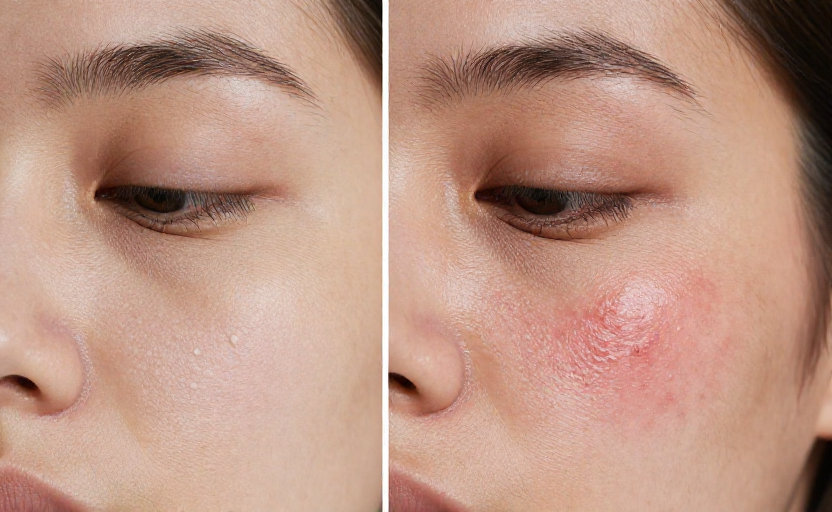
Purging typically shows up as small, white-tipped pimples or blackheads in the areas where you normally break out—your chin, jawline, or forehead. A retinoid reaction, on the other hand, often produces painful, cystic lesions in places you rarely break out, like your cheeks, temples, or neck. These cysts feel hard, tender, and may not come to a head. If your breakouts feel like they're moving to new territory and they hurt to touch, your skin is likely reacting to the ingredient itself, not just speeding up a natural cycle.
2. Yellowish Crust or Oozing (Weeping)
Retinoid irritation can progress to what dermatologists call "weeping dermatitis." This looks like tiny, moist blisters or patches of skin that ooze a clear or yellowish fluid and then form a thin crust. It is not normal retinoid flaking. This indicates that the barrier has been breached and inflammation is severe. If you see any wetness or crusting—especially around the nose, mouth, or eyes—stop the retinoid immediately and focus on barrier repair with a simple, fragrance-free moisturizer and a zinc-based ointment if needed.
3. Intense, Persistent Stinging That Lasts Hours
When you first apply a retinoid, a mild, transient tingle can be normal as the product absorbs. But if that tingle turns into a burning sensation that lasts for an hour or more—or that persists throughout the day—you are past normal adaptation. A 2023 survey of retinoid users found that 78% of those who experienced lasting stinging actually had impaired barrier function, not simple purging. Test this: if your skin still stings when you apply a basic moisturizer or even water the next morning, your barrier is compromised and the retinoid is overstaying its welcome.
4. Textured, Sandpaper-Like Roughness That Won't Go Away
Some flaking is expected, but a reaction often produces a distinctive, sandpaper-like texture across large areas of the face, rather than small, localized flakes. This is called "retinoid dermatitis." It feels rough, looks uniformly shiny, and often accompanies a red, angry hue. True purging tends to be spotty—concentrated around active pores—while a reaction creates a broad, blanket-like texture change. If your entire forehead or both cheeks feel like coarse parchment after two or three weeks, you're reacting, not purging.
5. Swelling or Blistering Around the Eyes, Lips, and Nose
Retinoids migrate through the skin. Even if you avoid applying them near the eye area, the product can travel up to two inches from the application site. The thin skin around the eyes, the corners of the lips, and the nasal creases are prime spots for a reaction. Swelling—even subtle puffiness—in these areas is a red flag. A purge never causes swelling. Neither does it cause blistering. If you see any puffiness, scaly patches, or tiny fluid-filled blisters near your orbital bone, you are dealing with chemical irritation that requires you to stop the product and apply a barrier-repair balm.
What to Do If You Suspect a Reaction
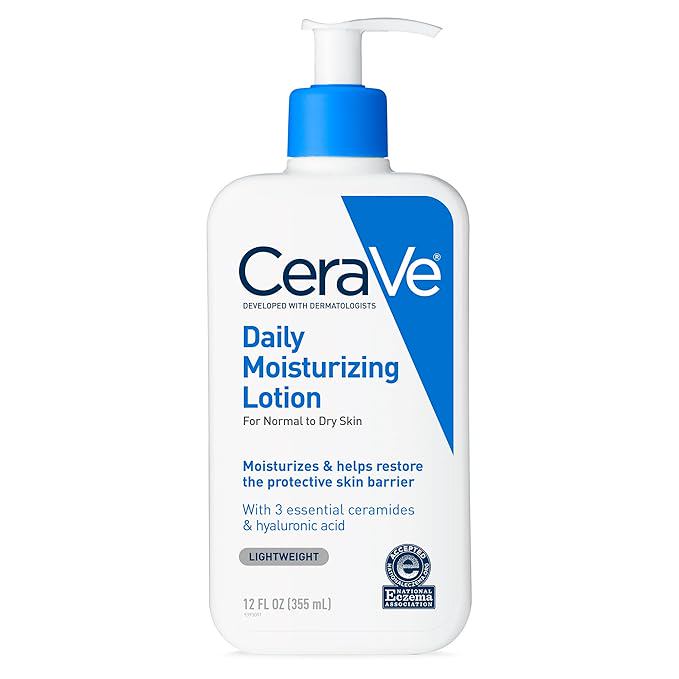
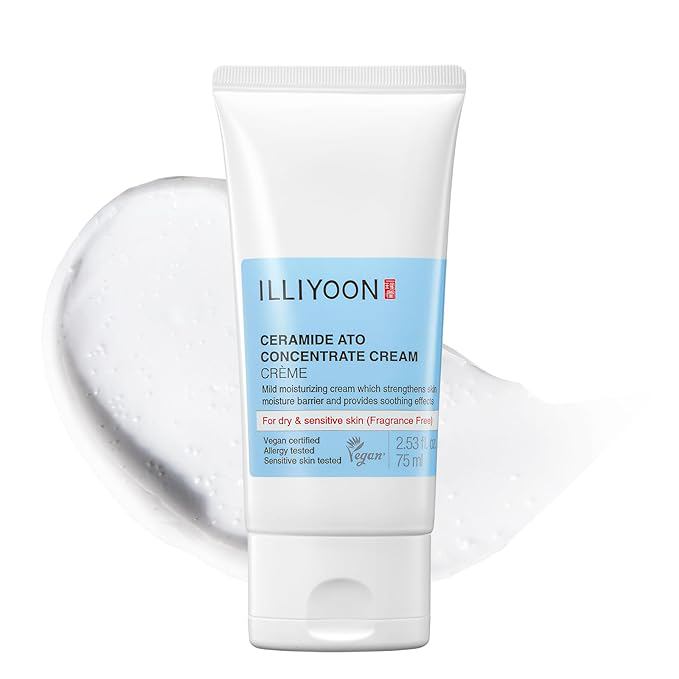
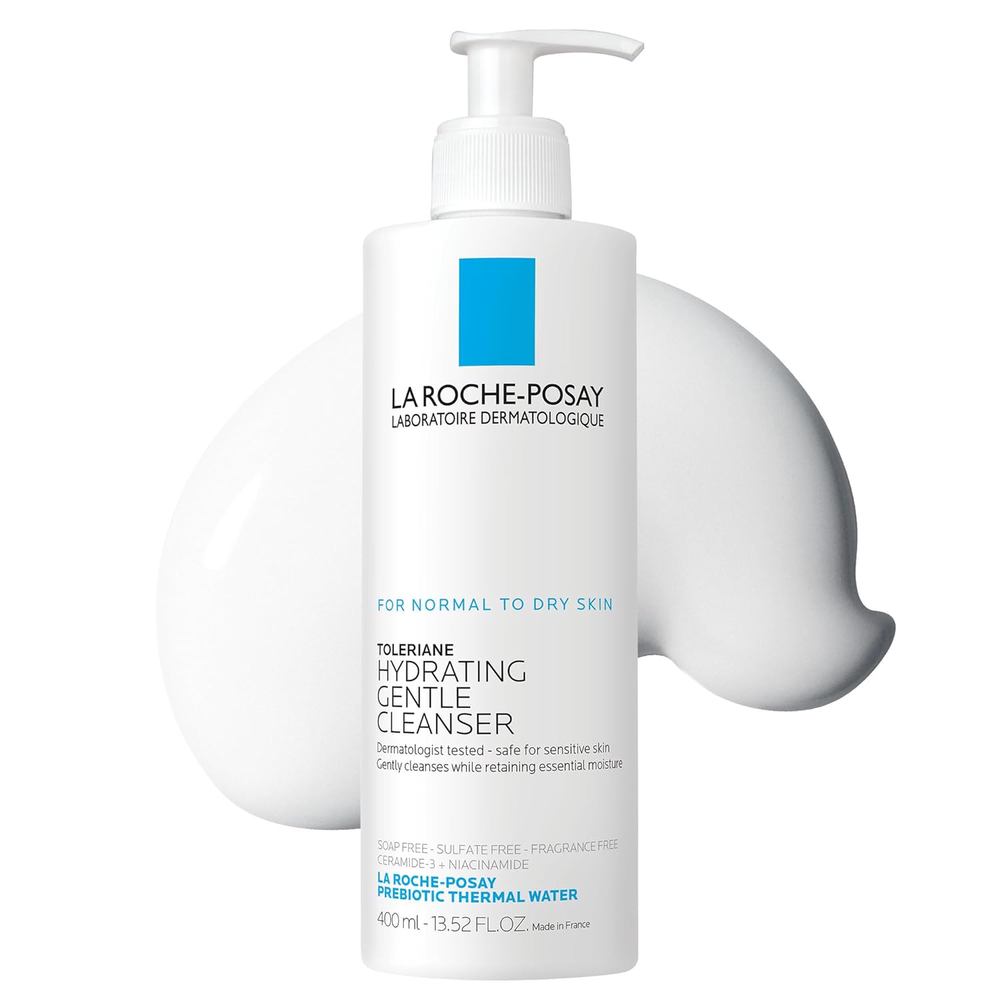
If you confirm any of these signs, pause the retinoid for at least three to five days. During that break, use only water to cleanse (or a gentle, non-foaming cleanser), followed by a rich moisturizer with ceramides or squalane. Once the redness and texture settle, you can reintroduce the retinoid at a lower frequency—maybe once every three nights—and always over a moisturizer (the "sandwich" method). If symptoms return, consider a weaker over-the-counter retinoid like retinaldehyde or switch to a bakuchiol-based alternative. And always, for any blistering or swelling that feels severe, consult a dermatologist.