Retinoids are one of the most dermatologist-backed ingredients for improving skin texture, fading fine lines, and clearing breakouts. But they come with a well-known catch: redness, peeling, and irritation. According to dermatologists, most of that discomfort isn't inevitable—it's the result of two specific mistakes people make when incorporating retinoids into their routines.
The good news is that once you recognize these missteps, you can adjust your approach and still get the long-term benefits of retinoids without the angry, flaky skin. Here is what experts want you to stop doing immediately.
Mistake 1: Applying retinol on damp or wet skin
Retinoids are potent compounds. When you apply them to damp skin, you dramatically increase their absorption—and not in a good way. Moisture helps the ingredient penetrate deeper and faster than intended, which often leads to excessive irritation, redness, and peeling.
Dermatologists stress that retinol or prescription retinoids should always go onto completely dry skin. After washing your face, wait at least 20 to 30 minutes before applying your retinoid. This gives the skin's moisture barrier time to settle. Applying it on damp skin is essentially like turning up the concentration, and most people's skin simply cannot handle that level of exposure, especially when they're starting out.
The fix: After cleansing, pat your face dry and go do something else for half an hour. Brush your teeth, put on your pajamas, read a few pages of a book. Then come back and apply your retinoid. That small waiting period makes a meaningful difference in how your skin tolerates the ingredient.
Mistake 2: Using too much product too often
More is not better with retinoids. A pea-sized amount is enough for your entire face. Applying more than that does not speed up results; it only increases the likelihood of irritation, peeling, and redness.
Frequency is another common pitfall. Many people launch into nightly usage right away because they want faster results. Dermatologists call this the fastest route to a damaged skin barrier. Retinoids work by accelerating cell turnover, and your skin needs time to adapt to that process. Starting too strong or too often overwhelms the skin, leading to the very redness and flaking that you are trying to avoid.
The fix: Start with once or twice a week for the first two to three weeks. If your skin tolerates that without significant irritation, increase to every other night. Only after several weeks of consistent, irritation-free use should you consider nightly application. And always stick to that pea-sized amount—no exceptions.
How to calm redness and peeling when they happen
If you have already made these mistakes and your skin is feeling raw, peeling, or red, do not panic. The priority is to stop everything and focus on barrier repair.
- Take a break from all actives. Stop retinoids, exfoliants, vitamin C, and anything with a strong active ingredient. Give your skin at least three to five days of rest.
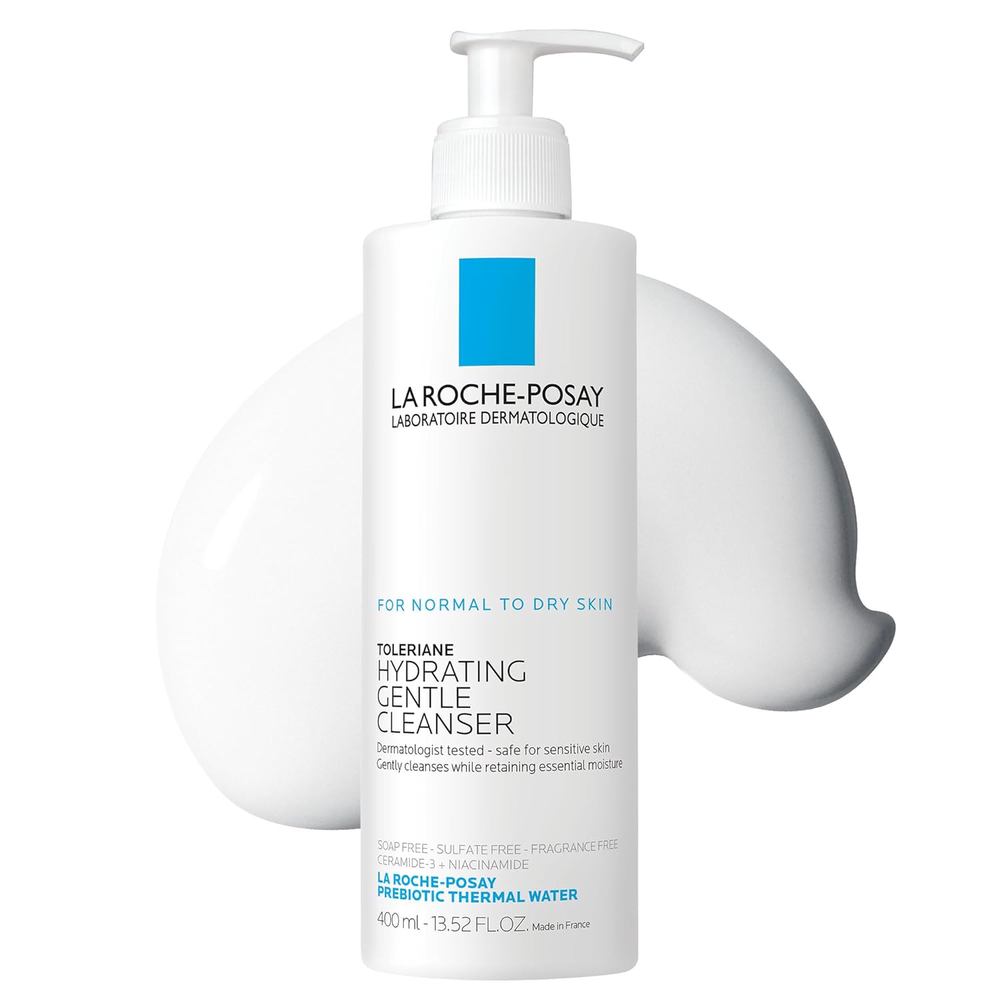
- Use a gentle, fragrance-free cleanser. Look for milk or cream cleansers that do not foam aggressively. Foaming agents can strip already compromised skin.
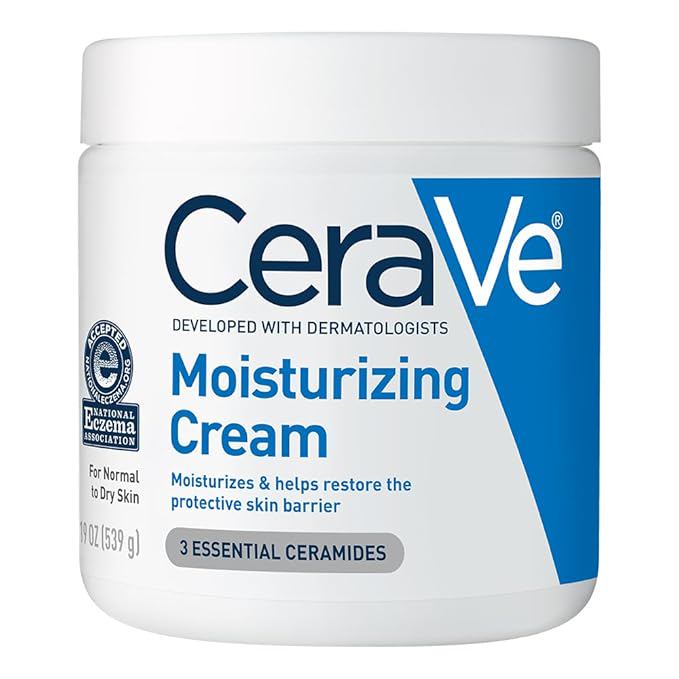
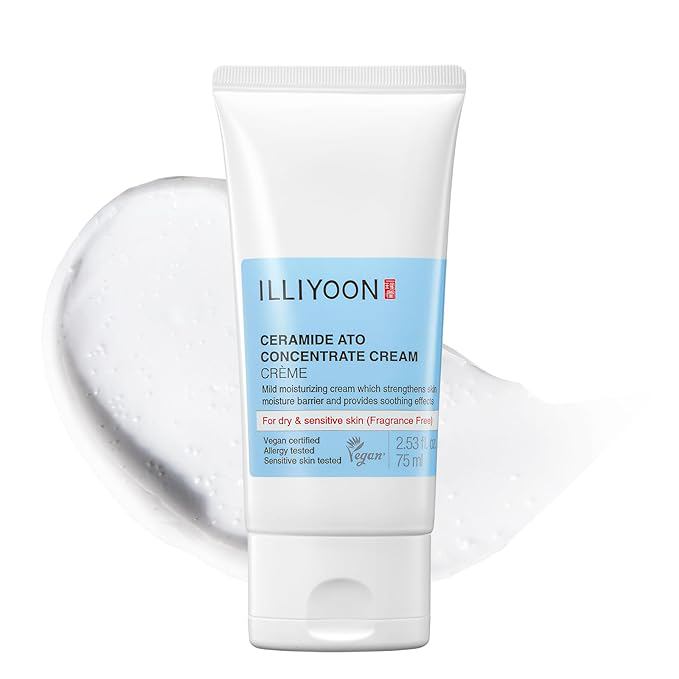
- Apply a barrier repair moisturizer. Products containing ceramides, niacinamide, and fatty acids help restore the lipid barrier that retinoids can disrupt. Apply it to damp skin, then seal it in with a thin layer of petroleum jelly or a similar occlusive balm on the driest spots.
- Skip the extra steps. Do not layer serums, toners, or masks on irritated skin. Simplicity is your friend until the redness and peeling subside.
One rule dermatologists repeat often: If your skin is red, peeling, or stinging when you apply moisturizer, you have pushed too far. Back off and let your skin recover before resuming retinoids at a lower frequency.
Building a smarter retinoid routine
The goal is not to avoid retinoids entirely—it is to use them in a way that your skin can actually tolerate. Here is a dermatologist-approved framework for getting results without the misery.
Start low and slow
Begin with a low-strength over-the-counter retinol, such as 0.25% or 0.3%. Use it once a week for two weeks, then twice a week for two weeks, then every other night. Only move to a higher strength if your skin has been calm for a month at the current level.
Use the sandwich method
Apply your moisturizer first, then the retinoid, then another layer of moisturizer on top. This buffers the retinoid, reducing irritation without stopping it from working. Many dermatologists recommend this for anyone with sensitive skin or anyone who is new to retinoids.
Pay attention to other products
Benzoyl peroxide, salicylic acid, and other exfoliating acids can compound retinoid irritation. On nights you use retinoids, skip those other actives. On your off nights, you can use gentler alternatives if needed, but many people find that their skin does best with nothing but moisturizer on rest nights.
When to see a dermatologist
Redness and peeling that lasts more than a week after stopping retinoids, or that is accompanied by swelling, oozing, or painful blisters, is not normal irritation. It may be contact dermatitis or an allergic reaction. A dermatologist can assess your skin, recommend a soothing treatment, and help you find a retinoid formulation that your skin can actually handle.