
You’ve noticed a few dark spots on your face, chest, or arms. Maybe you’ve been trying a brightening serum or a spot-fading cream, but nothing seems to change the color. Before you buy another treatment, it’s worth asking: are these dark spots something deeper, or are they post-inflammatory marks (PIH) that need a different approach?
Post-inflammatory hyperpigmentation (PIH) is incredibly common, especially after acne, a rash, or even a minor scrape. The good news? It’s not a scar in the traditional sense, and you can absolutely support your skin’s natural fading process. Here are three clear signs that your dark spots are PIH — plus what you can do about them.
1. The spot appeared after a pimple, bug bite, or minor injury
The most telling sign of a post-inflammatory mark is its origin story. If you can trace a dark spot back to a specific event — a zit you picked at, a patch of eczema that flared up, a cut that healed — you are almost certainly dealing with PIH. This happens because inflammation triggers an overproduction of melanin in the affected area. The spot flattens, heals, and then leaves behind a flat patch of color.
In contrast, age spots (solar lentigines) usually develop gradually from cumulative sun exposure and don’t follow a pimple or wound. Sunspots also tend to appear in clusters on areas that get the most UV exposure, like the face, shoulders, and hands. If the timing and location match a past breakout or injury, it’s a strong signal that you have PIH, not a permanent scar or freckle.
2. The color changes over time (often from red to brown)
PIH has a very distinct life cycle. In the early days, the mark might look pink, red, or purple — especially if you have a lighter skin tone. Over weeks, that hue often shifts to a brown, gray, or even bluish color, especially in deeper skin tones (Fitzpatrick IV–VI). This color change is a hallmark inflammation is fading, but the pigment remains.
A true mole or lentigo doesn’t change color from pink to brown on its own. If you see that tonal transition happening, it’s a good indicator that you’re looking at post-inflammatory pigmentation, not a structural mole or sun spot. This also means the spot is still active — it can still respond well to gentle, consistent care.
3. The edges are uneven and the spot itself is flat
PIH marks have a slightly irregular, feathered edge — they aren’t perfectly round with a sharp border like a freckle or a café-au-lait spot. They also tend to be completely flat to the touch. If you run your finger over the dark area and feel no texture — no raised bump, no rough patch — that’s a good sign it’s a pigment issue, not a scar or a keratosis.
If the spot has suddenly changed shape, become raised, or started bleeding, those are red flags that warrant a visit to a dermatologist. But for typical PIH, the flat, irregular appearance is reassuring: it means the top layers of skin are holding excess melanin, and they can shed over time with the right routine.
What to do about post-inflammatory hyperpigmentation
If you’ve recognized these signs in your own skin, don’t worry — PIH is treatable, but it requires patience and the right approach. Here are steps that help support the fading process.
Start with sun protection — every single day
UV light stimulates melanocytes to produce more pigment, which will darken existing PIH and slow down any fading you might see. Use a broad-spectrum sunscreen with at least SPF 30 every morning, even if you’re only driving to work or sitting by a window. Mineral sunscreens containing zinc oxide or titanium dioxide are especially helpful because they sit on top of the skin and reflect UV rays before they reach the pigment.
Add a gentle brightening ingredient — but don’t overdo it
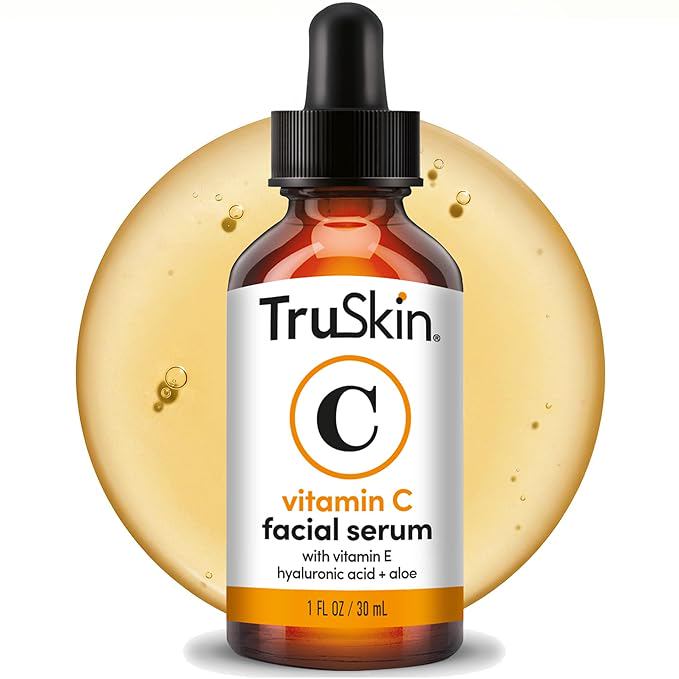
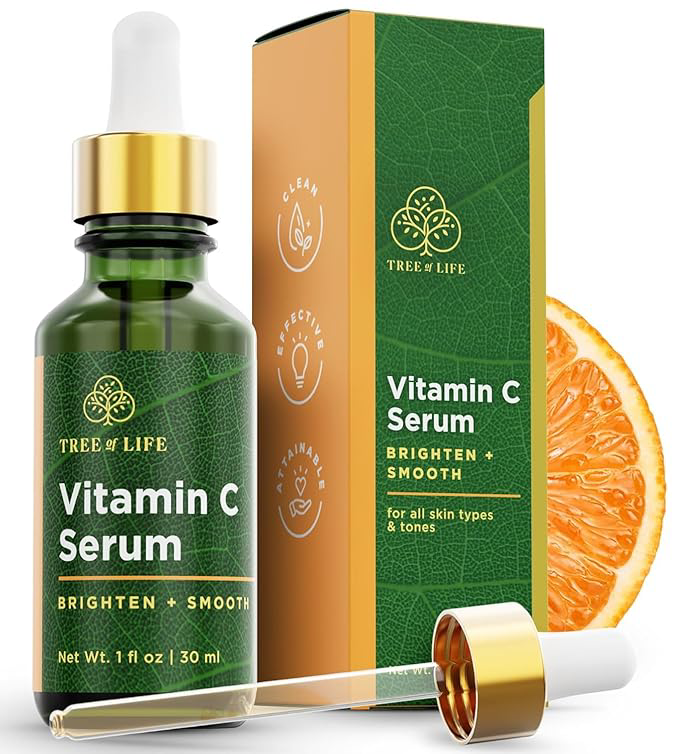
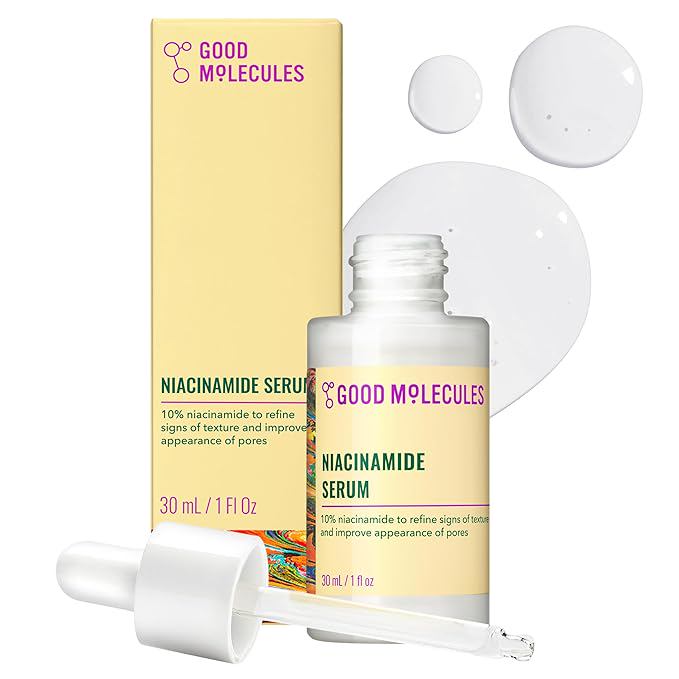
The goal is to slow down melanin production and encourage cell turnover without irritating the skin. Vitamin C (L-ascorbic acid) in the morning is a great first-layer antioxidant that can help fade marks over weeks to months. Niacinamide is another well-tolerated option that works well for sensitive skin. At night, consider a retinoid (like adapalene or a low-concentration retinol) to speed up skin cell turnover. Start with twice a week to avoid irritation — inflammation will only make the marks worse.
A note on lightening creams: Avoid any product containing hydroquinone without a doctor’s supervision. Many over-the-counter “skin lighteners” contain unsafe ingredients or too high a concentration, leading to rebound pigmentation or ochronosis.
Exfoliate gently — no harsh scrubs
Physical scrubs with large particles (like walnut shells or crushed apricot pits) can create micro-tears in the skin and trigger more inflammation — which means more PIH. Instead, use a chemical exfoliant like lactic acid or glycolic acid at a low concentration (around 5–10%) once or twice a week. These AHAs dissolve the bonds between dead, pigmented surface cells, allowing them to shed naturally. If your skin is very sensitive, start with once every ten days.
Consider in-office treatments — if fading stalls
If you’ve been consistent with sun protection and topicals for 8–12 weeks and haven’t seen much improvement, a dermatologist may recommend a series of chemical peels, microneedling, or a specific type of laser called a Q-switched laser. These treatments target pigment deeper in the skin and can offer faster results, but they aren’t for everyone. Always have a consultation first to determine if your skin type and condition are appropriate.
When to see a dermatologist
Most PIH fades on its own over 6 to 12 months, but if the spot stays the same color for longer than a year or it starts to feel raised, itchy, or changes shape, have a board-certified dermatologist take a look. They can use a dermatoscope to confirm it’s just pigment and rule out something more serious.