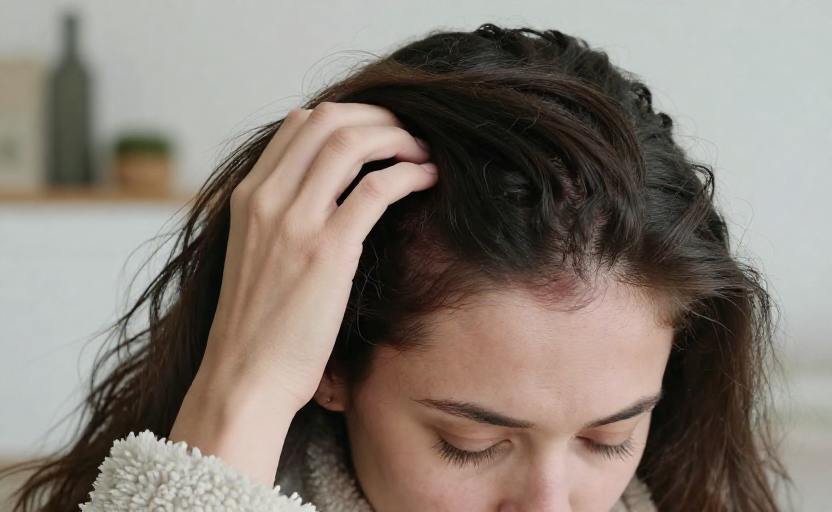
Many people assume that a tight, itchy, or flaky scalp in colder months is simply dryness. But scalp discomfort can also signal a sensitivity reaction—something distinct from the temporary effects of dry winter air. Understanding which one you’re dealing with matters because the solutions are not the same. Treating a sensitive scalp as if it were only dry can sometimes make things worse.
Here are three symptoms that reliably separate a sensitive scalp reaction from ordinary dryness. If you recognize these signs, it may be time to adjust your routine rather than just reach for a heavier conditioner.
1. Burning or stinging that persist after washing
A dry scalp often feels tight or mildly itchy, especially after exposure to wind or indoor heating. A sensitive scalp, on the other hand, may produce a distinct burning or stinging sensation—and it tends to flare up in response to specific products. If your scalp stings when you apply a shampoo, conditioner, or styling product, that is a red flag. True dryness does not typically cause a sharp, prickly feeling on contact. This type of reaction suggests your skin barrier has become irritated by an ingredient, such as fragrance, sulfates, or certain preservatives.
The quick check: If you rinse with a gentle, fragrance-free cleanser and the stinging subsides by the next wash, sensitivity is the more likely culprit.
2. Visible redness or inflammation along the hairline
Ordinary dry skin on the scalp usually appears as small, white flakes without much color change. A sensitive scalp reaction often brings visible redness, slight swelling, or patches of inflamed skin—particularly along the hairline, behind the ears, or at the crown. This is a sign that your immune system has mounted a mild inflammatory response to a trigger. Where dryness feels surface-level, sensitivity involves the deeper layers of the skin. If your scalp looks pink or blotchy after using a new product, that is not simple moisture loss; it is irritation.
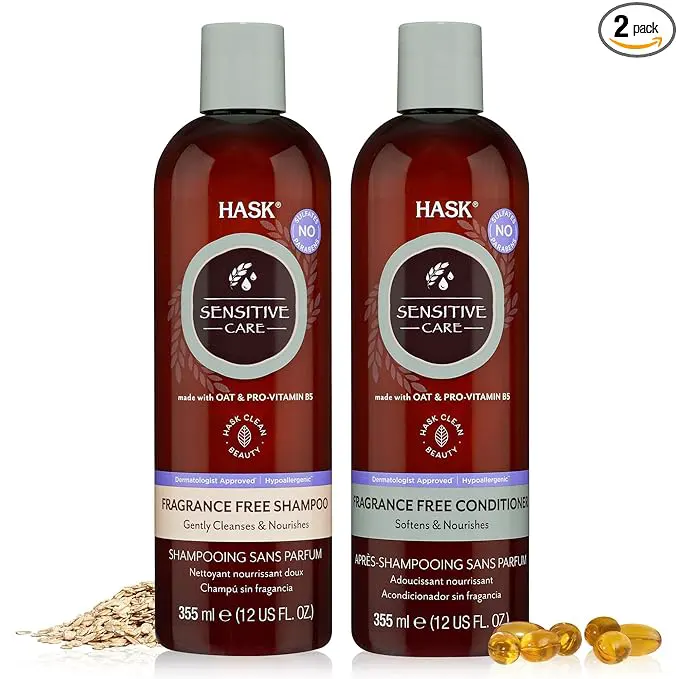
Common triggers for this type of reaction include essential oils, alcohol-based styling products, and even the dyes in some commercial shampoos. Switching to hypoallergenic or dermatologist-tested formulations often calms the redness within a few days.
3. Itching that worsens with heat or perspiration
Both dry and sensitive scalps can itch, but the pattern differs. Dry-scalp itch tends to feel constant and improves briefly after moisturizing. Sensitivity-related itching often intensifies with heat—during a hot shower, exercise, or even when you put on a hat. The reason is that heat dilates blood vessels and can amplify the release of histamine-like compounds in irritated skin. If your scalp feels fine in a cool room but starts to prickle or burn as soon as you warm up, that is a hallmark of sensitivity, not ordinary dryness.
This also explains why over-shampooing can backfire: stripping the scalp’s natural oils with harsh cleansers removes protective lipids, making the skin more reactive to temperature changes and friction. A scalp that is merely dry needs more moisture; a sensitive scalp needs barrier repair and trigger avoidance.
How to care for a sensitive scalp vs. a dry scalp
Because the root causes differ, the approach should too.
- For dryness alone: Reduce wash frequency to once or twice a week. Use a mild shampoo and follow with a conditioner that contains moisturizing ingredients like cetyl alcohol or cetearyl alcohol. A weekly oil massage (coconut, almond, or argan oil) left on overnight can help restore moisture.
- For a sensitive scalp: Avoid oils and products that contain fragrance, essential oils, or alcohol. Stick to ultra-gentle, non-stripping cleansers. Focus on barrier-supporting ingredients such as panthenol, niacinamide, or colloidal oatmeal. Heat styling should be kept to a minimum, and always use a heat-protectant designed for reactive skin.
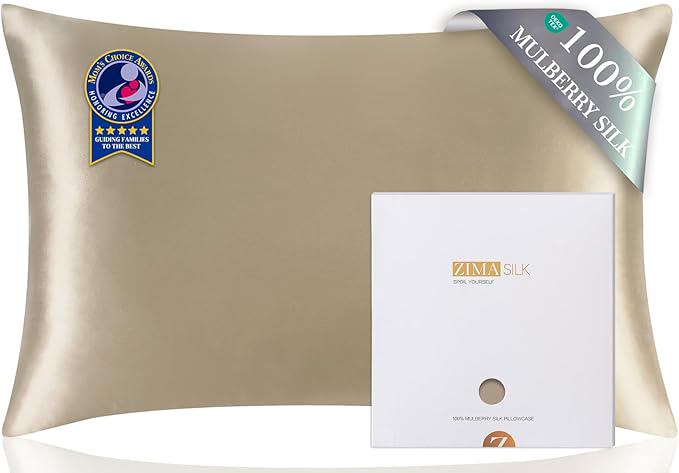
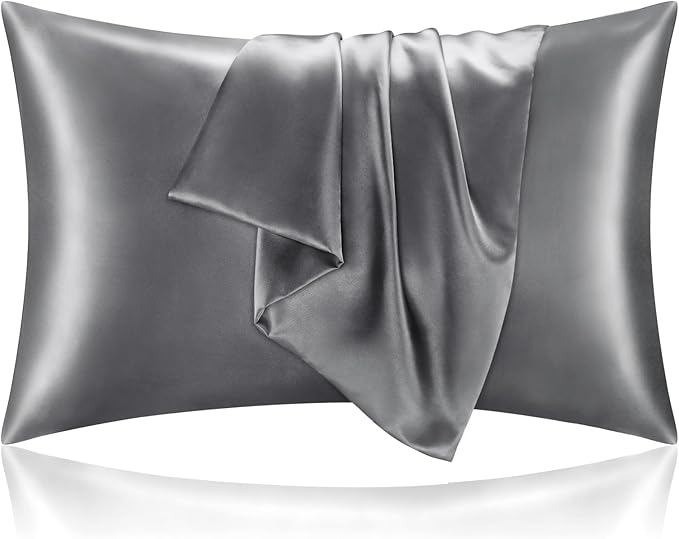
- For both: Stay hydrated, comb with a wide-tooth tool from mid-length downward, and sleep on a silk pillowcase to reduce friction and static.
If symptoms persist beyond two weeks despite these adjustments—especially if you notice oozing, crusting, or hair loss—consult a dermatologist. Persistent scalp inflammation can sometimes point to conditions like seborrheic dermatitis or psoriasis that require medical diagnosis.