
You already know that sunscreen is non-negotiable for healthy skin, but what you eat can also play a supporting role in how well your skin tolerates the sun. Certain foods contain nutrients that help protect skin cells from UV damage from the inside out. While no snack replaces a broad-spectrum SPF, adding a few dietitian-approved options to your day can give your skin an extra layer of defense.
These four snacks are packed with antioxidants, healthy fats, and specific vitamins that research suggests may help reduce oxidative stress from sun exposure and even support your sunscreen's ability to do its job.
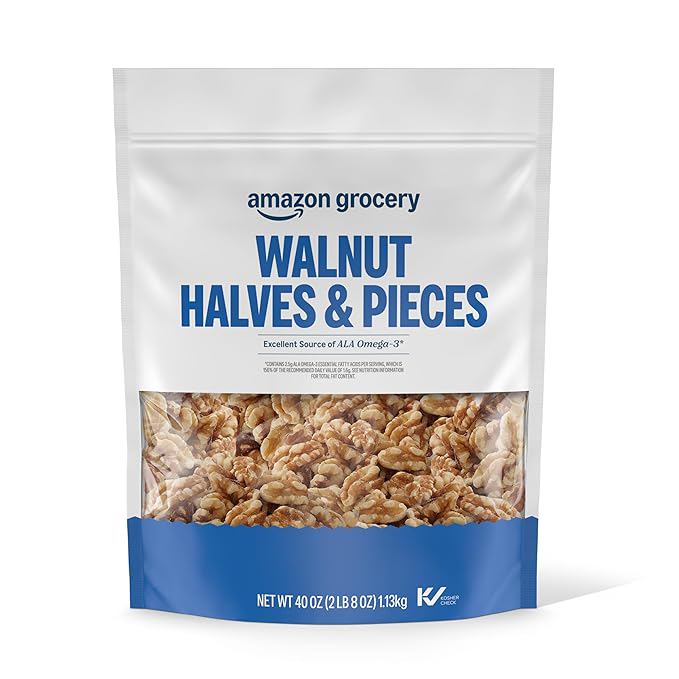
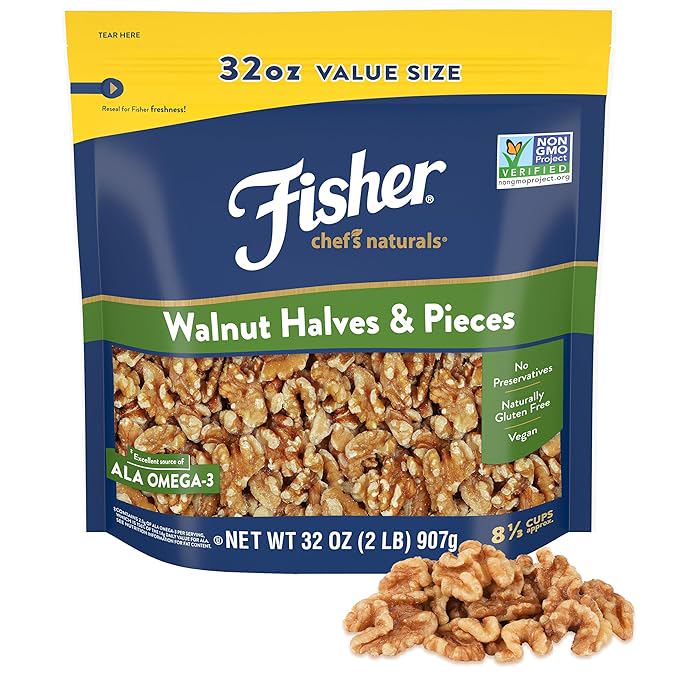
1. A handful of walnuts
Walnuts are one of the richest plant sources of omega-3 fatty acids, specifically alpha-linolenic acid (ALA). Omega-3s are known for their anti-inflammatory properties, and a diet rich in these fats may help reduce the skin's sensitivity to UV rays. Walnuts also provide vitamin E and polyphenols, both of which act as antioxidants that neutralize free radicals generated by sun exposure. A small handful makes for a portable, satisfying snack that works well on its own or paired with an apple for extra fiber.
2. Watermelon with a pinch of sea salt
Watermelon isn't just a hydrating summer fruit—it's also a concentrated source of lycopene. This powerful antioxidant is what gives watermelon its red color, and studies have indicated that regular intake of lycopene may help protect the skin from UV damage by reducing inflammation and oxidative stress. Enjoy a bowl of cubed watermelon with a light sprinkle of sea salt to balance electrolytes, especially on hot days when you're spending time outdoors.
3. Greek yogurt with berries
Greek yogurt is rich in protein and, when fortified, often contains vitamin D, which plays a role in skin repair and immune function. Pair it with a handful of blueberries or strawberries to add anthocyanins and ellagic acid—compounds that have been shown to help protect skin cells from UV-induced damage. This combination also delivers zinc, a mineral that supports skin integrity and may help reduce the severity of sunburn when consumed as part of a balanced diet.
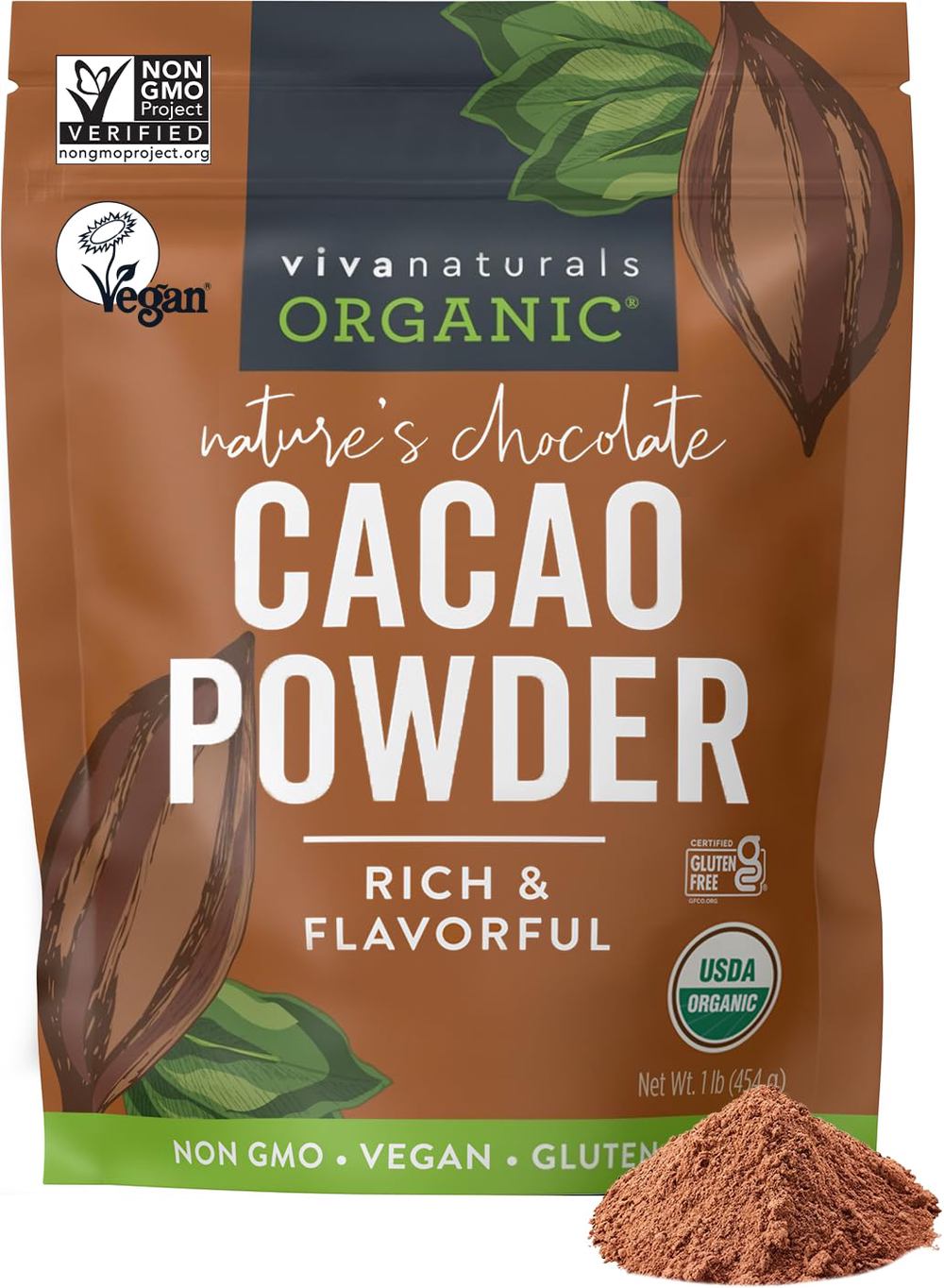
4. Dark chocolate (70% cacao or higher)
Flavonoid-rich dark chocolate is more than a treat. Cocoa flavanols have been linked to improved blood flow to the skin, increased skin hydration, and better resistance to UV rays. A small square or two of high-cacao dark chocolate each day can contribute to your skin's photoprotection, though it's important to keep portions modest since chocolate is calorie-dense. Look for bars with minimal added sugar to maximize the benefits.
Think of these snacks as helpers, not replacements. Sunscreen remains your primary defense, but a diet rich in colorful produce, healthy fats, and certain antioxidants can help your skin put up a stronger fight against environmental stressors.
How these snacks work alongside sunscreen
Your skin is your body's largest organ, and it needs nutrients from the inside just as much as protection from the outside. The antioxidants and healthy fats found in these foods can help reduce inflammatory responses to UV exposure, support collagen synthesis, and maintain the skin's barrier function. Over time, consistent intake of these nutrients may help your skin recover more quickly from sun exposure and better maintain its natural resilience.
Pairing a nutritious diet with daily sunscreen use, protective clothing, and seeking shade during peak UV hours creates a comprehensive sun-care routine that goes beyond the surface.