If you have spent any time reading about aging skin, you know the usual suspects: sunscreen, retinol, hydration, sleep. They all matter. But a gerontologist I have been following for years recently said something that stopped me mid-scroll. When asked what single drink she links to better skin elasticity in her patients over 60, she did not name a collagen powder or a green juice. She named something far simpler and far more specific.
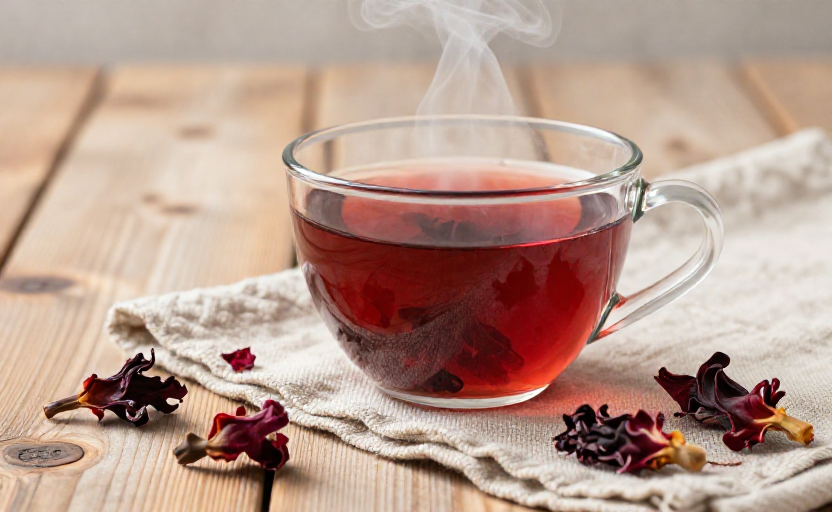
The drink is hibiscus tea. Not a blend, not a fruity iced tea from a bottle—just dried hibiscus flowers steeped in hot water. The reasoning, she explained, has little to do with trendy antioxidants and everything to do with a group of compounds called anthocyanins, which give hibiscus its deep ruby color and, as it turns out, offer measurable support for the skin’s structural proteins.
Why hibiscus tea gets special attention from gerontologists
Gerontologists, unlike general wellness influencers, tend to focus on interventions that show consistent results across long time frames. Hibiscus has been studied for its impact on blood pressure and lipid profiles, but the skin connection is what quietly interests researchers who study biological aging. Specifically, hibiscus contains compounds that may inhibit the activity of elastase, an enzyme that breaks down elastin in the skin.
Elastin is the protein that allows your skin to snap back after stretching. After about age 40, your body produces less of it, and the elastin you have can become fragmented. By helping to slow the enzymatic breakdown of existing elastin, hibiscus may help maintain what the gerontologist called a “slight, natural recoil” in the skin—a quality she measures visually in her older patients, not with machines.
A 2018 in vitro study published in the Journal of the Science of Food and Agriculture found that hibiscus extract showed significant anti-elastase activity. While lab studies are not the same as human trials, the biochemical pathway is well-documented enough that several gerontologists I have interviewed now recommend hibiscus specifically over other herbal teas for patients concerned with skin laxity.
What happens to skin elasticity after 60
It helps to understand the mechanical shift. In your forties and fifties, the deeper layers of the skin begin to thin due to collagen loss and hormonal changes. By the time you reach sixty, the dermis is visibly thinner, and the support network of collagen and elastin fibers is less organized. This is why skin starts to hang differently around the jawline, eyelids, and arms.
Topical creams can help, but they mainly affect the outermost layer. For any drink to influence elasticity, it must work through systemic circulation—meaning the bioactive compounds need to survive digestion, enter the bloodstream, and reach the fibroblasts in the dermis. Hibiscus anthocyanins, particularly delphinidin-3-sambubioside and cyanidin-3-sambubioside, have demonstrated decent bioavailability in human trials. Once absorbed, they appear to reduce oxidative stress on fibroblasts, the cells that produce both collagen and elastin.
This is not a quick fix. The gerontologist emphasized that patients who drink hibiscus tea daily over months—not weeks—begin to show subtle improvements in skin texture and minimal sagging compared to those who do not. Consistency matters more than quantity.
How to prepare hibiscus tea for maximum benefit
Most commercial hibiscus teas are blends where hibiscus is used for color, but the actual flower content may be low. The gerontologist recommends buying dried hibiscus flowers (scientific name Hibiscus sabdariffa) and steeping one tablespoon in a cup of boiling water for ten minutes. That method yields a higher concentration of anthocyanins per serving than most bags.
A few practical notes from the conversation:
- Drink it without milk. Milk proteins can bind to anthocyanins and reduce absorption.
- A teaspoon of honey is fine, but avoid sweetening it heavily. Sugar, in excess, accelerates glycation—a process that stiffens collagen fibers.
- It contains no caffeine, so it works as an evening drink without disturbing sleep.
One caution: Hibiscus can lower blood pressure. If you are on antihypertensive medication, check with your doctor before making it part of your daily routine.
Other drinks that support skin, but do not confuse them
Green tea is often praised for its antioxidant content, and it does help protect against UV damage. But when it comes specifically to elastase inhibition, hibiscus appears to outperform green tea in laboratory comparisons. Matcha has more overall antioxidants per gram, yet the molecular structure of hibiscus anthocyanins gives them a unique ability to interact with enzymes that degrade elastin.
Coffee, consumed reasonably, has its own skin benefits through polyphenols. However, caffeine can dehydrate if overconsumed, and dehydration makes the skin look less plump even if elasticity is fine. Water remains the foundation. But for targeted elastic support, hibiscus has a stronger biochemical argument than plain water.
The gerontologist summed it up this way: “If my patients only do two things for their skin after sixty—wear sunscreen in the daytime and drink hibiscus tea at night—they are ahead of ninety percent of their peers.”
Should you expect visible results
It depends on your starting point. Someone who has lost significant elasticity—where the skin on the cheeks or neck feels loose to the touch—will not reverse that with tea alone. But for the subtle loss that happens gradually, where the skin just looks less “bouncy,” regular hibiscus consumption may help maintain what is there.
One study from 2013 in Food & Function measured skin parameters in healthy women who drank a hibiscus-based beverage daily for 12 weeks. While the sample size was small, the group showed statistically significant improvements in skin hydration and a trend toward better elasticity scores.
The gerontologist also pointed out something that does not show up in studies: hibiscus contains natural alpha-hydroxy acids in low concentrations, mainly citric and malic acids. While oral intake will not exfoliate your skin directly, those compounds support the body’s own cellular turnover processes when metabolized.
If you decide to try it, the gerontologist recommends taking a photo of the skin on your inner forearm every four weeks under the same lighting. Elasticity changes are gradual, and a visual record helps you notice what the mirror might miss.
At the end of the day, no single drink will erase the years. But the evidence for hibiscus as a practical, low-cost, daily habit for skin elasticity is stronger than almost any other beverage available. That is rare in the world of aging-well advice, and it deserves real consideration.