Retinoids can do remarkable things for your skin — smoothing texture, speeding cell turnover, and helping with acne or signs of aging. But anyone who has used a prescription retinoid or a potent retinol serum knows that irritation is a real possibility. What you may not realize is that your beverage choices can either soothe or sabotage your skin during retinoid treatment.
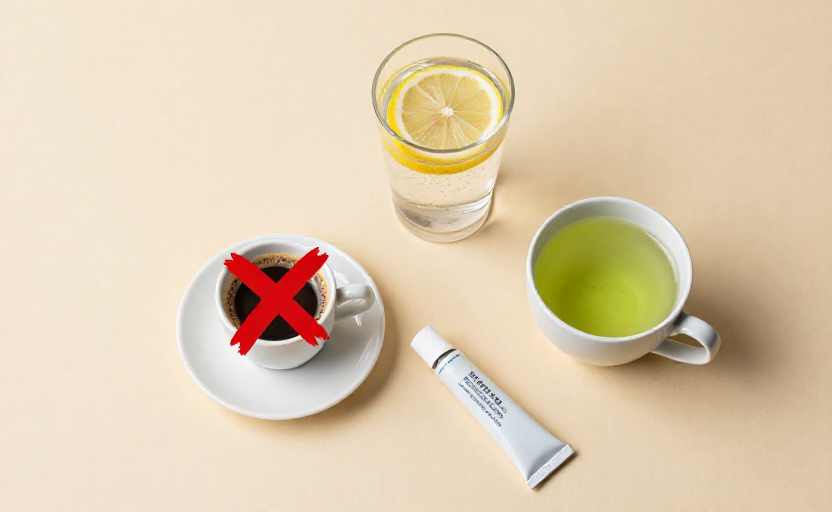
Certain drinks can amplify redness, dryness, and sensitivity, while others help your skin barrier stay calm and resilient. Below are three drinks to steer clear of when you're on retinoids, along with smart swaps that support a more comfortable experience.
Coffee and other highly caffeinated drinks
A morning cup of coffee is a daily ritual for millions of people, but when you're using retinoids, caffeine can be a double-edged sword. Caffeine is a mild diuretic, meaning it can contribute to fluid loss and dehydrate your skin. Dehydrated skin is already more prone to irritation, and retinoids magnify that tendency. Dryness, flaking, and stinging can all worsen if you're not getting enough hydration.
Additionally, caffeine can raise cortisol levels in some individuals, which may indirectly affect skin inflammation. While you don't have to quit coffee entirely, consider reducing your intake — especially if you notice increased sensitivity after your morning brew.
What to sip instead: Green tea or herbal infusions
Green tea offers a lighter caffeine lift (if you choose caffeinated varieties) along with antioxidants called catechins that help calm inflammation. If you want to avoid caffeine altogether, opt for rooibos, chamomile, or peppermint tea. These herbal options are hydrating and contain compounds that may soothe stressed skin.
Alcoholic beverages
Alcohol is notorious for dehydrating the body, and your skin feels that effect acutely when you're on retinoids. Alcohol inhibits the production of antidiuretic hormone (ADH), which leads to increased fluid loss. The result is dull, dehydrated skin that is far more reactive to the exfoliating action of retinoids. Redness, peeling, and a tight sensation are common complaints after drinking.
Alcohol can also dilate blood vessels, which may worsen facial redness and create a flushed appearance. Even moderate drinking can disrupt your skin barrier's recovery overnight, slowing the reparative work retinoids are supposed to encourage.
What to sip instead: Sparkling water with citrus or cucumber
Replace your evening glass of wine or cocktail with sparkling water infused with a slice of lemon, lime, or a few cucumber rounds. The bubbles give you the sense of a celebratory drink, while the water content replenishes what retinoids need most — hydration. You can also add a splash of pomegranate juice for color and antioxidants, without the alcohol.
Sugary sodas and sweetened beverages
High sugar intake triggers a process called glycation, where sugar molecules bind to collagen and elastin fibers, making them stiff and less functional. For someone on retinoids — where the goal is to boost collagen production and accelerate cell renewal — sugar works directly against that effort. Additionally, sugary drinks can spike insulin and promote inflammation, which may show up as increased redness or breakouts.
Diet sodas aren't a safe swap either. Artificial sweeteners can disrupt the gut microbiome, and emerging research suggests a link between gut health and skin inflammation. Your best bet is to skip both regular and diet sodas while your skin is in this sensitive phase.
What to sip instead: Coconut water or fruit-infused still water
Coconut water is naturally low in sugar (compared to juice) and packed with electrolytes that support hydration on a cellular level. If you crave a hint of sweetness, muddle a few berries or a slice of peach into still water. The natural sugars are minimal, and you'll get a dose of skin-friendly vitamins without the inflammatory load.
A quick reminder: Always introduce any new beverage — or any new skincare step — gradually. What works for one person may not work for another. Listen to your skin and adjust accordingly.
How to make hydration work with retinoids
Beyond swapping out specific drinks, your overall fluid intake matters. Retinoids increase transepidermal water loss (TEWL), meaning your skin loses water more quickly. Aim to drink water consistently throughout the day, not just when you feel thirsty. Herbal teas, water-rich fruits, and clear broths also count toward your hydration goals.
If you struggle to drink enough water, set a simple goal: one glass with each meal and a glass between meals. Avoid drinking large amounts right before bed, as that can disrupt sleep — and quality sleep is essential for skin repair.
Can you ever have these drinks while on retinoids?
Yes, but moderation is key. An occasional cup of coffee or a single glass of wine probably won't derail your entire retinoid journey, especially if you're diligent about hydration and moisturizer. However, if you notice your skin feels tight, looks redder, or stings more than usual after consuming these drinks, consider a longer break or reduce your intake further.
Your skin's tolerance can also change over time. After several months of consistent retinoid use, your skin may become more resilient, allowing you to reintroduce these beverages in small amounts. Pay attention to your body's signals and adjust accordingly.