You are careful with your hair. You avoid hot tools, sleep on a silk pillowcase, and wash with lukewarm water. Yet every time you brush, a worrying amount of hair ends up in the bristles. If your scalp already feels tender, tight, or irritated, the problem may not be your products or your health—it might be the simple act of brushing itself.
When the scalp is already inflamed, every stroke of the brush can act as a mini trauma. The combination of friction and tension on fragile strands can cause breakage that looks like hair loss but is actually mechanical damage. Here is how to recognize when brushing is doing more harm than good, and what to do instead.
What happens when you over-brush an irritated scalp
Healthy hair is elastic and resilient. But when the scalp is compromised—whether from dryness, dandruff, psoriasis, seborrheic dermatitis, or simply over-washing—the hair shaft becomes more brittle. The constant pulling of a brush against the grain, especially when hair is wet or tangled, creates micro-fractures in the cuticle. Over time, those micro-fractures widen, and the hair snaps.
This is different from shedding at the root. Breakage from over-brushing leaves short, broken strands on your pillow or in your brush, while the root remains intact. If you notice a lot of short hairs falling out, brushing technique is a likely culprit.
A good rule: if your scalp feels sore before you start brushing, switch to a gentler method for the day.
Why irritation makes hair more prone to breakage
An irritated scalp is often swollen, inflamed, or dry. This changes the environment around the hair follicle. The oil barrier that normally lubricates and protects the hair shaft can be disrupted, leaving strands dry and stiff. Without that natural slip, the brush drags rather than glides.
Additionally, inflammation can temporarily weaken the protein structure of the hair itself. Studies have shown that scalp conditions like seborrheic dermatitis are associated with lower hair tensile strength. When you add aggressive brushing on top of that, you are essentially snapping weakened fibers.
Common over-brushing mistakes to avoid
Many people believe that brushing 100 strokes a day makes hair shinier. This is a myth. In fact, excessive brushing does more harm than good, especially on a sensitive scalp. Here are the specific habits that lead to breakage:
- Brushing wet hair with a fine-tooth brush. Wet hair is up to 30 percent weaker than dry hair. Using a dense brush on wet strands causes stretching and snapping.
- Starting from the roots. If yank the brush from the top of your head downward, you pull tangles into tighter knots, forcing the bristles to tear through them.
- Using the wrong bristle type. Nylon bristles with sharp tips can scratch an already sore scalp, creating micro-abrasions that exacerbate irritation.
- Brushing too often. Brushing multiple times a day spreads sebum, which is good, but it also tugs at the hair shaft repeatedly. Once or twice a day is enough.
How to brush when your scalp is already irritated
If your scalp is red, flaky, or tender, adjust your routine until it settles down. The goal is to reduce friction while still detangling gently.
Choose the right brush
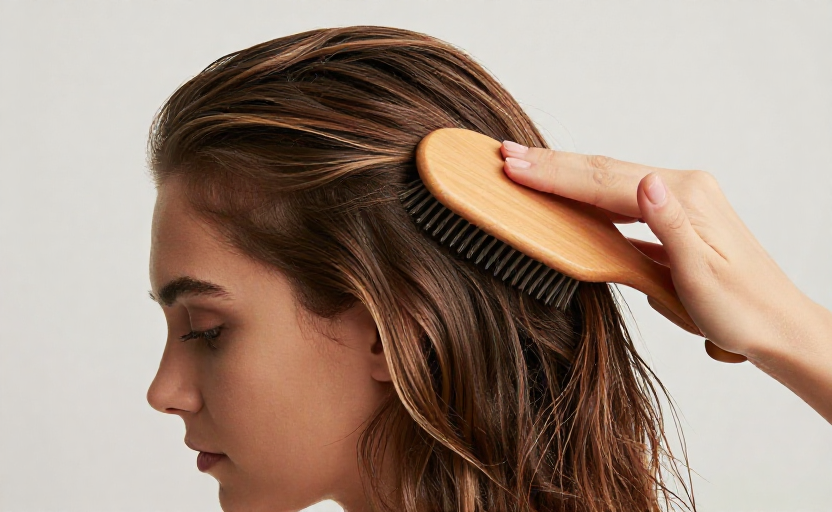
Look for a brush with boar bristles or a mix of boar and nylon. Boar bristles are softer and distribute natural oil more evenly, reducing static and tug. Avoid brushes with plastic balls on the tips—they can scrape the scalp. A wide-tooth comb is often a better choice for detangling wet hair.
Change your technique
Start brushing from the ends, working your way up. Hold the section of hair above the tangle with your free hand to take the tension off the scalp. This prevents the brush from yanking at the roots. On days when your scalp is very sore, consider finger-combing or using a detangling spray to add slip.
Reduce frequency
Unless your hair is very prone to matting, you do not need to brush more than twice a day. If your scalp is inflamed, once a day may be enough. Let your hair air-dry partially before brushing, and never pull a brush through wet knots—use a wide-tooth comb instead.
When breakage signals a deeper problem
While over-brushing can cause breakage on its own, it often compounds other issues. If you have an underlying scalp condition like psoriasis or contact dermatitis, the irritation makes your hair more fragile. In those cases, brushing less is only part of the solution. You may need a medicated shampoo or a visit to a dermatologist to calm the inflammation first.
Also, be aware that certain hormonal shifts—such as those in PCOS or during menopause—can make hair more brittle. In these situations, the scalp may not look red, but the hair itself is thinner and more prone to breakage from mechanical stress. The same brush that was fine a year ago might now be causing damage.
If you see broken hairs of varying lengths along with a tender scalp, pause your brushing routine for 48 hours and see if the soreness subsides.
Simple steps to protect your hair today
- Switch to a soft-bristle brush or a wide-tooth comb while your scalp is sensitive.
- Always detangle from the ends upward.
- Brush only when hair is dry or mostly dry.
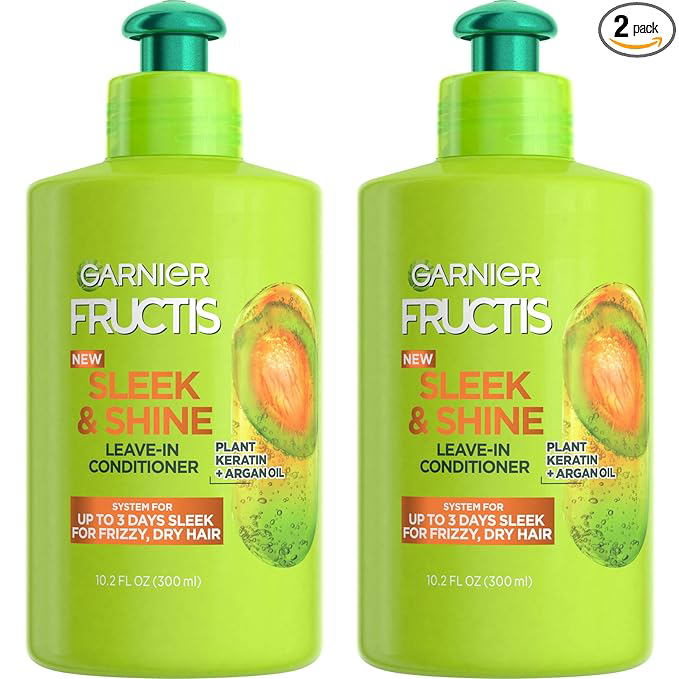
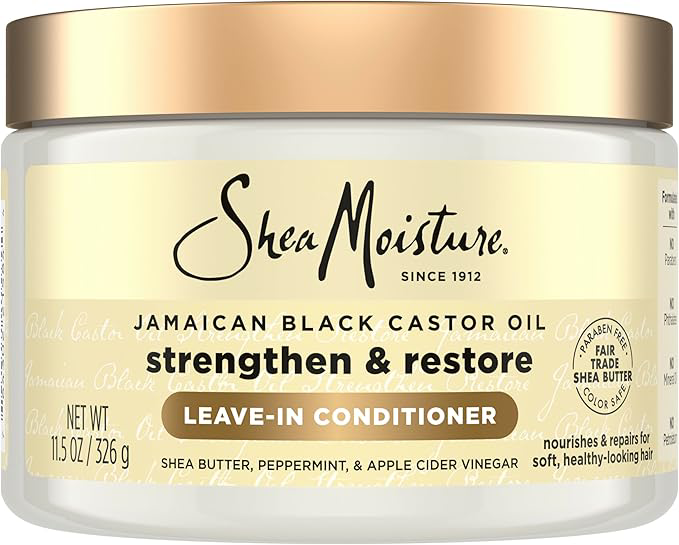
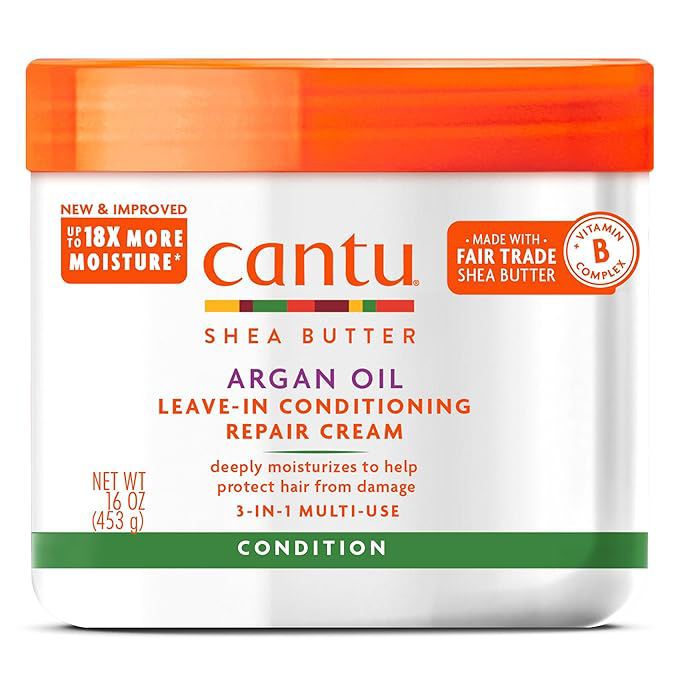
- Use a leave-in conditioner or a light oil on the ends to reduce friction.
- If your scalp is flaky or red, treat the underlying irritation before worrying about brushing technique.
Remember: your hair is most vulnerable when your scalp is not at its healthiest. By brushing with awareness, you can prevent unnecessary breakage and give your strands a real chance to grow longer and stronger.