For anyone who has dealt with adult acne, the idea that something as simple as breakfast could help calm inflamed skin is a welcome thought. While topical skincare routines often get all the credit (or blame), a growing number of dietitians point to the morning meal as a prime opportunity to support clear skin from the inside out. Instead of focusing on what to cut out—which can feel restrictive and punitive—they emphasize three specific foods to add to your plate.
These choices share a common thread: they support stable blood sugar, reduce systemic inflammation, or provide nutrients that help the skin barrier repair itself. The connection between the gut and the skin is well-documented, and breakfast is arguably the most influential meal for setting your metabolic tone for the day. Here are the three foods that registered dietitians consistently recommend for acne-prone skin, along with the science-backed reasoning behind each one.
Why Fatty Fish Makes a Difference
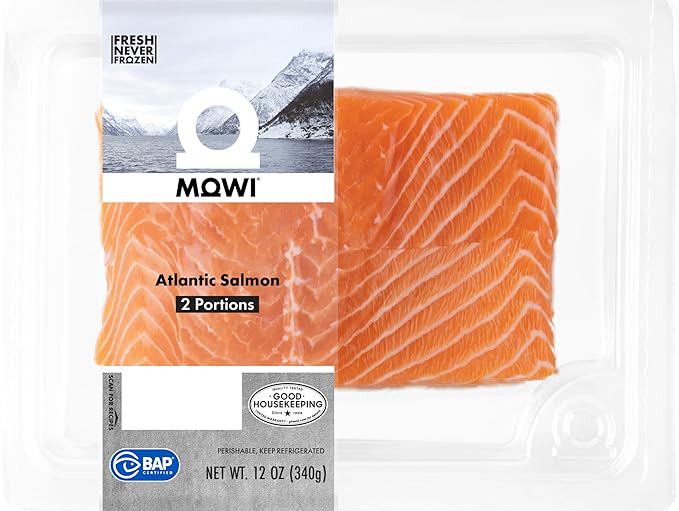
Salmon, mackerel, and sardines are rich in long-chain omega-3 fatty acids, specifically EPA (eicosapentaenoic acid). EPA is known to reduce the production of inflammatory molecules that can trigger acne lesions. For people with inflammatory acne—the red, swollen kind that feels tender—adding omega-3s to the morning meal can help dial down that response.
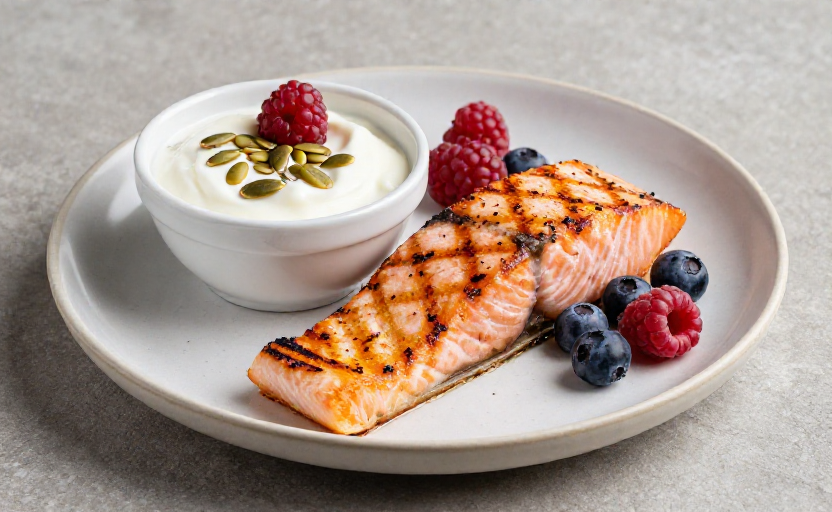
A practical way to make this work at breakfast is to incorporate smoked salmon or leftover grilled fish into a scramble or atop a slice of whole-grain toast with avocado. Dietitians recommend aiming for two to three servings of fatty fish per week. Canned sardines or mackerel are convenient, shelf-stable options that don't require morning prep. The key here is consistency, not perfection: regular intake of EPA helps keep the skin's inflammatory cascade in check.
How Fermented Foods Support Skin Health
Yogurt, kefir, sauerkraut, and kimchi are more than trendy fridge staples—they directly influence the gut microbiome, which communicates with the skin via the gut-skin axis. A balanced gut microbiome is associated with lower levels of systemic inflammation and a reduced risk of acne breakouts. The probiotics in fermented foods help maintain that balance.
Specifically, certain Lactobacillus strains have been shown in preliminary research to improve skin barrier function and reduce inflammatory markers associated with acne. For breakfast, a bowl of plain Greek yogurt or a glass of unsweetened kefir is an easy win. If dairy is a personal trigger (some individuals with acne report flares after dairy consumption), fermented vegetables like sauerkraut or kimchi served alongside eggs offer the same microbial benefit without the dairy protein. The goal is to include one serving of fermented food daily—morning is a natural fit.
A quick caution: Not all yogurts are equal. Plain, unsweetened varieties are best. Flavored yogurts often contain added sugars, which can spike blood glucose and potentially worsen acne. If you need sweetness, add fresh berries or a drizzle of honey.
The Role of Zinc-Rich Foods at Breakfast
Zinc is a mineral with well-documented anti-inflammatory and antibacterial properties. It also plays a critical role in wound healing and sebum regulation. Multiple studies have found that people with acne tend to have lower circulating zinc levels than those without. Adding zinc-rich foods to breakfast is a non-pharmacological way to support the skin's ability to heal and resist bacterial overgrowth.
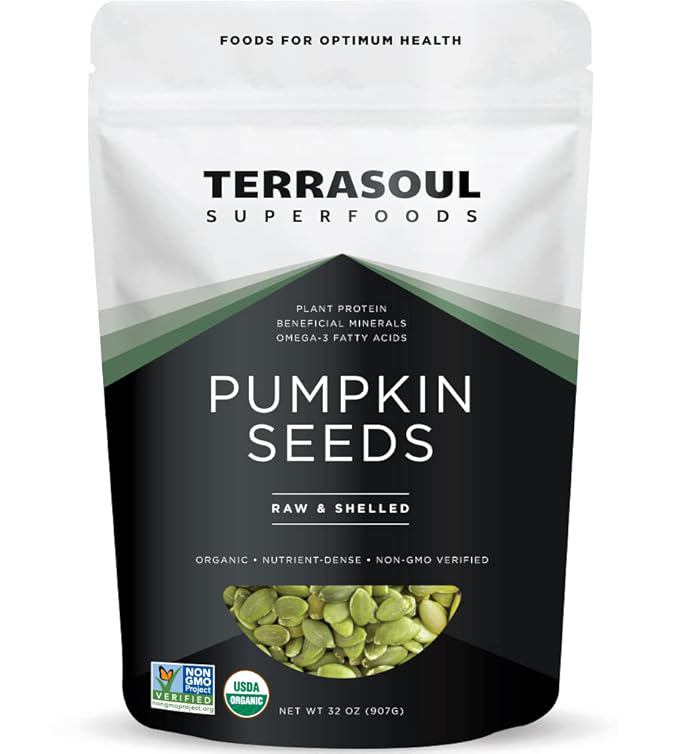
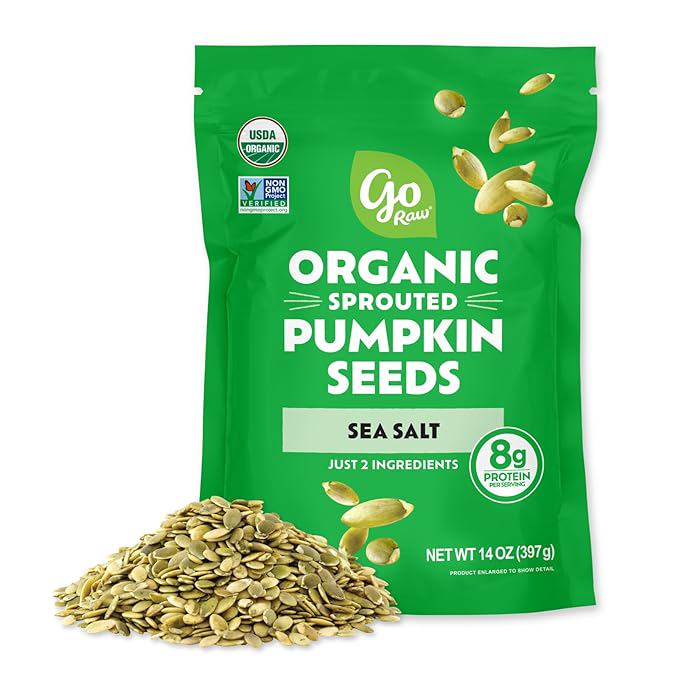
Pumpkin seeds, hemp seeds, chickpeas, and lean beef are excellent sources. For a morning meal, sprinkle toasted pumpkin seeds over oatmeal or a smoothie bowl. If you prefer an egg-based breakfast, toss in a handful of chickpeas or a small portion of leftover lean beef from the previous night. The recommended dietary allowance for zinc is roughly 8–11 mg per day for adults, and one ounce of pumpkin seeds provides about 2.2 mg.
A Note on Timing and Absorption
Zinc absorption is enhanced when consumed with protein, but inhibited by high amounts of phytates found in whole grains. That doesn't mean you should avoid oats or toast—just be aware that pairing zinc-rich seeds with vitamin C (a squeeze of lemon on greens, for instance) can improve bioavailability.
Putting It All Together: A Simple Breakfast Template
You do not need to combine all three foods every single morning. A rotating pattern works well. On Monday, have a bowl of plain Greek yogurt with pumpkin seeds and berries. On Wednesday, try scrambled eggs with smoked salmon and a side of sauerkraut. On Friday, blend kefir, spinach, and a handful of hemp seeds into a smoothie. The objective is not a rigid meal plan but a steady pattern of skin-supportive nutrients.
If you are managing active breakouts, consider also reducing added sugar and high-glycemic refined carbohydrates from your breakfast. A Danish pastry or sugary cereal can spike insulin, which in turn stimulates sebum production and inflammation. Swapping those for the foods above is a low-risk dietary shift that many dermatologists and dietitians endorse as part of a comprehensive acne management strategy.