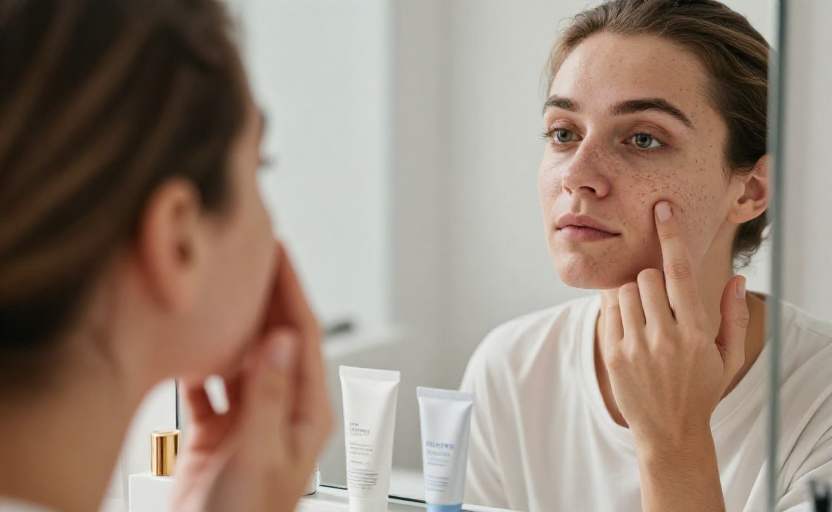
Retinoids are a dermatologist favorite for good reason—they encourage cell turnover, smooth fine lines, and help manage acne. But that early phase of use, often called the retinization period, can bring unwelcome companions: redness, flaking, tightness, and that telltale stinging when you apply your usual moisturizer. When that happens, you face a common fork in the road: does your skin need a richer moisturizer, or does it need a few days off from retinoids entirely?
Knowing which path to take isn’t always obvious. Push through when you should pause and you risk more irritation; switch moisturizers too late and you may misinterpret dryness as a sign to quit. Here’s expert-backed guidance on how to read your skin’s signals and adjust your routine accordingly.
Why Retinoids Cause Dryness in the First Place
Retinoids accelerate the rate at which your skin sheds dead cells and generates new ones. That speed comes at a cost: the skin’s outer barrier can become temporarily compromised, allowing moisture to escape more easily. This isn’t an allergic reaction; it’s a predictable phase that typically begins a few days after you start using a retinoid and can last two to six weeks, depending on your skin’s resilience, the strength of the product, and how often you apply it.
The dryness you feel is a mix of temporary barrier disruption and increased water loss. A well-chosen moisturizer can often counteract that loss, but if the barrier is already damaged, even the richest cream may sting rather than soothe.
Signs That You Need a Moisturizer Upgrade
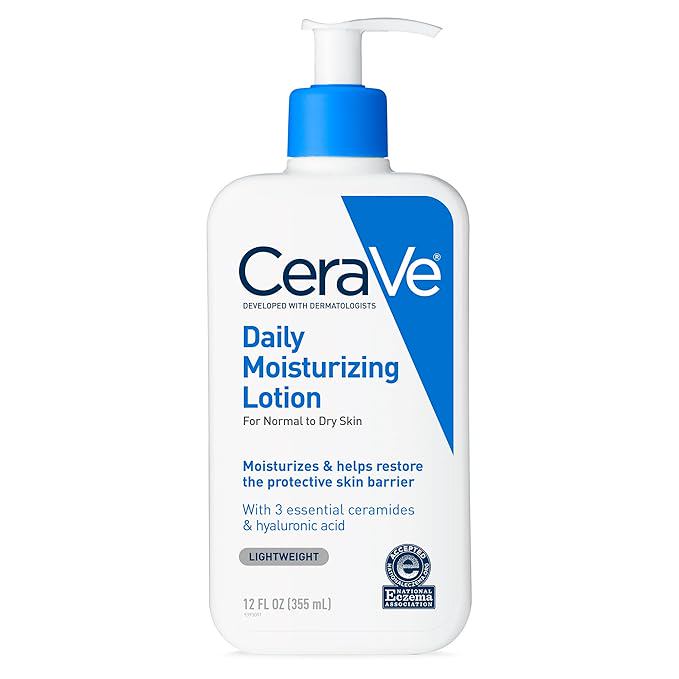
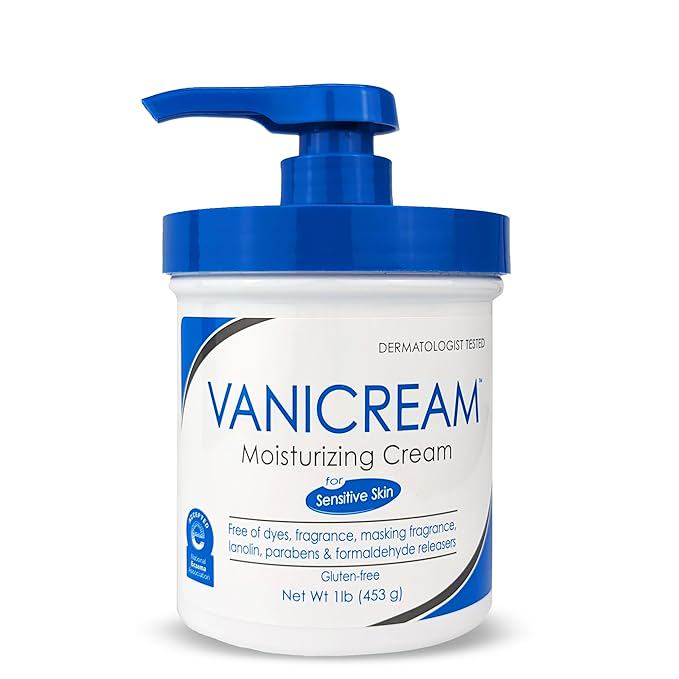
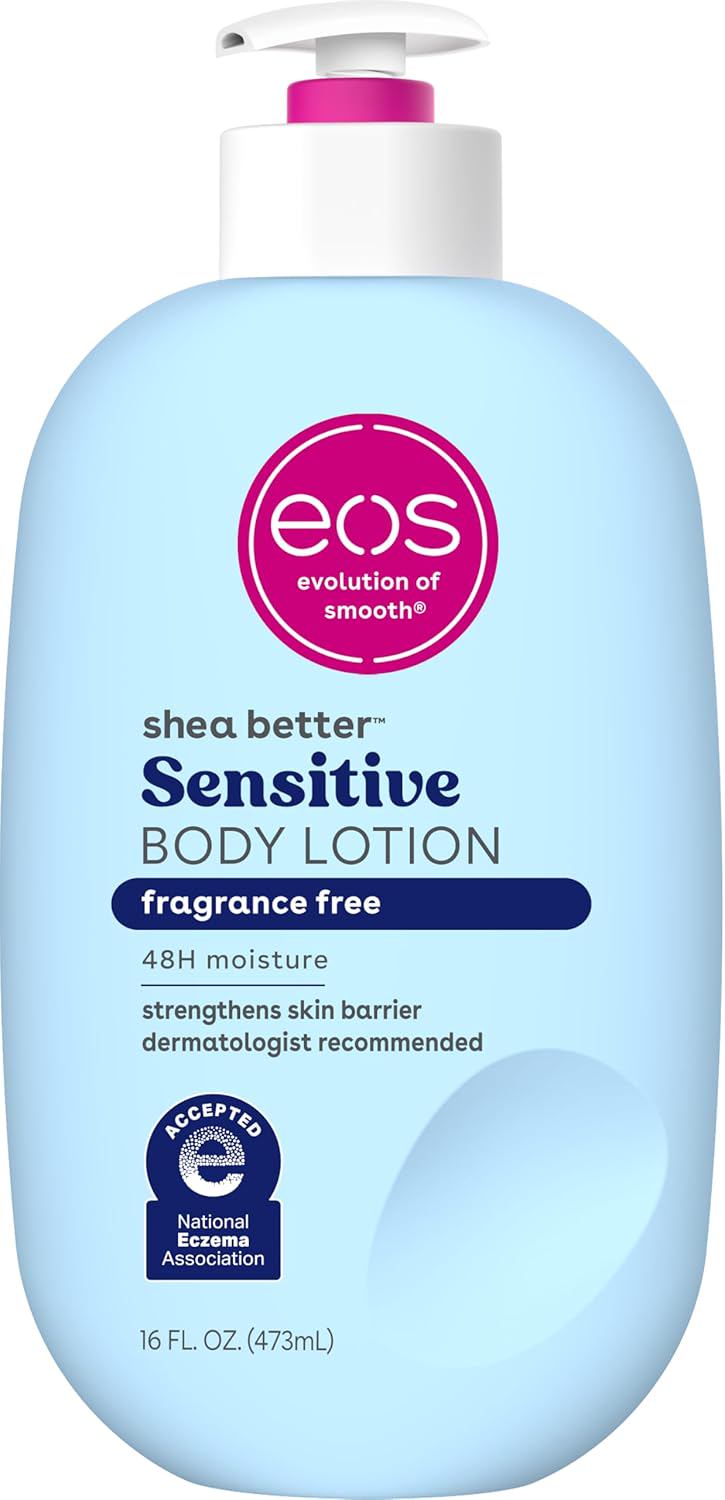
Sometimes a few small tweaks to your moisturizer are all it takes. If you’re experiencing mild flaking, slight tightness after cleansing, or a feeling that your usual lotion “sits” on top of the skin without sinking in, your moisturizer may not be occlusive or hydrating enough for this phase of your retinoid journey.
Look for a moisturizer that includes three types of ingredients:
- Humectants (like glycerin, hyaluronic acid, or panthenol) to draw water into the skin.
- Emollients (such as squalane, ceramides, or shea butter) to smooth and fill gaps between skin cells.
- Occlusives (including petrolatum, dimethicone, or mineral oil) to seal moisture in.
A common dermatologist recommendation is the “sandwich” method: apply a thin layer of moisturizer, wait a few minutes, apply your retinoid, then finish with another layer of moisturizer. This buffers the retinoid without blocking its efficacy. If your skin responds well to that technique, you likely just needed a richer moisturizer—not a break.
Signs That You Should Take a Break
Not all dryness is normal. If you notice any of the following, your skin barrier may be compromised enough that a moisturizer change won’t be enough:
- Stinging or burning when you apply any product—even your gentle cleanser or plain water.
- Red, raw, or peeling patches that feel warm to the touch.
- Tightness that persists even after you’ve applied a rich moisturizer.
- Breakouts that seem angrier than before—irritated bumps that look like a rash rather than typical acne.
When in doubt, pause for two to three nights. Let your skin recover with nothing more than a gentle cleanser and a bland, fragrance-free moisturizer. Retinoids can always be restarted, but repairing a damaged barrier takes longer than a short break.
Once the stinging subsides and your skin feels calm, reintroduce the retinoid at a lower frequency—maybe every third night instead of nightly—and at a pea-sized amount only. Some people need to stay at that lower frequency for weeks before increasing.
How to Test Where You Are on the Spectrum
A simple at-home check can help you decide. After washing your face with lukewarm water and a gentle cleanser, wait 20 minutes without applying anything. Pay attention to how your skin feels:
- If it feels tight but not painful, your moisturizer may not be hydrating enough. Try the sandwich method or switch to a cream with more occlusives.
- If it feels itchy, hot, or stings when you touch it, your barrier is likely damaged. Take two to three days off from retinoids and all active ingredients (including acids or vitamin C). Stick to a simple routine until the irritation resolves.
Another clue: if your moisturizer stings on contact, that’s a strong signal that the barrier is impaired. Moisturizers are designed to be soothing, not irritating. Stop retinoids immediately and focus on barrier repair.
Other Factors That Influence Retinoid Dryness
Retinoid tolerance is not only about the product itself. Environmental factors play a big role. Cold, dry air, wind, and indoor heating all increase transepidermal water loss. Many people find that they need a heavier moisturizer in winter and can switch back to a lighter one in summer without changing their retinoid. Seasonal shifts can cause temporary dryness that looks like retinoid irritation but is actually environmental.
Similarly, the strength and formulation matters. Prescription retinoids like tretinoin are more potent than over-the-counter retinol, and some people find that cream-based formulas are more moisturizing than gel-based ones (but also more likely to clog pores for acne-prone skin). If you’ve been on one strength for months and suddenly develop dryness, consider whether you accidentally changed products or introduced a new cleanser, serum, or exfoliant.
A Sample Decision Flow
When you feel that familiar dryness, ask yourself these three questions:
- Is my moisturizer stinging? If yes, pause retinoids for 2–3 days. If no, move to question 2.
- Is my skin flaking only in small patches that don’t hurt? Try the sandwich method or switch to a richer moisturizer.
- Am I also seeing redness, swelling, or broken skin? This is a sign of barrier compromise. Stop all actives and use only a gentle cleanser and a plain moisturizer until the skin heals, which can take 5–10 days.
Once your skin returns to its baseline tolerance, restart the retinoid at a lower frequency (every third night, for example) and slowly work your way up over several weeks. Many people find that the “buffer” method—applying moisturizer first and waiting—makes stronger formulations tolerable.
When to Talk to a Dermatologist
If you’ve tried pausing, reducing frequency, and upgrading your moisturizer but your skin remains persistently red, stinging, or broken out, it’s worth a check-in with a board-certified dermatologist. A similar irritation pattern can also be caused by contact dermatitis from another product, rosacea, or a compromised skin barrier that needs more than over-the-counter care. Persistent irritation is not a sign of weak will—it’s a sign that your skin needs a tailored approach.
In some cases, your dermatologist may suggest switching to a different retinoid formulation (like a microsphere version that releases more slowly) or a lower concentration. They can also prescribe a barrier-repair cream containing ingredients like ceramides, cholesterol, and free fatty acids to help your skin heal.