
If your hair feels dry, tangles easily, and seems to break off no matter how gently you treat it, you may be dealing with high-porosity hair. This type of hair has a raised or damaged cuticle layer, which means it absorbs moisture quickly but loses it just as fast — leaving strands brittle and prone to snapping. Many people instinctively reach for a brush to smooth out frizz or detangle, but that well-meaning habit might actually be making things worse.
Over-brushing is one of the most common mistakes for high-porosity hair, and it can accelerate breakage in a big way. Here’s why it happens, what to do instead, and how to protect your strands without sacrificing a polished look.
Why over-brushing is risky for high-porosity hair
When the hair cuticle is lifted or damaged — as it is with high porosity — the inner cortex is more exposed. Brushing, especially with a fine-tooth brush or when the hair is dry, creates friction that can snag those open cuticles. Instead of smoothing the strand, the brush can catch on rough spots and cause the hair fiber to snap or split.
High-porosity hair also tends to be more elastic when wet and more fragile when dry. Brushing through dry tangles can stretch the hair past its breaking point. Even gentle brushing, if done too often, can weaken the structure over time. It’s not that brushing is bad — it’s that frequency and technique matter more for this hair type.
The right way to detangle high-porosity hair
The goal is to minimize mechanical stress while still keeping hair manageable. A few simple shifts can make a major difference:
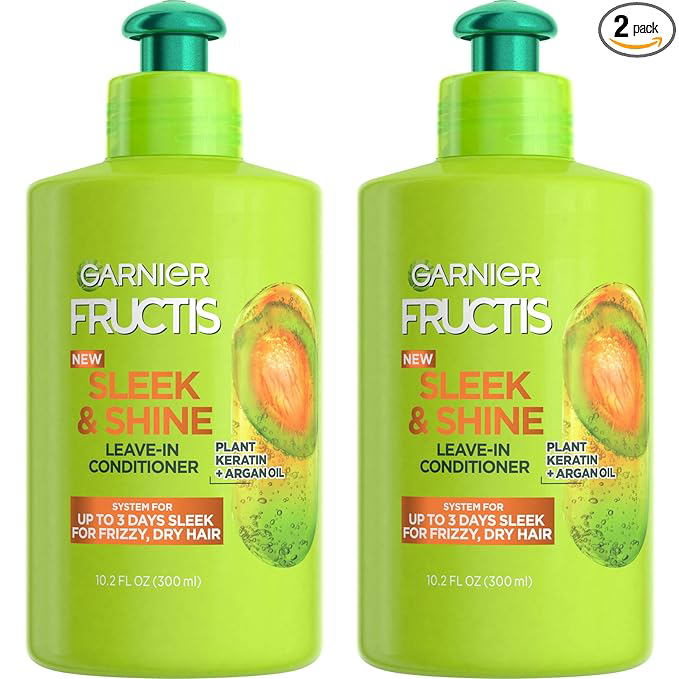
- Detangle only when hair is wet and conditioned. Water and a slippery conditioner or leave-in reduce friction. A wide-tooth comb or a wet brush designed for detangling is gentler than a standard paddle brush.
- Work from the ends up. Start detangling a few inches from the tips, then gradually move higher. This prevents forcing tangles downward, which can create knots and breakage.
- Limit brushing to once or twice a day. Unless you’re styling, there’s no need to brush constantly. For high-porosity hair, less mechanical manipulation is usually better.
- Use your fingers for quick touch-ups. Instead of grabbing a brush to smooth flyaways, use a dab of oil or a smoothing cream and your fingers to gently coax strands into place.
Signs you might be over-brushing
Not sure if brushing is contributing to your breakage? Look for these clues:
- You see short broken hairs around your hairline or crown, especially after brushing.
- Your brush or comb collects more hair than it used to, even though you’re not noticing shedding from the root.
- Your hair feels more brittle or rough after brushing, not smoother.
- You brush your hair multiple times throughout the day — more than three or four times — out of habit or to control frizz.
If any of these sound familiar, it may be time to rethink your routine. Over-brushing doesn’t cause hair loss at the root, but it can definitely make existing breakage and thinning look worse.
What to do instead of reaching for the brush
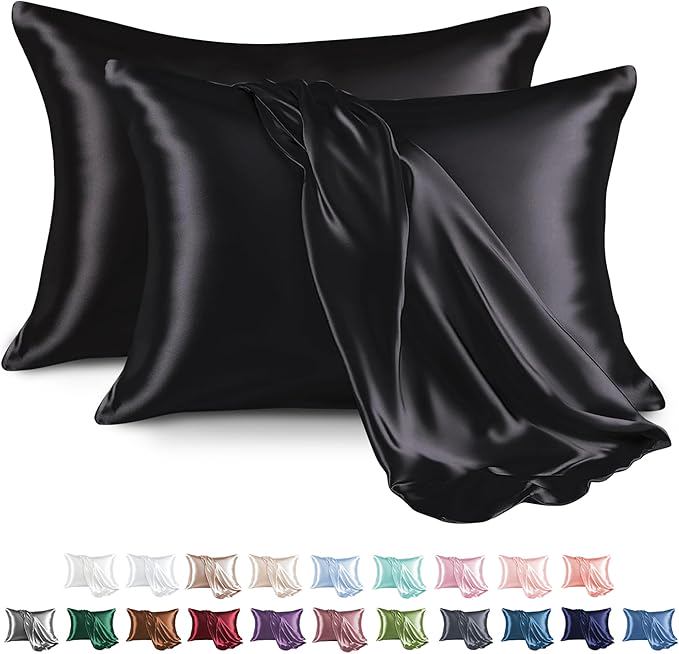
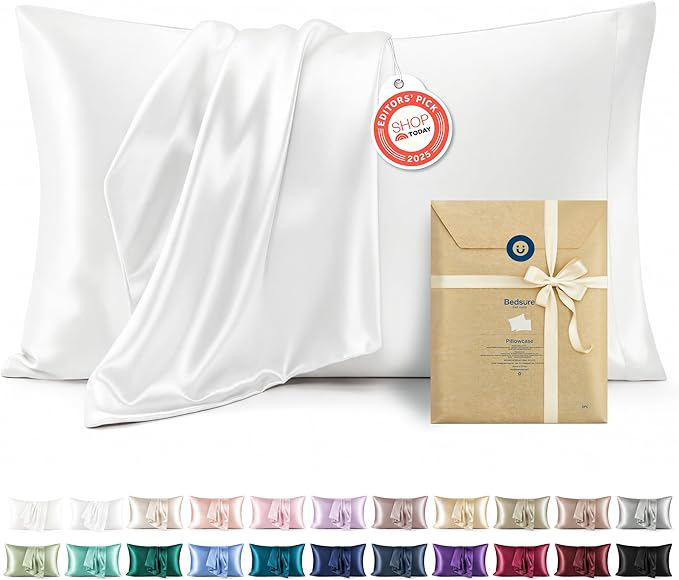
For high-porosity hair, protective styles and gentle handling often work better than frequent brushing. Pineappling (gathering hair loosely at the crown) or wearing a silk scarf at night helps preserve your style and prevents tangles from forming in the first place. A silk or satin pillowcase also reduces nighttime friction.
When you do need to smooth your hair, consider using a boar-bristle brush sparingly — only on dry, detangled hair — and never yank through tangles. That type of brush helps redistribute natural oils from the scalp to the ends, but it can still cause breakage if used aggressively.
A quick tip: If your brush snags or pulls even with a gentle hand, it’s a sign that your hair needs more slip (from conditioner or a detangling spray) before you try to comb it at all.
Can you fix high-porosity breakage?
While you can’t permanently seal a raised cuticle, you can reduce further damage and improve the look and feel of your hair. A consistent routine that emphasizes moisture retention, protein treatments (if your hair responds well), and low-manipulation styling will help. Trimming split ends regularly also prevents breakage from traveling up the shaft.
Above all, remember that high-porosity hair responds best to patience. Brushing less — and more intentionally — is a simple change that can lead to noticeably stronger, smoother strands over time.