You load your plate with a bright salad, chew carefully, and then — an hour later — you feel bloated, crampy, or just uncomfortably full. If raw vegetables seem to sit in your stomach like a stone, you are not imagining it. There is a real biochemical reason why that crunchy kale or raw broccoli can feel harder on your system than the same vegetable cooked.
The short answer comes down to two things: plant cell walls and the enzymes your body uses to break them down. Raw vegetables arrive in your gut with their cellulose structure largely intact, and your digestive system has to work extra hard to access the nutrients locked inside. Here is a practical, science-backed look at what is happening and what you can do about it — without giving up vegetables entirely.
What makes raw vegetables harder to break down?
Plants build their cell walls from cellulose, hemicellulose, and pectin — tough, fibrous compounds that resist human digestive enzymes. Unlike cows (which have multiple stomach chambers and specialized microbes to ferment cellulose), humans produce little to no cellulase, the enzyme that would efficiently break down these plant fibers. This means raw vegetable matter passes through much of your upper digestive tract relatively intact.
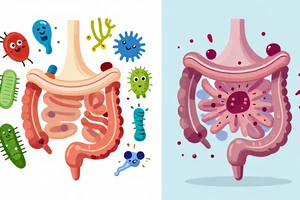
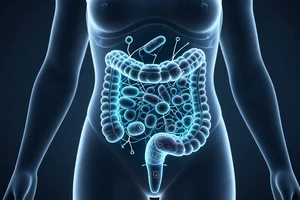
When this partially broken-down plant material reaches your large intestine, your gut bacteria step in to ferment it. That fermentation process produces gas — which explains the bloating, flatulence, and sometimes cramping that can follow a raw-vegetable-heavy meal. Your body is not rejecting the vegetables; it simply lacks the enzymatic tools to dismantle them quickly in their raw state.
Enzymes hidden in the produce itself
Raw vegetables do contain their own enzymes — naturally occurring proteins meant to support the plant's own metabolic processes. These plant enzymes (like bromelain in pineapple or papain in papaya) can begin breaking down proteins and other molecules when the plant tissue is crushed or chewed. However, these are not a meaningful substitute for your own digestive enzymes. Most are deactivated by stomach acid before they do much work in your digestive tract.
It is a common wellness claim that eating raw foods provides "live enzymes" that aid digestion. The reality is more modest: while raw vegetables do retain heat-sensitive nutrients (like vitamin C and some B vitamins), their native enzymes play a very minor role in human digestion. The real heavy lifting is still done by your own stomach acid, pepsin, pancreatic enzymes, and gut bacteria — and they all have to work harder on raw plant matter than on cooked.
Cooking changes the game
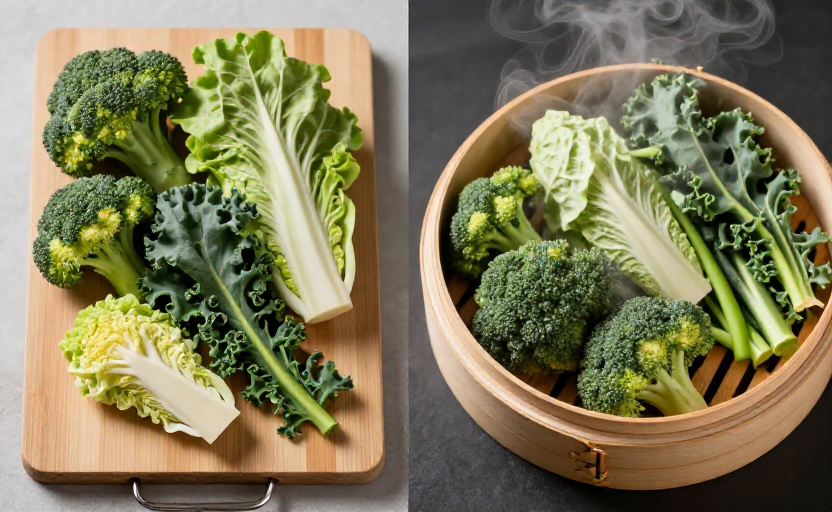
Heat transforms plant cell walls. Cooking — especially steaming, roasting, or boiling — breaks down the pectin and softens the cellulose structure. This process, called gelatinization of starches and solubilization of fiber, makes the nutrients more accessible to human digestive enzymes. The same carrot that might give you mild bloating when raw becomes noticeably easier to digest after a short steam.
There is a trade-off, of course. Water-soluble vitamins (vitamin C, the B complex) and some antioxidants degrade with heat and exposure to water. But minerals like potassium and magnesium, and the fiber itself, remain. For many people, the digestibility gain is worth the slight nutrient loss — especially for vegetables like cruciferous greens (kale, cabbage, broccoli), which are notoriously gas-inducing when raw.
A practical tip: If you love raw salads but struggle with digestion, try wilting the greens with a splash of hot broth or a quick steam for 30 seconds. You preserve much of the raw texture while dramatically improving enzyme access.
Why some people struggle more than others
Individual digestive capacity varies widely. Factors that can make raw vegetables more challenging include:
- Low stomach acid — common with age, stress, or acid-reducing medications. Without enough acid, the initial breakdown of fibrous material is less effective.
- Reduced pancreatic enzyme output — conditions like chronic pancreatitis or cystic fibrosis affect enzyme production, making all raw foods harder to digest.
- Irritable bowel syndrome (IBS) — many people with IBS have heightened sensitivity to the gas produced when fiber is fermented, and certain raw vegetables are high in FODMAPs (fermentable carbohydrates) that trigger symptoms.
- Gut microbiome composition — the balance of bacterial species in your colon influences how much gas is produced during fermentation and how you perceive it.
None of these conditions mean you should avoid vegetables. They mean you need to tailor the form, cooking method, and portion size to your own digestive reality.
Practical ways to make raw vegetables work for you
You do not have to abandon salads and crudités. Here are evidence-informed adjustments that can reduce digestive discomfort while keeping raw vegetables in your diet:
- Soak or sprout. Soaking raw nuts, seeds, legumes, and some grains overnight can reduce phytic acid and activate enzymes that partially break down starches and proteins. For vegetables, soaking shredded raw beets or carrots in cold water for thirty minutes can leach out some of the harder-to-digest compounds.
- Cut very small. The more surface area you expose, the more contact your digestive enzymes have with the plant cells. Finely shredding raw kale or grating raw broccoli stems makes a real difference.
- Marinate with acid. A dressing with lemon juice, vinegar, or yogurt starts breaking down plant cell walls before you even take a bite. Letting a salad sit for ten to fifteen minutes before eating gives the acid time to work.
- Chew thoroughly. Mechanical breakdown is the first and most controllable step. Each bite of raw vegetable should be chewed until it is nearly liquid before swallowing — that reduces the work your stomach has to do.
- Pair with gentle heat. A warm meal with some cooked elements can ease your entire digestive process. Having a small portion of raw vegetables alongside a larger portion of steamed or roasted ones gives you the nutritional variety of raw foods without overwhelming your system.
- Introduce gradually. If you have been eating mostly cooked vegetables and want to incorporate more raw ones, do it slowly over several weeks. Your gut bacteria need time to adapt to the increased fermentable fiber load.
When to consider digestive enzyme supplements
Over-the-counter digestive enzyme products (marketed for general digestion or specifically for gas and bloating) often contain alpha-galactosidase and cellulase — enzymes that help break down complex carbohydrates and cellulose. Some people find these genuinely helpful when taken with a raw-vegetable-heavy meal. The evidence is strongest for alpha-galactosidase reducing gas from beans and cruciferous vegetables.
These supplements are not a replacement for dietary adjustments, and they are not necessary for everyone. If your digestive discomfort is mild and occasional, the practical steps above are likely sufficient. If symptoms are persistent or severe, a healthcare provider can help rule out underlying conditions.
Raw vegetables are nutrient-dense and worth including in your diet — they retain vitamins and phytonutrients that heat can degrade, and their fiber supports a healthy gut microbiome over the long term. But they come with an honest digestive cost: your body has to work harder to unlock what is inside those tough plant cells. Understanding that trade-off takes the frustration out of the bloating and gives you real options to adapt, rather than giving up on greens.



![[10-Pack] Glass Meal Prep Containers with Lids, MCIRCO Food Storage Containers with Snap Locking Lids, Airtight Lunch Containers, Microwave, Oven, Freezer and Dishwasher](https://www.glowtheorylab.com/uploads/ad202604/141a61456fdd8860.webp)