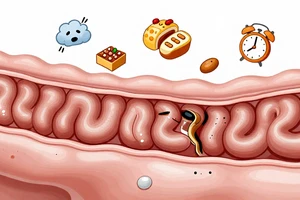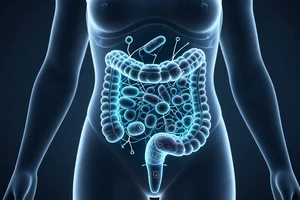
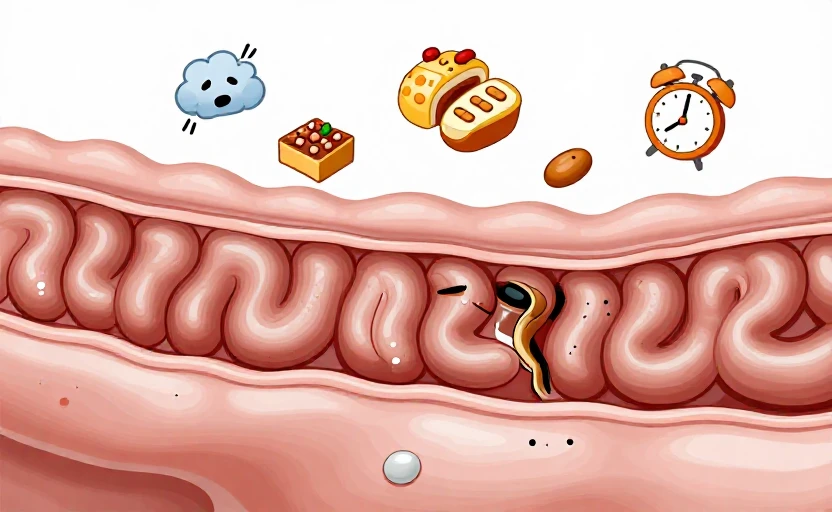
Your gut lining is a remarkable, single-cell-thick barrier that stands between your bloodstream and the outside world. It’s a gatekeeper, deciding what nutrients get absorbed and what potential threats stay out. When this lining is healthy and intact, it supports everything from immunity to mood. But certain daily habits, often done without a second thought, can quietly erode this delicate surface, leading to a condition often called ‘leaky gut’ or increased intestinal permeability. The good news? By identifying these common mistakes, you can take steps to protect and nourish this vital inner ecosystem.
The damage is rarely from one dramatic misstep. It’s the cumulative effect of small, repeated choices that wear down the gut’s resilience over time. Understanding what these habits are—and why they’re problematic—is the first step toward cultivating a gut-friendly routine.
1. Relying on Processed Foods and Added Sugars
A diet high in ultra-processed snacks, fast food, and sugary drinks is one of the most direct assaults on your gut lining. These foods are typically low in the fiber that your gut microbes need to thrive and produce protective compounds like short-chain fatty acids. Instead, they often contain emulsifiers, artificial sweeteners, and refined oils that can disrupt the mucus layer and trigger inflammation.
Think of sugar and processed fats as an irritant; a constant drip of them can make the gut lining more reactive and permeable.
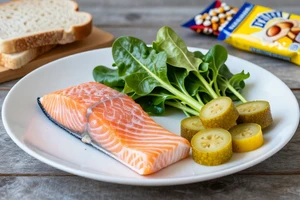
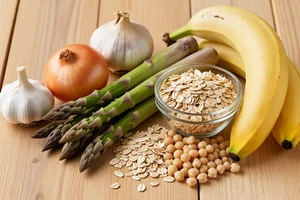
This doesn’t mean you need to achieve dietary perfection. The goal is to shift the balance. When the majority of your plate comes from whole, fiber-rich foods—vegetables, fruits, legumes, and whole grains—you crowd out the gut-damaging options and actively feed the beneficial bacteria that help maintain a strong barrier.
2. Chronic, Unmanaged Stress
Your brain and gut are in constant conversation via the gut-brain axis. When you’re stuck in a state of chronic stress—whether from work, relationships, or constant busyness—your body releases stress hormones like cortisol. In the short term, this can divert energy away from digestion and repair. Over the long term, it can increase intestinal inflammation and weaken the tight junctions that hold your gut lining cells together.
It’s not the occasional stressful day that’s the culprit; it’s the relentless, unaddressed pressure. The gut has a hard time distinguishing between a looming work deadline and a physical threat—the stress response is similar.
- Notice your patterns: Do you eat quickly while working? Do you feel tension in your stomach when anxious?
- Build micro-pauses: Even three deep breaths before a meal can signal to your nervous system that it’s safe to digest.
- Find your release valve: Regular movement, time in nature, or a few minutes of meditation can lower the baseline of stress hormones affecting your gut.
3. Overusing Non-Steroidal Anti-Inflammatory Drugs (NSAIDs)
Common over-the-counter pain relievers like ibuprofen and naproxen are effective for aches and pains, but they work by inhibiting enzymes that cause inflammation. A side effect of this mechanism is that they can also reduce the production of prostaglandins, compounds that help maintain blood flow and promote mucus production in the stomach and intestinal lining.
Occasional, short-term use as directed is generally fine for most people. The risk to your gut lining increases with frequent, long-term, or high-dose use without medical supervision. This can lead to irritation, microscopic inflammation, and increased permeability.
If you rely on these medications regularly for chronic pain, it’s crucial to have a conversation with your healthcare provider. They can help you manage pain while protecting your gut health.
4. Skimping on Sleep
Sleep is when your body enters repair mode, and this includes the gut lining. During deep sleep, cellular repair processes are upregulated, and the gut’s microbiome undergoes its own rhythmic maintenance. Consistently cutting your sleep short disrupts these cycles.
Research shows that sleep deprivation can alter the composition of gut bacteria, increase markers of intestinal permeability, and heighten systemic inflammation. It’s a double hit: you lose the repair time, and you create a more inflammatory internal environment. Prioritizing seven to nine hours of quality sleep isn’t just good for your energy—it’s a direct investment in your gut barrier function.
5. Excessive Alcohol Consumption
Alcohol, particularly in large amounts, is a direct irritant to the mucosal lining of the digestive tract. It can increase stomach acid production, disrupt the gut microbiome balance, and damage the tight junctions between intestinal cells. The result can be acute inflammation and a leakier gut barrier.
Moderation is key. Guidelines generally suggest limiting intake to one drink per day for women and two for men, but ‘alcohol-free days’ are a wise practice for gut recovery. If you notice digestive upset consistently linked to alcohol, it may be a sign your gut lining needs a break to heal.
Protecting your gut lining is less about a single magic bullet and more about the consistent, daily environment you create for it. By mindfully adjusting these common habits—opting for more whole foods, managing stress, using medications cautiously, prioritizing sleep, and moderating alcohol—you support the intricate system that forms the foundation of your overall health. Listen to your body’s signals, and give it the gentle care it needs to maintain a strong, resilient barrier.