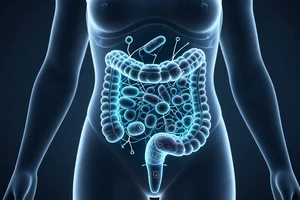

When your digestive system feels like it’s in a slow burn, the instinct is to do everything possible to put out the fire. You might cut out foods, load up on supplements, or try the latest elimination diet a friend recommended. But sometimes, the very steps you take to calm gut inflammation can end up making things worse.
Gut health is deeply personal, and what works for one person can backfire for another. As a health editor who has sifted through the research and spoken with gastroenterologists and dietitians, I’ve found that certain patterns keep coming up. Here are three of the most common mistakes people make when they’re trying to soothe an irritated gut—and what to try instead.
Mistake #1: Cutting out too many foods at once
When you’re bloated, crampy, or dealing with irregular bowel movements, it’s tempting to strip your diet down to the bare bones. Maybe you ditch dairy, gluten, sugar, and spicy foods all in the same week. The problem? You have no idea which one was actually causing trouble.
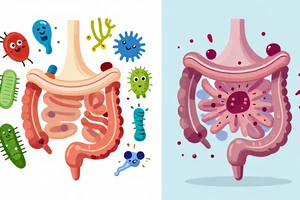
A restrictive approach can also starve your gut bacteria of the diversity they need to thrive. The microbes in your colon feed on fermentable fibers found in fruits, vegetables, legumes, and whole grains. When you remove these broadly, you may get short-term symptom relief, but you can also weaken your gut barrier and reduce microbial diversity over time.
Instead, try a more targeted approach. If you suspect a specific food group, work with a registered dietitian or use a structured elimination diet that reintroduces foods one by one. This way, you pinpoint the trigger without accidentally starving your microbiome of the nutrients it needs to heal.
Quick tip: Keep a food and symptom journal for at least two weeks before cutting anything major. Look for patterns—timing, portion size, preparation method—before blaming a single ingredient.
Mistake #2: Relying only on probiotics and supplements
Probiotics are everywhere: in kombucha, yogurt, pills, and powders. It’s easy to assume that flooding your system with “good bacteria” will automatically calm inflammation. But gut inflammation is a complex process involving the immune system, the intestinal lining, and the balance of microbes. Slamming in a probiotic without addressing the underlying environment is like throwing seeds onto dry soil.
What’s more, not all probiotics are created equal. Different strains do different things. Some may even cause temporary bloating or gas in sensitive individuals. If you have small intestinal bacterial overgrowth (SIBO) or histamine intolerance, certain probiotic strains can actually worsen symptoms.
Supplements like L-glutamine, zinc carnosine, or slippery elm are sometimes used to support gut lining repair, but they are not magic bullets. They work best as part of a bigger strategy that includes whole foods, stress management, and sleep.
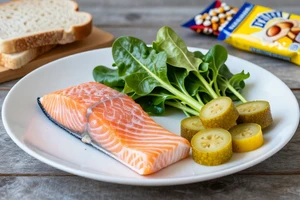
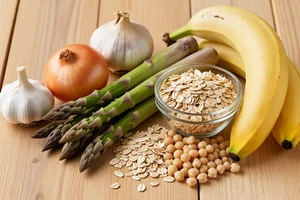
Instead, focus on food first. Fermented foods like sauerkraut, kimchi, and plain yogurt offer a diverse array of microbes naturally. And for prebiotics—the food for your bacteria—eat cooked and cooled potatoes, oats, bananas, and onions. These fiber-rich foods help your existing microbial community flourish without the guesswork of a supplement bottle.
Mistake #3: Ignoring stress and sleep as root causes
This is the mistake I see most often in the health-conscious community: addressing gut health as if it exists in a vacuum, separate from the brain. The gut and brain are connected via the vagus nerve, and chronic stress can increase intestinal permeability (often called “leaky gut”) and shift the balance of gut bacteria toward inflammatory species.
If you’re eating a pristine diet but sleeping five hours a night and running on adrenaline, you’re working against yourself. Cortisol, the body’s main stress hormone, can weaken the tight junctions between gut lining cells, allowing inflammatory particles to pass through. Lack of sleep also disrupts the gut microbiome’s daily rhythms, which can affect digestion and immune function.
Instead of adding one more supplement, consider adding one calming habit. A 10-minute walk after dinner, a consistent bedtime, or even a few minutes of deep breathing before meals can lower stress hormones and send a safety signal to your digestive system. This is not “woo-woo”—it’s physiology. The vagus nerve responds to slow, rhythmic breathing by activating the parasympathetic nervous system, which tells your gut to move into rest-and-digest mode.
If you’re currently navigating gut inflammation, take a step back. Are you cutting out too much? Are you relying on pills instead of whole foods? Have you addressed your sleep and stress? Small, steady adjustments in these areas often do more good than aggressive overhauls.