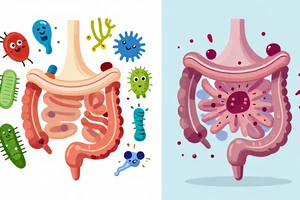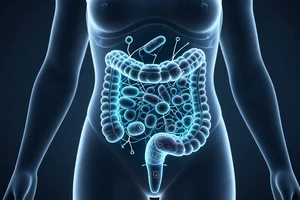

You might think your digestion is fine. You don’t have bloating after every meal. Your stomach doesn’t churn when you’re stressed. Yet the quiet kind of inflammation—the kind you don’t feel in the moment—can still simmer in your gut, slowly wearing down the intestinal lining and altering your microbiome balance.
The tricky part is that many of the habits driving that low-grade fire feel completely neutral or even healthy on the surface. You brush your teeth, you drink your morning coffee, you take your supplements. No red flags. But if your gut is quietly inflamed, these daily routines might be part of the reason. Below are six everyday habits that could be fueling intestinal inflammation without you noticing.
1. Brushing Right Before Breakfast
There’s a reason your toothpaste tube says “do not swallow.” Most conventional toothpastes contain sodium lauryl sulfate (SLS), artificial sweeteners like sorbitol, and sometimes titanium dioxide. When you brush immediately before eating, you swallow a concentrated slurry of those compounds right as your digestive system is waking up.
SLS can disrupt the protective mucus layer in the stomach and small intestine. Over time, that disruption may allow food particles and bacteria to make direct contact with the gut lining, triggering an immune response. A simple shift—brush after eating, or at least rinse thoroughly with water before your first bite—can reduce that unnecessary chemical load on an empty digestive tract.
2. Sipping Black Coffee on an Empty Stomach
Black coffee stimulates gastric acid secretion. For many people, that’s harmless or even beneficial. But if your gut lining is already slightly compromised—from stress, antibiotics, or a past course of NSAIDs—that extra acid can act like a mild irritant. The gut cells respond by releasing inflammatory cytokines.
It’s not the coffee itself that’s the problem; it’s the timing and the absence of buffer. Adding a splash of milk or having a small bite first (a banana, toast, or a handful of almonds) coats the stomach and softens the acid spike. If you’ve been having unexplained morning bloating or loose stools, this one change is worth testing for a week.
3. Chewing Sugar-Free Gum
That minty stick you use to freshen breath delivers a steady dose of sugar alcohols—xylitol, sorbitol, maltitol. These polyols are poorly absorbed in the small intestine. When they reach the colon, gut bacteria ferment them rapidly, producing gas and drawing water into the bowel. For sensitive individuals, this triggers bloating, cramping, and a low-grade inflammatory reaction.
Chewing also stimulates the vagus nerve, signaling your stomach to prepare for food. The digestive enzymes and stomach acid released have nothing to break down, which can lead to irritation over repeated cycles. If you reach for gum multiple times a day, try swapping in a piece of fresh mint or just rinsing with water.
4. Taking Certain Supplements Without Food
Not all supplements are gentle on an empty stomach. Zinc picolinate, iron, and some forms of magnesium (especially magnesium oxide) are common culprits. They can directly irritate the gastric mucosa, and the body often struggles to absorb minerals in the absence of food.
More concerning is that some protein powders and “greens” blends contain emulsifiers, carrageenan, or artificial thickeners. These additives have been shown in research to alter the gut microbiota composition and increase intestinal permeability—the so-called “leaky gut” state. If you take anything in powder form, check the label for carrageenan, polysorbate 80, or carboxymethylcellulose. And always pair supplements with a meal unless the label specifically says otherwise.
5. Eating “Healthy” Whole Grains Without Proper Preparation
Whole grains are widely praised for their fiber content, but they also contain antinutrients like lectins, phytates, and oxalates. These compounds evolved to protect the plant from pests, and in high concentrations, they can bind to minerals and irritate the gut lining in sensitive people.
The key is preparation. Soaking, sprouting, or fermenting grains neutralizes a large portion of these antinutrients. A bowl of quick oats made from rolled oats that haven’t been soaked may cause more inflammation than a bowl of properly soaked or sourdough bread. If you eat whole grains daily and still feel digestive unease, try switching to sprouted grain bread or traditionally fermented oats (like overnight steel-cut oats with a splash of yogurt whey).
6. Drinking Water That's Too Cold With Meals
This one sounds almost too subtle to matter, but the temperature of what you drink affects digestion. Ice-cold water constricts blood vessels in the stomach temporarily and can slow the activity of digestive enzymes, which operate best at body temperature. When food sits longer in the stomach, fermentation can begin before it moves to the small intestine, leading to gas, bloating, and a higher chance of bacterial overgrowth.
Room-temperature or warm water, by contrast, supports blood flow to the digestive organs and keeps enzymes working efficiently. Try switching to warm water with lemon or just tap-temperature water during meals for a few days and see if your post-meal comfort improves.
Gut inflammation is often accumulative rather than dramatic. None of these habits alone will ruin your health, but stacked together day after day, they create a background level of irritation that makes your gut more reactive to other triggers—alcohol, stress, lack of sleep. Pick one or two of these patterns to adjust this week. Small shifts in habit can quiet that low-grade fire more effectively than any supplement or elimination diet.