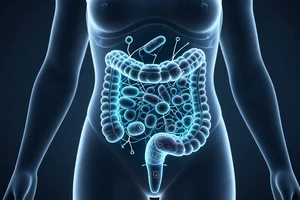

If your digestive system has been sending out distress signals—bloating, discomfort, irregularity, that heavy feeling that doesn't quite pass—your gut lining may be quietly inflamed. Chronic low-grade gut inflammation is more common than many realize, and it can affect everything from energy levels to mood. While serious digestive conditions require a doctor's care, the foods and drinks you choose each day can either fuel that fire or help calm it.
Here are four well-studied foods and drinks that may help soothe gut inflammation naturally, backed by both traditional wisdom and modern research.
Bone broth: The collagen connection
Simmering animal bones for hours does more than create a savory base for soup. It extracts collagen, gelatin, glycine, and minerals that can directly support the integrity of the gut lining. The amino acids proline and glutamine found in bone broth act as building blocks for the cells that line the intestinal wall.
Reference: A 2017 review in Nutrition Reviews noted that gelatin from bone broth supports intestinal barrier function and may reduce gut permeability (often called "leaky gut").
Collagen hydrolysate, gelatin-rich broths, and bone broth powder can all provide these soothing compounds. Sip a warm cup between meals or use it as a cooking base for grains and vegetables.
Ginger and turmeric duo
Both ginger and turmeric contain potent anti-inflammatory compounds—gingerol from ginger and curcumin from turmeric. When paired with black pepper, which enhances curcumin absorption, this duo can help quiet inflammatory pathways in the digestive tract.
Ginger has a strong track record for reducing nausea, but research also points to its ability to lower markers of colonic inflammation. Turmeric's curcumin has been studied in ulcerative colitis and Crohn's disease, though much of the data comes from animal models or in vitro studies.
A simple tea made from fresh ginger root, a pinch of turmeric, a dash of black pepper, and a squeeze of lemon offers a gentle, warming way to support your gut throughout the day.
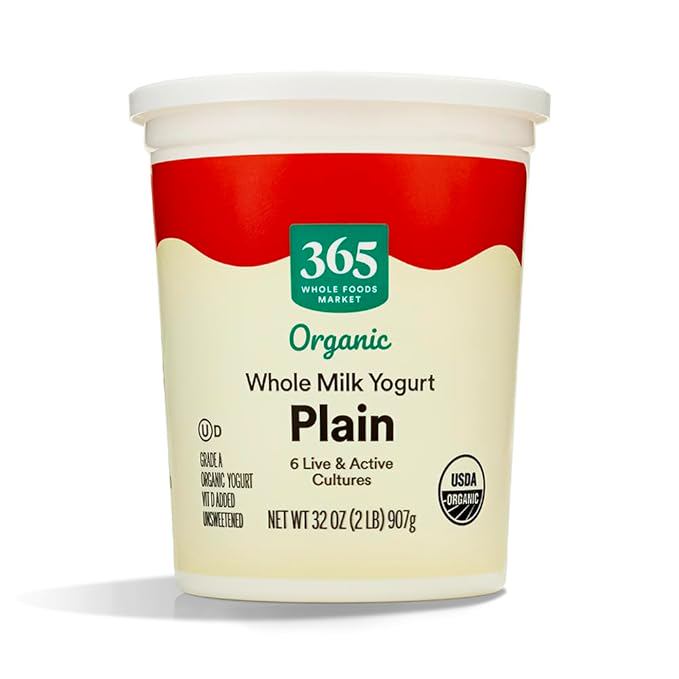
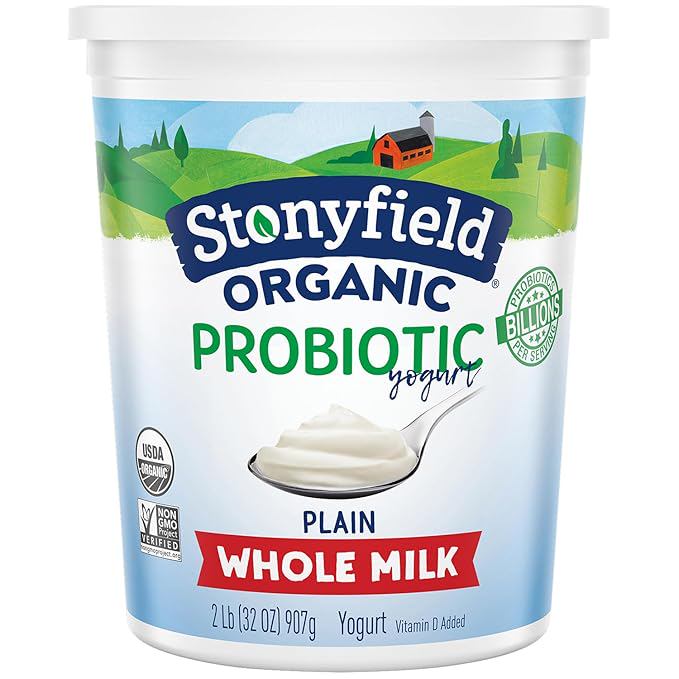
Probiotic-rich fermented foods (especially yogurt and kefir)
The gut microbiome plays a central role in inflammation regulation. Friendly bacteria in fermented foods can help lower intestinal pH, produce short-chain fatty acids like butyrate that feed colon cells, and crowd out inflammatory bacteria.
Yogurt and kefir, in particular, have the strongest evidence for gut-soothing benefits. A 2021 meta-analysis in Nutrients found that regular intake of probiotic yogurt reduced inflammatory markers such as C-reactive protein (CRP) and tumor necrosis factor-alpha (TNF-α). Kefir contains a wider diversity of yeast and bacteria than yogurt, which may offer additional gut benefits.
For best results, choose plain, unsweetened versions to avoid added sugars that can worsen inflammation. If dairy is a concern, coconut-yogurt varieties with live cultures can work, though they typically contain fewer bacterial strains.
Polyunsaturated fats from flax and chia seeds (and their oils)
Omega-3 fatty acids are well-known anti-inflammatory nutrients. While fish oil gets the spotlight, plant sources like ground flaxseeds, chia seeds, and flaxseed oil deliver alpha-linolenic acid (ALA), a precursor to more active omega-3s. Some research suggests ALA can reduce intestinal inflammation and improve gut barrier function.
Flaxseeds also contain lignans, which have antioxidant and anti-inflammatory properties that target the digestive tract. A tablespoon of freshly ground flaxseed stirred into oatmeal, smoothies, or yogurt provides fiber that feeds beneficial gut bacteria as well.
Tip: Whole flaxseeds pass through the digestive system mostly undigested. Always grind them just before use or buy cold-milled flaxseed meal for better absorption.
Putting it together: A day of gentle gut support
Morning: Warm bone broth or ginger-turmeric tea before breakfast.
Breakfast: Plain kefir with ground flaxseeds, a handful of berries, and a sprinkle of cinnamon.
Lunch: Big salad with leafy greens, shredded carrots, avocado, and a ginger-turmeric vinaigrette.
Snack: A small cup of plain yogurt with a drizzle of honey.
Dinner: A bowl of hearty vegetable soup made with bone broth and soft-cooked root vegetables.
This isn't a rigid meal plan—it's a pattern that weaves anti-inflammatory foods into real meals without deprivation or complexity. Consistency matters more than perfection.
Important caveats to remember
- No single food is a cure. Gut inflammation usually stems from a mix of diet, stress, sleep quality, and underlying conditions. These foods can help, but they work best as part of an overall balanced diet.
- Listen to your own body. Some people find that high-fiber foods like flaxseeds initially cause bloating if introduced too quickly. Start with small amounts (half a tablespoon) and increase gradually.
- Serious symptoms need professional attention. Persistent or severe digestive issues, unexplained weight loss, blood in stool, or night pain warrant a visit to a gastroenterologist.
Your gut lining has a remarkable capacity to heal when given the right raw materials. These four foods and drinks—bone broth, ginger and turmeric, probiotic yogurt or kefir, and ground flaxseeds or chia seeds—offer a natural, research-supported starting point for calming inflammation without resorting to extreme diets or expensive supplements.