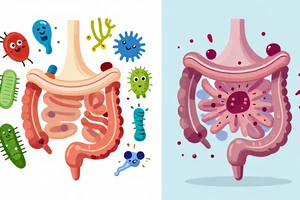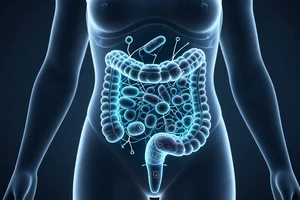
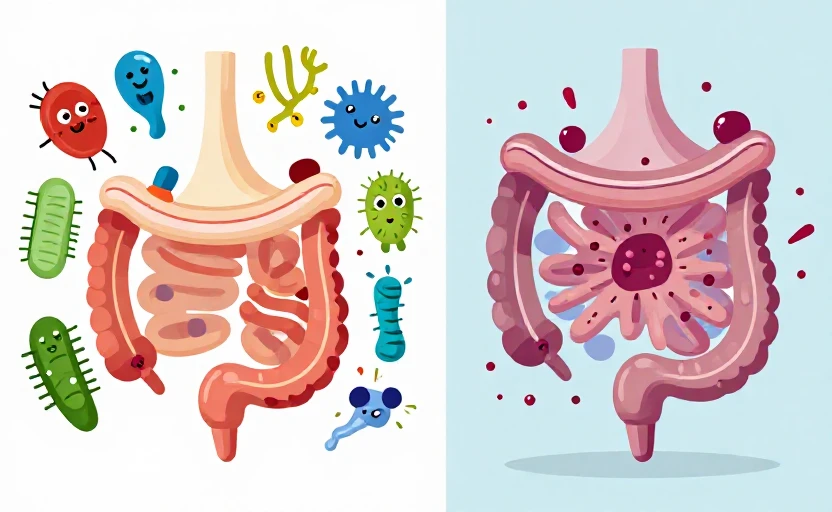
Your gut is more than just a digestive organ; it's a complex ecosystem teeming with trillions of bacteria, viruses, and fungi collectively known as the gut microbiome. When this community is in harmony, it supports everything from nutrient absorption to immune function and even mood regulation. But when the balance is disrupted—a state called dysbiosis—your body often sends clear signals. Learning to recognize these signs is the first step toward understanding your gut health.
An unbalanced gut doesn't always announce itself with dramatic stomach pain. Often, the symptoms are subtle, diffuse, and can be mistakenly attributed to other causes. Tuning into these seven common warning signs can help you connect the dots between your daily well-being and the state of your internal microbial world.
1. Persistent Digestive Discomfort
This is the most direct signal from your gut. While occasional bloating or gas is normal, a consistent pattern of discomfort often points to imbalance. You might experience frequent bloating that makes your abdomen feel tight and full, excessive gas, constipation, diarrhea, or a seesaw between the two. This happens because an overgrowth of less-friendly microbes can produce excess gas as they ferment food, or because the community isn't properly breaking down what you eat.
Think of your gut like a garden. The right balance of microbes helps everything run smoothly. Too many weeds, and the system gets clogged and uncomfortable.
2. Unintended Weight Changes
Gaining or losing weight without a clear change in diet or exercise can be puzzling. Your gut bacteria play a significant role in how you extract energy from food, regulate blood sugar, and store fat. Certain bacterial imbalances may increase calorie extraction from your diet, promote inflammation that encourages fat storage, or affect hormones that regulate appetite and satiety.
3. Fatigue and Low Energy
Feeling constantly drained, even after a full night's sleep, can be linked to your gut. A significant portion of your body's serotonin, a neurotransmitter that influences sleep and mood, is produced in the gut. Dysbiosis can disrupt this production. Furthermore, an imbalanced gut can contribute to systemic inflammation and may impair nutrient absorption—like B vitamins and iron—that are crucial for energy production, leaving you feeling perpetually worn out.
4. Skin Irritations
Conditions like eczema, acne, rosacea, and general skin dryness often have a gut connection. This link is often called the gut-skin axis. Inflammation originating in the gut can manifest on the skin. Also, when the gut lining is compromised (sometimes called "leaky gut"), it may allow particles into the bloodstream that trigger inflammatory responses, which can show up as redness, bumps, or irritation on your skin.
5. Food Intolerances
Developing new sensitivities to foods—especially those like FODMAPs (found in onions, garlic, beans) or lactose—can be a sign. This is different from a true food allergy. Intolerances often arise from problems digesting certain foods, which can be due to a lack of specific, helpful bacteria needed to break them down. The resulting fermentation by other bacteria leads to gas, bloating, diarrhea, and abdominal pain.
6. Mood Fluctuations and "Brain Fog"
Your gut and brain are in constant communication via the vagus nerve. Gut bacteria produce a vast array of neurochemicals that your brain uses to regulate processes like anxiety, focus, and memory. An imbalance can disrupt this production and communication, potentially contributing to feelings of anxiety, low mood, irritability, or an inability to concentrate clearly.
7. Frequent Illness and Weakened Immunity
If you find yourself catching every cold that goes around, your gut may be involved. Approximately 70% of your immune system resides in your gut. Beneficial gut bacteria help train immune cells and defend against pathogens. When the microbiome is off-kilter, this defense system can be compromised, making you more susceptible to infections.
What Can You Do to Support Balance?
If several of these signs feel familiar, it's a cue to pay closer attention to your gut health. The goal isn't perfection, but support. Start by looking at your diet: are you eating a wide variety of plant-based foods? Fiber from fruits, vegetables, legumes, and whole grains is the preferred fuel for beneficial bacteria. Fermented foods like yogurt, kefir, sauerkraut, and kimchi introduce helpful live cultures.
Consider your lifestyle factors, too. Chronic stress, poor sleep, and overuse of antibiotics (use only as prescribed by your doctor) can all negatively impact your microbial community. Regular physical activity has been shown to promote a more diverse microbiome.
Listening to these warning signs is about fostering awareness, not self-diagnosis. If symptoms are severe, persistent, or causing you concern, the most important step is to consult a healthcare professional—such as a primary care doctor or a gastroenterologist—who can help you identify the root cause and create a personalized plan.