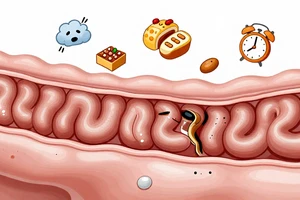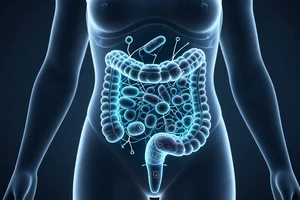
If you're navigating the often-confusing world of gut health, you've likely encountered the term 'leaky gut.' Medically known as increased intestinal permeability, it describes a condition where the tight junctions in your intestinal lining become loose, allowing undigested food particles, toxins, and bacteria to pass into the bloodstream. This can trigger widespread inflammation and a host of symptoms, from bloating and fatigue to joint pain and skin issues.
While research continues to evolve, the connection between diet and gut lining integrity is clear. Certain foods can act as irritants, potentially exacerbating this permeability and making symptoms feel more pronounced. Understanding which foods might be problematic is a powerful first step toward crafting a diet that supports, rather than stresses, your digestive system.
What foods could be contributing to leaky gut discomfort?
It's not about labeling foods as universally 'bad,' but rather recognizing which ones might be contributing to your specific discomfort. The goal is awareness, not fear. By identifying potential triggers, you can make more informed choices about what you eat and observe how your body responds. Here are seven common food categories that many people with sensitive guts find can worsen their symptoms.
Refined sugars and high-fructose corn syrup
Sugary snacks, sodas, and many processed foods are loaded with refined sugars and high-fructose corn syrup. These simple sugars can feed less-desirable bacteria and yeast in the gut, potentially leading to an overgrowth that damages the intestinal lining. This imbalance, known as dysbiosis, is a key player in increased intestinal permeability.
Think of sugar as fuel for the wrong kind of gut fire—it can increase inflammation throughout the digestive tract.
Conventional dairy products
For many, the primary protein in dairy, casein, and the sugar, lactose, can be difficult to digest. This is especially true for conventional dairy from cows that may have been treated with antibiotics or hormones, which can further disrupt gut flora. The difficulty in breaking down these components can lead to irritation and inflammation in the gut lining. Some individuals find that switching to organic, A2, or fermented dairy like kefir or aged cheeses causes less distress.
Gluten-containing grains
Wheat, barley, and rye contain gluten, a protein that can be problematic even for those without celiac disease. Gluten can trigger the release of zonulin, a protein that regulates the tight junctions in your intestinal wall. For some people, this mechanism can become dysregulated, causing the junctions to stay open longer than they should. This is a direct pathway to increased permeability.
Industrial seed and vegetable oils
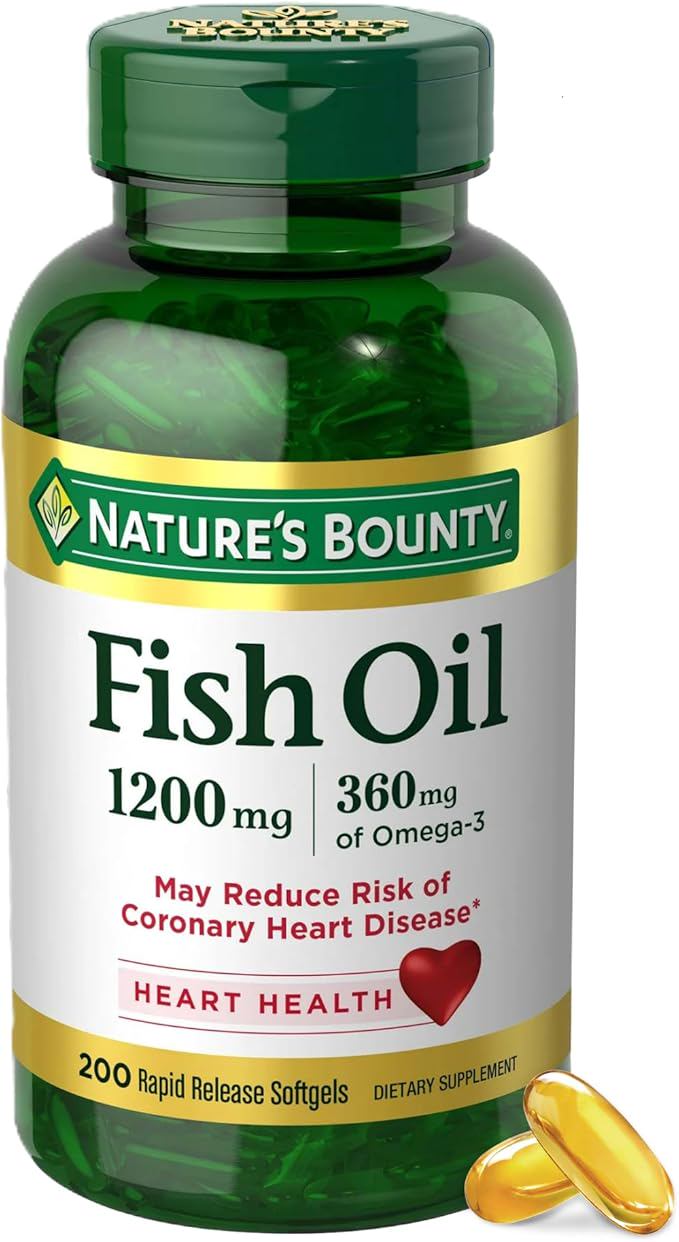
Oils like soybean, corn, canola, and sunflower oil are high in omega-6 fatty acids. While we need some omega-6s, the modern diet is often overwhelmingly skewed toward them and away from anti-inflammatory omega-3s. A high intake of these processed oils can promote systemic inflammation, which doesn't spare the delicate gut lining. They are ubiquitous in fried foods, packaged snacks, and salad dressings.
Alcohol
Alcohol is a direct irritant to the mucosal lining of the gastrointestinal tract. It can increase permeability almost immediately after consumption by damaging the cells that line the intestine and disrupting the balance of gut bacteria. Regular consumption can make it very difficult for the gut to repair itself and maintain a strong barrier.
Artificial sweeteners and additives
Sweeteners like aspartame, sucralose, and saccharin, along with emulsifiers like polysorbate 80 and carboxymethylcellulose (common in ice creams and processed foods), may negatively alter gut bacteria. Studies suggest they can reduce the number of beneficial bacteria and promote strains linked to inflammation, potentially compromising the gut barrier.
Highly processed foods
This is a broad category, but it encompasses foods with long ingredient lists full of unrecognizable items. These foods are often combinations of the previous triggers—high in sugar, refined oils, additives, and low in fiber. The lack of fiber is crucial, as fiber is the preferred food for your beneficial gut bacteria. A diet low in fiber starves these good microbes, allowing more inflammatory ones to thrive and weaken the intestinal wall.
How to move forward with this knowledge
Seeing this list can feel daunting, especially if many of these foods are staples in your current diet. The approach isn't necessarily to eliminate everything at once, which is stressful and unsustainable. Stress itself is a major aggravator for leaky gut.
Consider starting with a simple observation period. Keep a food and symptom journal for a week or two, noting what you eat and how you feel afterward—not just digestively, but your energy, mood, and skin. You may begin to see patterns.
From there, you might choose to experiment with removing one or two of the most frequent suspects for a few weeks, like cutting out added sugars or switching from conventional to organic dairy. Notice any changes. The process is personal and investigative.
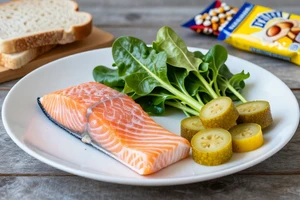
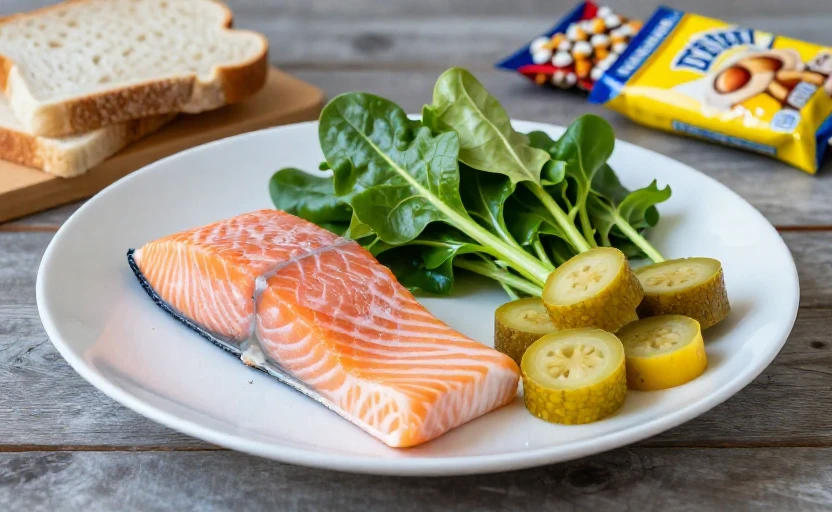
Simultaneously, focus on adding in foods that are known to support gut healing: bone broth, fermented foods like sauerkraut and kimchi, cooked leafy greens, omega-3 rich foods like wild-caught salmon, and a diverse array of colorful vegetables. Nourishing your body with these supportive foods can often make the need for restrictive elimination less intense.
Always discuss significant dietary changes with a healthcare provider or a registered dietitian, particularly if you have underlying conditions. They can help you create a balanced, nutrient-sufficient plan that addresses your symptoms without creating new nutritional gaps. Your gut health journey is unique, and patience with your body is the most important ingredient of all.