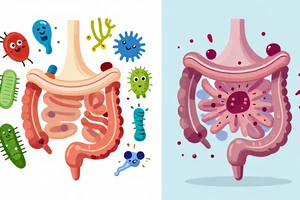
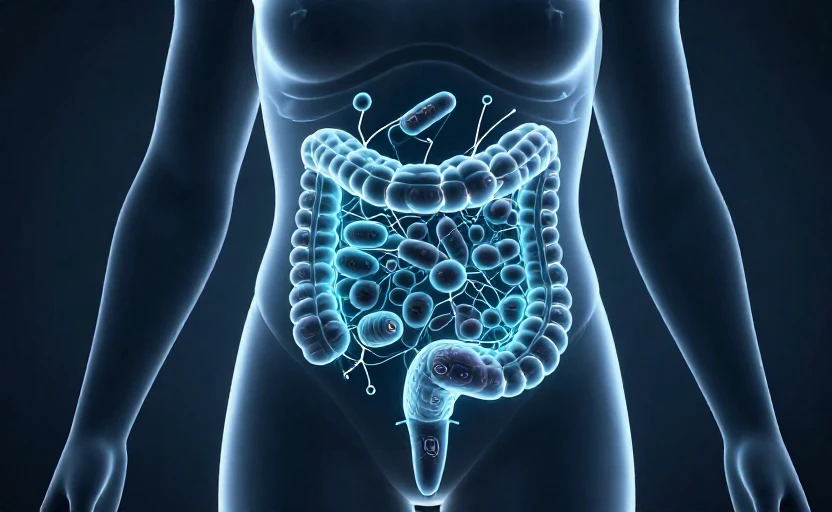
Your gut is more than just a digestive organ; it's a complex ecosystem teeming with trillions of bacteria, fungi, and other microbes. This community, known as the gut microbiome, plays a surprisingly central role in your overall health, influencing everything from your mood to your immune system. When this delicate balance is disrupted—a state often called dysbiosis—your body often sends signals. Learning to recognize these signs is the first step toward understanding your gut health.
These symptoms are your body's way of communicating that something is off-kilter. They are not a definitive diagnosis, but rather clues worth paying attention to and discussing with a healthcare professional. Here are five common symptoms that could point to an imbalance in your gut bacteria.
1. Persistent Digestive Discomfort
This is often the most direct signal. Your gut bacteria are essential for breaking down food, absorbing nutrients, and maintaining the integrity of your intestinal lining. When the wrong kinds of bacteria dominate, or the beneficial ones are depleted, the digestive process can become erratic and uncomfortable.
You might experience frequent bloating, gas, constipation, or diarrhea. It’s that feeling of fullness and pressure soon after eating, even a modest meal. For some, it's unpredictable bowel habits that swing from one extreme to the other. This occurs because imbalanced bacteria can produce excess gas during fermentation, alter the speed of gut motility, or contribute to inflammation in the digestive tract.
If your gut feels like a constant source of unease rather than a quiet, efficient processor, it’s a prime indicator that its microbial residents need support.
2. Unintended Changes in Weight
Your gut bacteria are active participants in metabolism, influencing how you extract energy from food and store fat. Certain bacterial strains are associated with more efficient calorie harvest, while others may help regulate appetite and blood sugar.
An imbalance, particularly one involving a reduction in microbial diversity, can disrupt these metabolic pathways. This can sometimes manifest as unexplained weight gain, as your body may start storing more calories as fat. Conversely, some imbalances might lead to difficulty gaining or maintaining weight due to poor nutrient absorption. If your weight is shifting without a clear change in your diet or exercise routine, your gut microbiome could be a contributing factor.
3. Persistent Fatigue and Low Energy
Feeling constantly drained, even after a full night's sleep, can be mystifying. Your gut health might be a piece of that puzzle. A significant portion of your body's serotonin, a neurotransmitter that influences mood and sleep, is produced in the gut with the help of specific bacteria.
Furthermore, an imbalanced gut can lead to systemic inflammation. This low-grade, body-wide inflammation is energetically costly and can directly contribute to feelings of exhaustion and brain fog. When your gut lining is compromised (sometimes called "leaky gut"), it may allow particles into the bloodstream that trigger an immune response, sapping your energy reserves.
4. Skin Issues Like Eczema or Acne
The connection between your gut and your skin, often called the gut-skin axis, is powerful. Inflammation originating in the gut can manifest on the skin's surface. Conditions like eczema, rosacea, acne, and general skin dryness or irritation have been linked to dysbiosis.
When the gut barrier is weakened and inflammation is present, it can stimulate skin cells and oil glands, leading to flare-ups. The microbiome also helps regulate the immune system; an imbalance may cause it to overreact, contributing to inflammatory skin conditions. For many, addressing gut health becomes a fundamental part of managing chronic skin concerns.
5. Mood Fluctuations and Anxiety
Perhaps one of the most profound connections is between your gut and your brain, communicated via the vagus nerve in what's known as the gut-brain axis. The bacteria in your gut produce a vast array of neuroactive compounds, including GABA, dopamine, and serotonin precursors, which can influence your emotional state.
An imbalance in gut bacteria can disrupt the production of these chemicals and increase inflammatory markers that are known to affect brain function. This can contribute to feelings of low mood, heightened anxiety, irritability, or a sense of mental unease. It’s not that the gut imbalance "causes" these states in isolation, but it can significantly exacerbate them, creating a challenging cycle.
What You Can Do Next
Recognizing these symptoms is about awareness, not self-diagnosis. If several of these signs feel familiar, consider it a nudge to tune in to your gut health. The next, most responsible step is to start a conversation with a doctor or a registered dietitian. They can help rule out other conditions and guide you toward personalized strategies, which may include dietary adjustments, stress management techniques, or other lifestyle supports to help rebalance your inner ecosystem.
Generally, fostering a diverse microbiome involves nourishing the good bacteria already present. This often means incorporating a wide variety of fiber-rich plants—fruits, vegetables, legumes, and whole grains—which act as prebiotic fuel. Fermented foods can also introduce beneficial probiotics. Simultaneously, managing stress, prioritizing sleep, and being mindful of medications like antibiotics (which should always be taken as prescribed) are all part of a holistic approach to gut harmony.