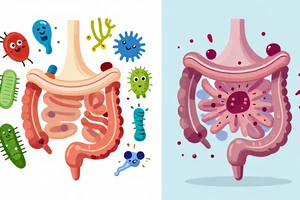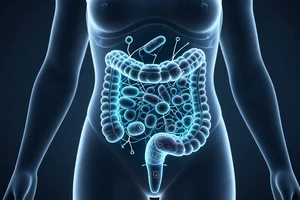

Pinpointing the exact food that leaves you feeling bloated, foggy, or uncomfortable can feel like a frustrating guessing game. Gut inflammation doesn't always announce itself with dramatic pain; often, it shows up as low-grade fatigue, inconsistent digestion, or a persistent sense of sluggishness. The connection between what lands on your plate and the state of your intestinal lining is complex, but it is not a mystery. By approaching the problem with a structured, observational method, you can identify the specific dietary triggers that are quietly fanning the flames.
The goal is not to chase a rigid list of forbidden foods—that approach rarely works—but to learn how your own digestive system signals distress and to isolate the patterns behind those signals. This guide walks through the practical steps to become a detective of your own gut health, using strategies recommended by gastroenterologists and registered dietitians.
Recognizing the Subtle Signs of Gut Inflammation
Before you can identify a trigger, you need to know what you are looking for. Gut inflammation rarely feels like just a stomachache. Common symptoms include persistent bloating that lasts for hours after a meal, irregular bowel movements (diarrhea, constipation, or alternating between the two), excessive gas, and a feeling of incomplete evacuation. Many people also report systemic effects such as joint aches, brain fog, skin breakouts, or fatigue that peaks a few hours after eating. If you notice these patterns repeating, it is time to look at the food you are eating.
The Top Culprits in Standard Diets
While every person is different, research consistently points to a handful of food groups that are most likely to provoke an inflammatory response in the gut. Knowing these common triggers gives you a starting point for your personal investigation.
- Refined sugars and high-fructose corn syrup. These sugars feed pathogenic gut bacteria and yeast, encouraging dysbiosis (an imbalance in the microbiome). This imbalance can weaken the intestinal barrier and promote low-grade inflammation.
- Gluten-containing grains. For some individuals, gluten triggers the release of zonulin, a protein that can open gaps between intestinal cells (intestinal permeability or leaky gut). Even for those without celiac disease, gluten can be a legitimate driver of gut distress.
- Dairy products. Lactose is a common trigger for those with reduced lactase enzyme production, leading to fermentation, gas, and inflammation in the colon. A1 casein, a protein found in most cow's milk, can also be inflammatory for sensitive individuals.
- Omega-6-rich vegetable oils. Oils like soybean, corn, sunflower, and canola are high in linoleic acid, which can be converted into pro-inflammatory compounds when consumed in excess and when the diet is low in anti-inflammatory omega-3s.
- Processed foods and emulsifiers. Foods you buy in a packet often contain thickeners and emulsifiers (like carboxymethylcellulose and polysorbate 80) that directly disrupt the mucus layer protecting the gut lining.
How to Systematically Test Your Reactions
Elimination diets are the gold standard for identifying triggers, but the key is doing it correctly. You don't want to starve yourself or be overly restrictive for too long. Here is a practical protocol.
Step 1: The Full Exclusion Phase
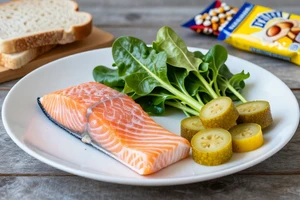
Remove the most common triggers listed above for a period of two to three weeks. This means eating only whole foods: vegetables, fruit, lean meats, fish, eggs, rice, potatoes, and olive or coconut oil. Avoid all grains, dairy, processed foods, sugar, legumes, and seed oils. Keep a simple log of your daily symptoms, rating them from 0 to 10. If you notice a significant drop in symptoms after two weeks, you have confirmed that at least one of the excluded foods is a problem for you.
Step 2: The Slow Reintroduction
This is where the real learning happens. Reintroduce one food category at a time, on a specific day, and then go back to the exclusion diet for three days to observe a delayed reaction. For example, on day one of reintroduction, eat a serving of plain dairy (like a glass of milk or plain yogurt). Then eat strictly clean for the next three days. Watch for any symptom return—bloating, gas, brain fog, or skin changes—during those 72 hours. This pattern isolates a single variable.
Always test the most commonly tolerated forms of a food first. For gluten, try regular pasta. For dairy, try fresh milk. If you react, you do not need to challenge other forms of the same trigger. Record the result in your journal.
Step 3: Identifying Cross-Reactions and Dose Thresholds
Sometimes a food causes a reaction only when eaten in large quantities or in combination with another trigger. If pure dairy fails to cause symptoms, try eating a large portion of yogurt. If wheat bread is tolerated, try eating two slices. Understanding your personal dose threshold helps you avoid unnecessary restrictions. Some individuals can tolerate a small amount of gluten or dairy once a week without inflammation, but not daily consumption.
Lab Testing and Professional Support
While the elimination diet is a DIY tool, certain tests can save you months of guesswork. Food sensitivity IgG panels have limited scientific validity and often produce false positives, but a medically supervised stool test (such as a comprehensive digestive stool analysis) can identify markers of inflammation like calprotectin or eosinophil protein X. These tests, combined with a gastroenterologist's assessment, can tell you whether your symptoms are driven by true inflammation, an infection, or a functional issue like SIBO (Small Intestinal Bacterial Overgrowth).
If you have a known condition like Crohn's disease, ulcerative colitis, or celiac disease, do not attempt dietary elimination without a doctor's guidance—malnutrition or flare-ups can result from improper restriction.
The Role of Diet Diversity in Long-Term Gut Health
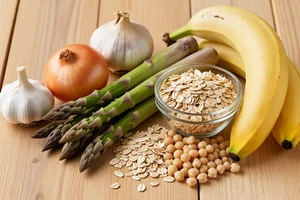
A common mistake after identifying triggers is narrowing the diet too drastically. A diverse microbiome thrives on a wide variety of plant fibers. Once you have identified and removed the specific foods that cause you harm (and confirmed this by the reintroduction challenge), focus on expanding the range of anti-inflammatory foods you eat safely. Different colored vegetables, berries, herbs, nuts, seeds, and fermented foods (if tolerated) provide polyphenols and prebiotic fibers that support the regeneration of the gut lining and help regulate the immune response.
Consider rotating your safe foods across the week. For example, instead of eating the same salad every day, vary your greens between arugula, watercress, mixed microgreens, and butter lettuce. This small shift exposes your gut microbes to a broader set of compounds, encouraging a more resilient and less reactive ecosystem.
Listen to your body, but do not rely on memory. A written log for at least two weeks is worth more than your most vivid recollections. The ultimate prize is not a perfect diet—it is a diet that supports your energy, mood, and digestion without making meals feel like a minefield. By following a methodical process, you replace guesswork with clarity, and you empower yourself to eat with confidence again.