
You finish a meal that felt satisfying at the time, but within an hour your abdomen is bloated, tender, or cramping. Maybe you feel unusually tired, or your digestion has slowed to a crawl. For many people, this is a familiar pattern — and it often points to gut inflammation triggered by something on the plate. Understanding what causes this reaction is the first step toward calming your digestive system.
Gut inflammation after eating is not a single condition. It is a symptom with several possible roots, ranging from the foods you chose to how your own immune system interacts with your gut lining. The good news is that most cases are manageable once you identify the pattern. This explainer walks through the most common causes, the signs to watch for, and what you can do to support your gut health without guesswork.
How the Gut Lining Reacts to Food
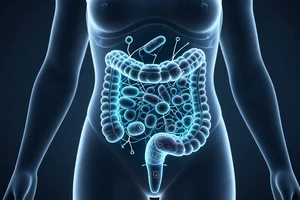
The inner wall of your intestines is a single layer of cells held together by tight junctions. Think of these junctions as gates. In a healthy gut, they open just enough to allow nutrients through while keeping larger particles, microbes, and toxins out. When something irritates this barrier, the gates loosen, and substances that shouldn't pass into your bloodstream start leaking in. Your immune system responds by sending inflammatory signals — this is what you feel as bloating, pain, or fatigue after a meal.
Several triggers can cause this chain reaction. Some are dietary, some are related to your microbiome, and others stem from chronic conditions that affect the entire digestive tract.
Common Dietary Triggers of Post-Meal Gut Inflammation
1. Highly Processed Foods and Emulsifiers
Industrial additives found in many packaged foods can directly disrupt the gut barrier. Emulsifiers such as polysorbate 80 and carboxymethylcellulose are added to improve texture and shelf life, but research suggests they alter the mucus layer that protects your intestinal lining. Over time, this makes the gut more permeable. If you notice inflammation after eating convenience meals, sauces, or certain dairy alternatives, emulsifiers may be the culprit.
2. FODMAPs and Fermentable Carbohydrates
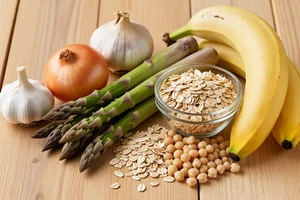
Foods high in fermentable oligosaccharides, disaccharides, monosaccharides, and polyols — collectively called FODMAPs — can cause gas and fluid shifts in the gut. For people with sensitive bowels or conditions like irritable bowel syndrome, these carbohydrates are rapidly fermented by gut bacteria, producing gas that distends the intestine and triggers pain. Common sources include wheat, onions, garlic, beans, apples, and stone fruits. The inflammation here is more about pressure and nerve sensitivity than a systemic immune response, but it feels very real.
3. Histamine-Rich Foods
Histamine is a compound that your immune system releases during allergic reactions, but it is also present in certain foods. Aged cheeses, cured meats, fermented vegetables, wine, and leftover fish contain high levels of histamine. If your body lacks enough of the enzyme diamine oxidase to break it down, you may experience flushing, headache, hives, or gut inflammation after eating these foods. This is known as histamine intolerance.
4. Spicy or Acidic Foods
Chili peppers contain capsaicin, which activates pain receptors in the gut lining. For some people, this can mimic or trigger an inflammatory response. Similarly, highly acidic foods like citrus, tomatoes, and vinegar can irritate the esophagus and upper stomach, especially if you have a weakened lower esophageal sphincter or gastritis. The burning or cramping sensation is often mistaken for gut inflammation when it is actually irritation of the mucosal lining.
Gut Microbiome Imbalance and Dysbiosis
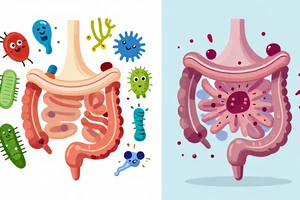
Your gut houses trillions of bacteria that help digest food, produce vitamins, and regulate immunity. When the balance of these bacteria shifts — due to antibiotics, a low-fiber diet, or repeated stress — dysbiosis can set in. In dysbiosis, certain bacterial strains overgrow and produce metabolites that provoke an immune response. You might notice that the same meal you tolerated a month ago now leaves you feeling inflamed. This pattern often develops gradually and may require a gut-healing protocol rather than quick fixes.
A simple way to support microbiome diversity is to rotate your fiber sources: aim for at least 30 different plant foods per week. Variety matters more than any single superfood.
Underlying Conditions That Cause Post-Meal Flare-Ups
Sometimes diet is only part of the equation. These chronic conditions can make the gut hyper-reactive to even healthy meals:
- Irritable Bowel Syndrome (IBS): A disorder of the gut-brain axis that amplifies pain signals and disrupts motility. Meals high in fat or FODMAPs can trigger cramping and bloating within 30 minutes.
- Inflammatory Bowel Disease (IBD): Crohn’s disease and ulcerative colitis involve chronic inflammation of the gut lining itself. Certain foods — especially raw vegetables, seeds, and dairy — can aggravate symptoms, though diet does not cause the disease.
- Small Intestinal Bacterial Overgrowth (SIBO): When bacteria normally confined to the colon colonize the small intestine, they ferment food prematurely, producing gas and inflammation. This often intensifies after meals rich in carbohydrates or fiber.
- Celiac Disease: An autoimmune reaction to gluten that damages the villi of the small intestine. Even trace amounts can trigger inflammation, malabsorption, and fatigue that lasts for days.
Practical Steps to Identify Your Trigger
You don’t need a complicated protocol to start understanding your body’s patterns. These low-tech strategies can help you connect the dots between what you eat and how you feel afterward.
- Keep a symptom-food journal for two weeks. Write down every meal and rate your pain, bloating, and energy level one to three hours later. Look for repeating offenders: dairy, wheat, beans, spicy foods, or alcohol.
- Test the low-FODMAP approach. Work with a dietitian to eliminate high-FODMAP foods for two to four weeks, then reintroduce them one at a time. This is the gold standard for identifying fermentable carbohydrate triggers.
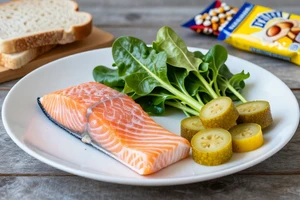
- Try a histamine-limited meal. If you suspect histamine intolerance, eat only freshly cooked foods for 24 to 48 hours and see if symptoms improve. Avoid leftovers, aged products, and fermented items.
- Assess your eating speed and portion size. Swallowing air by eating too quickly can cause bloating even in a healthy gut. Slowing down and chewing thoroughly reduces the mechanical load on your system.
When to Seek Medical Help
It is important to distinguish between occasional discomfort and a pattern that warrants professional evaluation. See a gastroenterologist if you experience any of the following: unintentional weight loss, blood in your stool, persistent night-time symptoms that wake you, or inflammation that progressively worsens over weeks. These signs may indicate IBD, celiac disease, or an infection that requires diagnosis through endoscopy, stool testing, or blood work.
For most people, gut inflammation after meals is a signal — not a sentence. By paying attention to your body’s unique triggers and adjusting your eating habits accordingly, you can often restore comfort. The goal is not to eliminate all pleasure from eating, but to build a diet that nourishes your gut rather than inflames it.