Walk through any modern grocery store, and you will notice an entire aisle dedicated to gut health tonics, probiotic capsules, and fermented snacks. The hype is loud, but underneath the marketing noise there is a real, science-backed connection. Fermented foods — think yogurt, kimchi, sauerkraut, and kombucha — have been part of human diets for thousands of years, long before we understood the microbiome. Today, we know they help your gut in ways that go beyond simple digestion.
This is not about fads. It is about how ancient food preservation techniques actually support the trillions of bacteria living in your digestive tract. Let's walk through the practical reasons fermented foods matter and how you can start using them without overcomplicating your kitchen.
What makes a food "fermented" and why does the gut care?
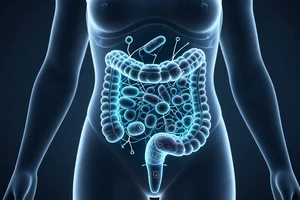
Fermentation is a natural process where microorganisms like bacteria, yeast, or fungi break down sugars and starches in food. This creates compounds such as lactic acid, which acts as a natural preservative and also gives foods their tangy flavor. Crucially, this process does something that cooking or canning cannot: it introduces live, beneficial bacteria directly into your system. These bacteria, often called probiotics, survive stomach acid and reach the colon where they can influence the microbial balance.
Why balance matters
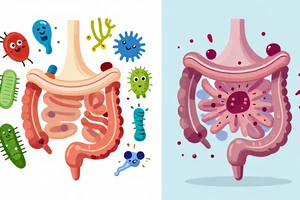
Your gut microbiome is a complex ecosystem. When it leans too far toward harmful bacteria — due to poor diet, stress, or antibiotics — you may experience bloating, irregularity, or low-grade inflammation. Introducing specific strains of Lactobacillus and Bifidobacterium through fermented foods can help restore equilibrium. This is not a dramatic overnight fix, but a steady, gentle support system. Think of it as tending a garden: you are adding beneficial seeds rather than trying to pull out every weed at once.
Fermentation makes nutrients more accessible
One overlooked benefit of fermentation is that it pre-digests certain compounds, making vitamins and minerals easier for your body to absorb. For example, the lactic acid in fermented vegetables can break down phytic acid — a compound in grains and legumes that blocks mineral absorption. The process can also increase levels of B vitamins, including folate, riboflavin, and niacin. When you eat sauerkraut with a meal, you are not just adding flavor; you are enhancing the nutritional value of everything on your plate.
Tip: look for "live cultures" or "raw" on labels. Pasteurized versions (like shelf-stable sauerkraut in jars) lose most of these bacterial benefits.
Which fermented foods actually deliver?
Not all fermented foods are created equal. Some are rich in probiotics; others are simply preserved foods that no longer contain live bacteria. Here are a few that consistently show up in studies for gut health:
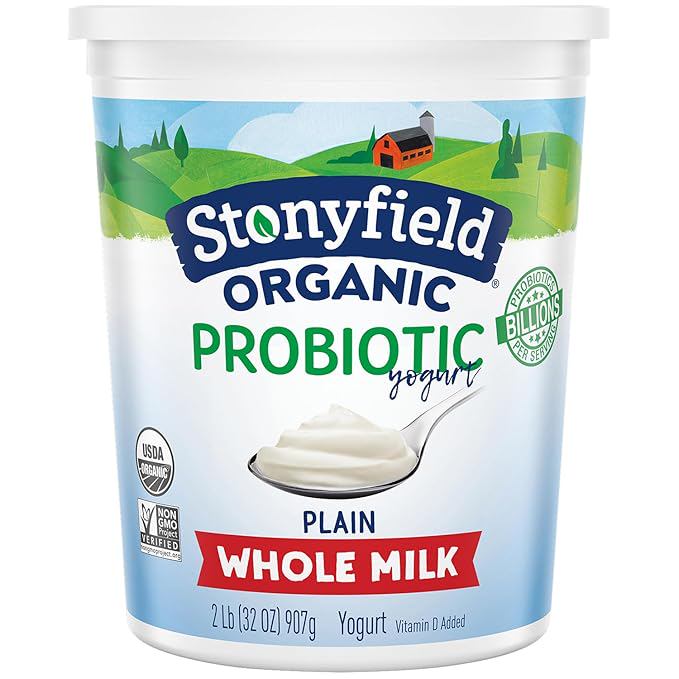
- Yogurt and kefir: fermented dairy products that carry multiple strains of bacteria. Kefir, being a liquid, often contains a broader range than yogurt.
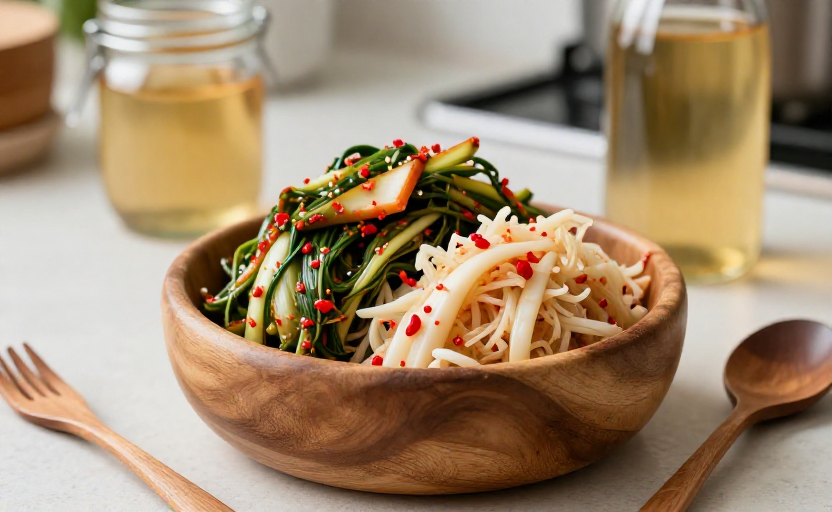
- Raw sauerkraut and kimchi: cabbage-based ferments packed with Lactobacillus. The crunch and tang signal that the bacteria are still active.
- Miso and tempeh: fermented soy products. Miso is a paste used in soups; tempeh is a firm cake with a nutty flavor. Both provide live cultures plus protein.
- Kombucha: fermented tea that contains a symbiotic culture of bacteria and yeast (SCOBY). It is milder than other ferments but still a practical entry point for many people.
Notice that bread (sourdough) and most commercial pickles are not on that list. Sourdough baking kills the bacteria, and store-bought pickles are typically pasteurized or made with vinegar, not live fermentation.
How much do you actually need?
A common mistake is treating fermented foods as a special "treatment" rather than a regular part of the diet. Short answer: consistency matters more than quantity. A tablespoon of sauerkraut with lunch or a small cup of kefir at breakfast, eaten most days, will give your gut a gradual, sustainable boost. There is no need to drink a whole bottle of kombucha in one sitting or eat an entire jar of kimchi. Start small — about a serving the size of your thumb — and see how your digestion responds. Some people experience temporary gas or bloating when they first introduce ferments, which usually subsides as the microbiome adjusts.
Can fermented foods help with specific gut issues?
Research suggests that regular consumption of live-culture fermented foods may help with occasional constipation, bloating, and general digestive discomfort. There is also emerging evidence that they support the gut-brain axis — the communication network between your intestines and your brain — which could influence mood and stress levels. However, fermented foods are not a cure for diagnosed conditions like irritable bowel syndrome (IBS) or inflammatory bowel disease (IBD). In fact, some people with histamine intolerance or severe IBS find that certain fermented foods trigger symptoms. Pay attention to your own body; if a food causes discomfort, stop and consult a healthcare provider.
Practical ways to add fermentation to your routine
You do not need to ferment your own vegetables (though it is cost-effective and simple once you learn). Start with one small change:
- Swap your afternoon snack for a few spoonfuls of plain kefir or yogurt with berries.
- Add a forkful of kimchi to rice bowls or scrambled eggs.
- Use a teaspoon of miso paste in salad dressings or soups — do not boil it, or you will kill the live cultures.
- Drink a small glass of kombucha in place of soda or juice once a day.
These are not big commitments, but over weeks they build a pattern of microbial diversity that supports overall wellness. Think of it as adding one more color to your diet palette, not a complete overhaul.
A note on safety and quality
If you choose to buy fermented products, look for them in the refrigerated section. Heat kills probiotics, so shelf-stable jars are often pasteurized after fermentation. Also, check the ingredient list: you want simple ingredients — cabbage, salt, water — not long chemical names or added sugars. For homemade ferments, follow recipes carefully to avoid contamination. If the smell or appearance seems off, discard it. Trust your nose.
For most healthy adults, fermented foods are a safe, pleasant addition to a balanced diet. They offer a low-cost, practical way to support your gut without buying expensive supplements. The key is to be patient and stay consistent. Your microbiome will thank you, one tangy bite at a time.