
You lace up for a long run, a century ride, or a marathon swim, knowing your heart and lungs will get a serious workout. But there is another organ system that often gets overlooked during endurance training: your gut. Many athletes have felt the familiar lurch of nausea, cramping, or an urgent need to find a restroom mid-workout. This isn't just bad luck—it's a predictable physiological response to sustained, high-intensity movement.
Understanding why endurance exercise can stress the gut lining is important for anyone who trains consistently. The relationship between exertion and digestion is complex, but the core mechanisms are becoming clearer. Let's walk through what happens, why it matters for your health and performance, and what practical steps you can take to protect your gastrointestinal tract without derailing your training.
The Body's Blood Flow Redistribution During Exercise
When you start running or cycling at a steady, hard pace, your body prioritizes blood supply. Your working muscles—your legs, glutes, and core—demand more oxygen and nutrients. Your heart pumps harder, and blood vessels in those muscles dilate to accommodate the increased flow. To meet this demand, the body constricts blood vessels in non-essential areas, including the digestive system.
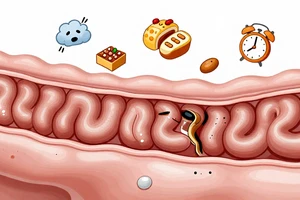
This is a survival mechanism, but it comes with a cost. The mesenteric arteries, which supply the intestines, can experience a significant reduction in blood flow—sometimes by 60 to 80 percent during maximal effort. This state is called splanchnic hypoperfusion. When the gut receives less oxygen-rich blood, the cells lining the intestinal walls become vulnerable.
Ischemia and Gut Barrier Function
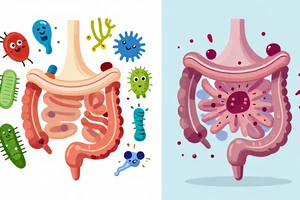
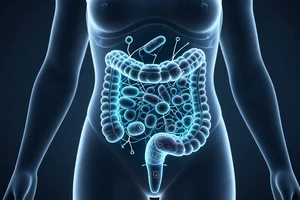
When oxygen levels drop in the intestinal tissue, a condition called gut ischemia can develop. The cells that make up the intestinal barrier, connected by tight junction proteins, begin to struggle. Normally, these junctions act as a selective sieve, allowing nutrients to pass through while keeping larger molecules, bacteria, and toxins inside the gut lumen. Under ischemic stress, those junctions loosen. This increased permeability is often referred to colloquially as "leaky gut," though the precise medical term is increased intestinal permeability.
For endurance athletes, this is not a theoretical concern. Research using blood and urine markers has shown that a single bout of intense, prolonged exercise can temporarily compromise the gut barrier. The immediate consequence is that bacterial fragments, such as lipopolysaccharides (LPS) from the cell walls of certain gut bacteria, can slip into the bloodstream.
The Inflammatory Cascade and Endotoxemia
Once LPS enters the circulation, the immune system recognizes it as a threat. This triggers an inflammatory response. The body releases cytokines, which are signaling molecules that promote inflammation. This process is similar to what happens during an infection, which is why some athletes feel almost flu-like after a very hard event. This condition is known as exercise-induced endotoxemia.
Symptoms can include nausea, brain fog, fatigue, and general gastrointestinal distress. The inflammatory response is the body trying to neutralize the LPS, but it can also add to the overall stress on the system. This is a key reason why recovery from a long endurance event involves not just muscle repair, but also gut recovery.
A temporary rise in gut permeability during a marathon is a normal physiological stressor, not a chronic disease. The body is designed to recover from this, provided you give it the right conditions.
Heat Stress and Dehydration Amplify the Problem
Exercise in hot or humid conditions compounds the strain on the gut lining. When core body temperature rises, the body shunts even more blood to the skin for cooling. This further reduces blood flow to the intestines. Dehydration also thickens the blood, making it harder for the circulatory system to deliver oxygen to the gut cells.
Studies have shown that the combination of high heat and moderate-intensity exercise produces more markers of intestinal permeability than the same exercise performed in a cool environment. For athletes who train in summer or in hot climates, managing body temperature is closely tied to gut health.
Mechanical Stress from Repetitive Impact
There is also a purely mechanical component. Running, in particular, involves repetitive vertical oscillation. Your organs bounce within the abdominal cavity. This can physically jostle the intestines, causing microtrauma to the delicate lining. The mesentery—the tissue that anchors the intestines—can be stretched and irritated by this repeated motion.
This is less of a factor in non-weight-bearing endurance activities like swimming or stationary cycling, but the ischemic stress described earlier still applies to those sports. Runners often experience more direct gastrointestinal symptoms like side stitches or cramping due to this mechanical agitation.
Fueling Strategies and Their Impact on the Gut
What you eat and drink during exercise plays a major role in how your gut handles the stress. Highly concentrated sugar solutions, such as some energy gels and sports drinks, draw water into the gut via osmosis. This can lead to bloating and diarrhea if the gut is already compromised. Similarly, a meal high in fiber or fat eaten too close to a workout can sit in the stomach undigested, causing discomfort.
The goal during endurance exercise should be to provide fuel that is easy to absorb. Products that combine multiple transportable carbohydrates—glucose and fructose in a specific ratio—are generally better tolerated because they use different absorption pathways. However, even the best fuel can cause issues if the gut lining is already under significant ischemic stress.
Here are some practical tips for reducing gut stress during training:
- Practice your fueling during training, not on race day. Your gut adapts to the types and timing of fuel you use. Experiment during long training sessions.
- Stay hydrated, but do not over-drink. Sip water and electrolyte drinks steadily. Drinking huge volumes at once can overwhelm the stomach and worsen nausea.
- Avoid high-fiber and high-fat foods in the 2 to 3 hours before a long session. These foods slow gastric emptying and increase the risk of cramping.
- Consider using glucose-galactose or glucose-fructose blends. These are design to maximize absorption without as much gut distress as single-source sugar.
- Cool down effectively. After a hard effort, do not sit immediately. A light walk or gentle spinning helps restore blood flow to the gut gradually.
Recovery and Supporting the Gut Lining
After a hard workout or competition, the gut lining needs time to repair. The body has robust mechanisms for this. Tight junction proteins are reorganized, blood flow to the intestines returns to normal, and the immune system clears any LPS that entered the circulation. Proper recovery includes general rest, adequate sleep, and nutrition.
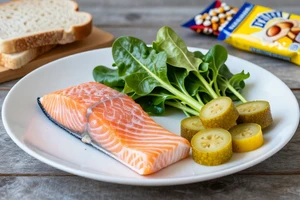
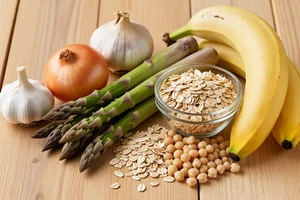
From a nutritional standpoint, focusing on whole foods rich in glutamine, zinc, and polyphenols may support gut repair, though supplements should be discussed with a healthcare provider. Glutamine is an amino acid that serves as a primary fuel source for intestinal cells. Oats, chicken, fish, and spinach are natural sources. Polyphenols found in foods like berries, green tea, and dark chocolate can help modulate the inflammatory response. What matters most, however, is consistency over the long term—eating a diverse diet that supports a healthy microbiome will make you more resilient to the temporary stresses of training.
Most importantly, persistent or severe gastrointestinal symptoms are not normal. If you experience blood in your stool, chronic diarrhea, or sharp abdominal pain that doesn't resolve with rest, it is essential to consult a gastroenterologist. While transient gut stress is a known part of endurance training, serious underlying conditions can be masked by the assumption that it is just part of the sport.
Understanding the science behind why endurance exercise stresses the gut lining helps you train smarter. It is not about avoiding the stress—the stress is what drives adaptation. It is about managing it wisely so that your gut recovers and performs right alongside your heart and muscles.