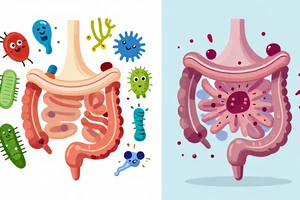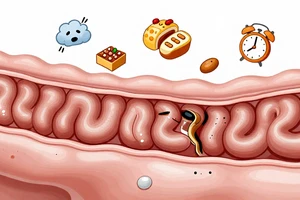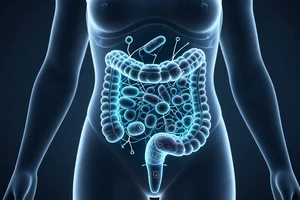

Leaky gut, or increased intestinal permeability, is a condition that has gained significant attention in digestive health. While it is not a formal medical diagnosis, many practitioners and researchers agree that a compromised gut barrier can allow undigested food particles, toxins, and microbes to pass into the bloodstream, potentially triggering inflammation and immune reactions. If you are trying to support a healthy gut lining, one of the most actionable steps you can take is identifying which foods may be contributing to the problem.
The goal of this guide is not to prescribe a rigid elimination diet, but to give you a reliable framework for recognizing common dietary triggers. Every digestive system is different, but certain foods are consistently implicated in gut barrier dysfunction. Here is how to spot them in your daily diet and what to do next.
How do certain foods contribute to leaky gut?
The lining of your intestines is a single layer of cells held together by tight junction proteins. Think of these junctions as the gatekeepers that decide what passes through. Certain compounds in food—and byproducts of digestion—can loosen these junctions or inflame the cells, making the barrier leaky. The main culprits often fall into a few categories: substances that trigger inflammation, those that directly affect the tight junctions, and those that alter your gut microbiome in ways that weaken the barrier.
The biggest triggers to look for
1. Refined and processed foods
A diet high in refined sugars, white flour, and processed seed oils is problematic for several reasons. Refined carbohydrates (like white bread, pastries, and sugary drinks) feed less-beneficial bacteria and yeast in the gut, leading to an imbalance known as dysbiosis. When this imbalance occurs, gut inflammation often follows, and the tight junctions can become compromised. Added emulsifiers in processed foods—such as carboxymethylcellulose or polysorbate 80—have been shown in early research to directly disrupt the mucus layer that protects the gut lining, making it easier for irritants to reach the cells.
2. Alcohol
Alcohol is a direct irritant to the gastrointestinal lining. It increases intestinal permeability by altering the structure of tight junction proteins. Binge drinking or daily consumption of even moderate amounts can quickly impair the gut barrier. If you are working on gut repair, reducing or eliminating alcohol for a period of time is one of the most effective steps you can take.
3. Gluten and certain lectins
Gluten, a protein found in wheat, barley, and rye, triggers the release of a protein called zonulin in some individuals, which directly increases intestinal permeability. While this is most pronounced in people with celiac disease, many with non-celiac gluten sensitivity also experience this effect. Similarly, lectins (proteins in legumes, grains, and nightshade vegetables) can bind to gut cells and interfere with repair. However, the impact of lectins depends heavily on preparation: soaking, sprouting, and cooking can neutralize most of their harmful effects, making foods like lentils and beans perfectly acceptable for many people.
A simple rule: whole, unprocessed foods that agree with you are likely gut-supporting. Foods that leave you bloated, foggy, or inflamed are worth investigating.
4. Dairy products
Dairy is a two-part issue. Lactose, the sugar in milk, can cause fermentation and inflammation in those who are lactase-deficient (a huge proportion of the global population). Additionally, the protein casein, particularly A1 beta-casein found in most conventional cow's milk, may promote inflammation in sensitive individuals. Some find that fermented dairy like yogurt or kefir, or products from A2 cows or goats, are far better tolerated. Pay attention to how your body responds to a glass of milk versus a spoonful of plain yogurt.
What about common inflammatory additives?
Beyond whole food categories, many people overlook the additives in condiments, sauces, and packaged snacks. Artificial sweeteners such as aspartame, sucralose, and saccharin can alter gut bacteria and may damage the mucus barrier over time. High-fructose corn syrup is particularly problematic because it overworks the liver and feeds pathogenic gut microbes.
How to test your tolerance
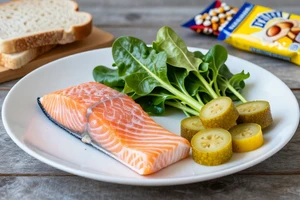
You don’t need a blood test to get started—though some functional medicine labs offer tests for zonulin or intestinal permeability markers. The most practical and reliable method is a temporary elimination diet. For two to three weeks, remove the most common triggers mentioned above: refined sugar, alcohol, gluten, conventional dairy, added emulsifiers, and artificial sweeteners. Replace them with whole foods—vegetables, lean proteins, healthy fats, and well-cooked grains like white rice or quinoa. After the elimination period, reintroduce one food group at a time every three days. Note any changes in digestion, energy, skin clarity, or brain fog.
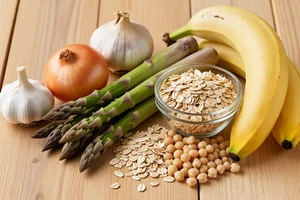
This process does more than just identify triggers. It also gives your gut lining time to begin repairing, especially when combined with gut-supportive habits like eating a diverse range of soluble fibers (found in oats, bananas, and cooked carrots) and polyphenol-rich foods (berries, green tea, and dark chocolate).
Are there any safe versions of these foods?
Sometimes the answer is about preparation rather than avoidance. Sourdough bread made from fermented, sprouted grains may be far lower in gluten and lectins than standard bread. Organic dairy from grass-fed A2 cows or goats may be less inflammatory for those with casein sensitivity. Fermented vegetables and properly soaked legumes are usually much gentler on the gut than their raw or canned counterparts. The key is to focus on food quality and how you personally respond, rather than following a blanket list of “bad” foods.
When to seek professional guidance
If you suspect you have leaky gut or a related condition, and especially if you experience persistent symptoms like abdominal pain, diarrhea, joint pain, or severe food sensitivities, consulting with a registered dietitian or a functional medicine practitioner is wise. This guide is for educational purposes and general awareness. Some people require a more structured protocol or testing to fully address underlying infections, small intestinal bacterial overgrowth (SIBO), or other digestive conditions that mimic or exacerbate leaky gut.
Becoming your own detective, with a food journal and a willingness to experiment with your diet, is often the safest and most informative first step. The goal is not perfection, but an ongoing awareness of which foods support your gut barrier and which ones challenge it.