
The concept of 'leaky gut' has moved from fringe wellness circles into mainstream health conversations. It sounds alarming — and the idea that your intestinal lining might be 'leaking' toxins into your bloodstream is enough to make anyone anxious. But what do dietitians actually think about this condition, and what role do specific foods play?
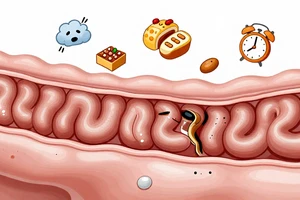
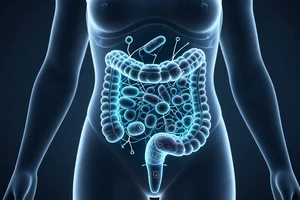
Let’s start with a calming dose of reality. Leaky gut — medically referred to as increased intestinal permeability — is a real physiological phenomenon. However, it is not a formal medical diagnosis for most people. Every human gut has some degree of permeability; it’s how nutrients pass from your intestines into your bloodstream. Problems arise when that barrier becomes too loose, allowing larger particles like partially digested food, bacteria, or waste products to slip through, which can trigger inflammation and immune reactions.
Certified dietitians take a measured approach: they don’t chase fads, but they do acknowledge that diet plays a foundational role in maintaining the integrity of that gut barrier. Below, we break down exactly what the research says and which foods dietitians most often suggest limiting or avoiding if you suspect gut permeability issues.
What is leaky gut, really?
Your intestinal lining is a single layer of cells held together by tight junction proteins — think of them as security guards that decide what gets through. When these junctions loosen, the barrier becomes more porous. This can happen due to chronic stress, excessive alcohol use, certain medications, or an unbalanced diet.
While leaky gut itself isn’t a recognized disease, it’s linked to conditions like irritable bowel syndrome (IBS), celiac disease, Crohn’s disease, and even some autoimmune disorders. The key nuance: gut permeability is usually a symptom of an underlying issue, not the root cause itself. Addressing that root cause — often through diet — can help restore the barrier.
Foods dietitians most commonly flag
No single food causes leaky gut overnight. But certain foods are known to irritate the gut lining, feed problematic bacteria, or provoke immune responses that loosen tight junctions over time.
1. Excessive alcohol and caffeine
You don’t need to eliminate your morning coffee. However, dietitians note that excessive alcohol directly damages tight junctions, and very high caffeine intake can increase intestinal permeability in sensitive individuals. Moderation is the operative word — one coffee and an occasional drink are generally fine, but daily heavy consumption may be problematic.
2. Processed foods and refined sugars
These are the heavy hitters. Foods loaded with refined sugar, high-fructose corn syrup, and artificial additives promote the growth of pathogenic gut bacteria and yeast. An overgrowth can weaken the gut lining. Dietitians often recommend cutting back on sugary snacks, sodas, and processed pastries first — before worrying about healthy whole foods like gluten or dairy.
A practical tip from dietitians: Instead of trying to eliminate everything at once, start by replacing one processed snack per day with a whole food like a piece of fruit or a handful of nuts.
3. Gluten in sensitive individuals
For people with celiac disease or non-celiac gluten sensitivity, gluten triggers an immune reaction that can increase zonulin — a protein that directly opens tight junctions. If you don’t have a diagnosed sensitivity, there’s no strong evidence that a gluten-free diet prevents leaky gut. But if you experience bloating, fatigue, or brain fog after eating wheat, it may be worth trialing a gluten-free diet under a dietitian’s guidance.
4. Conventional dairy
The issue here is often the protein A1 beta-casein found in conventional cow’s milk. Some people react to it with inflammation, which can contribute to gut permeability. Dairy sensitivity is individual — some people tolerate yogurt and kefir (which supply probiotics) better than milk. Dietitians sometimes suggest switching to A2 milk, lactose-free dairy, or goat’s milk if sensitivity is suspected.
5. Vegetable and seed oils high in omega-6
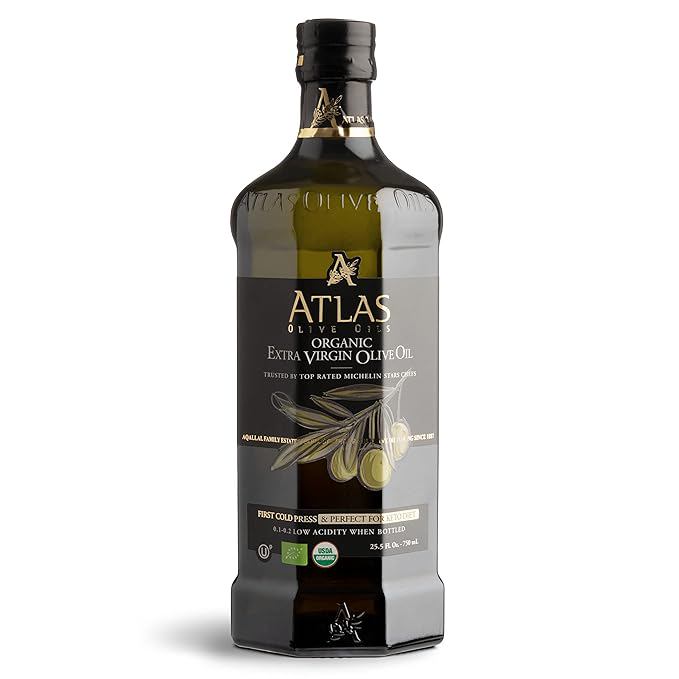
Industrial oils like soybean, corn, and sunflower oil are high in omega-6 fatty acids. While some omega-6 is essential, a heavy imbalance toward omega-6 and away from omega-3 promotes a pro-inflammatory environment in the gut. Dietitians generally recommend cooking with olive oil, avocado oil, or coconut oil instead.
The foods that support the gut barrier
It’s not just about what you avoid — it’s also about what you actively add. A gut-supportive diet is rich in whole, unprocessed foods that feed beneficial bacteria and supply nutrients for repair.
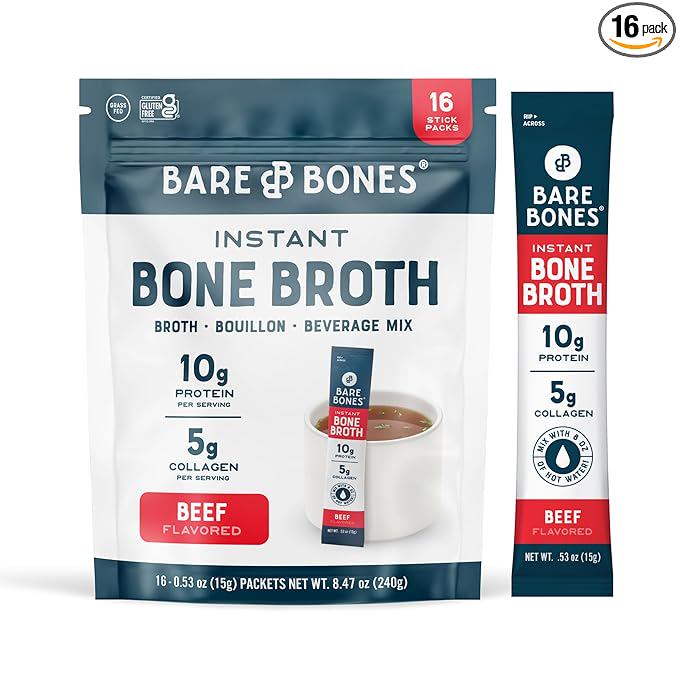
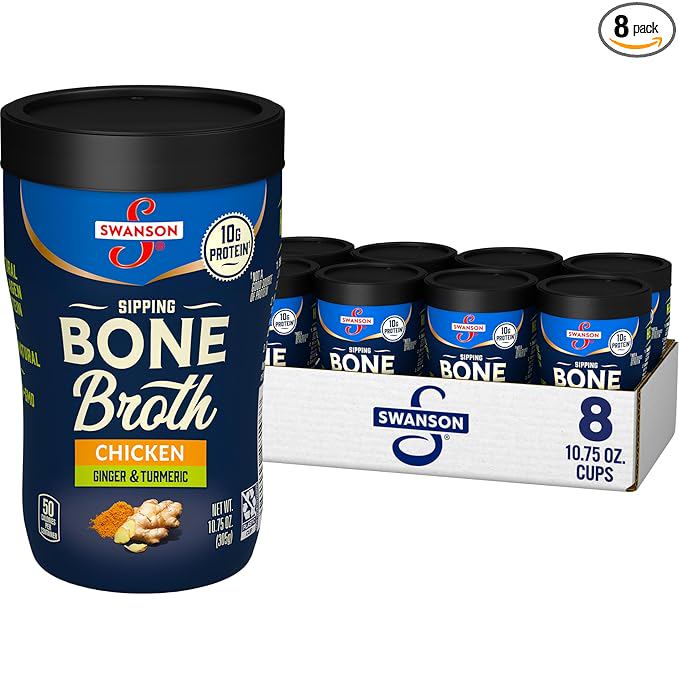
- Bone broth and collagen: These are rich in glutamine, glycine, and proline — amino acids that help repair the gut lining. You can find these in homemade bone broth or as supplements, though food sources are generally preferred.
- Fermented foods: Sauerkraut, kimchi, kombucha, yogurt, and kefir provide live bacteria (probiotics) that can help restore balance. Dietitians suggest starting with small servings to avoid gas or bloating.
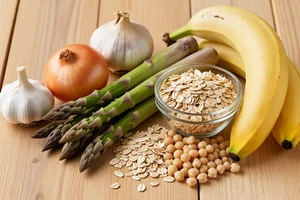
- Soluble fiber from oats, sweet potatoes, and carrots: This type of fiber acts as a prebiotic — feeding good bacteria. It also helps bulk up stool, reducing the time waste spends in contact with the gut lining.
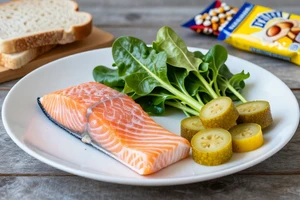
- Omega-3-rich fish: Salmon, mackerel, and sardines supply omega-3 fatty acids that reduce inflammation and support tight junction function.
How to approach dietary changes safely
If you suspect you have leaky gut symptoms — bloating, gas, fatigue, food sensitivities, or joint pain — don’t go on a drastic elimination diet alone. Restricting too many foods at once can lead to nutrient deficiencies and unnecessary stress.
Most dietitians recommend a phased approach: remove the biggest offenders (refined sugar, processed foods, excessive alcohol) for two to four weeks, then reintroduce one food group at a time while tracking symptoms. This gives you clear data about what your gut can handle.
If symptoms persist or are severe, consult a gastroenterologist or registered dietitian who can rule out conditions like IBS, SIBO, or celiac disease. Leaky gut is often the messenger, not the illness.
This article is for educational purposes only and does not replace medical advice. Always consult a qualified healthcare professional before making significant dietary changes.