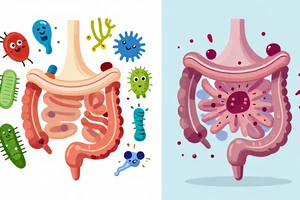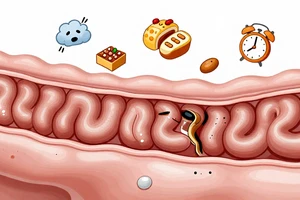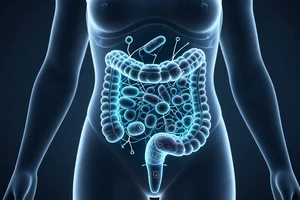

Your gut does more than digest food. It acts as a selective barrier, deciding what gets absorbed into your bloodstream and what stays out. When that barrier becomes compromised — a condition often referred to as increased intestinal permeability or leaky gut — particles like undigested proteins, toxins, and bacteria can slip through, potentially triggering inflammation and immune responses throughout your body.
While leaky gut isn't a formal medical diagnosis recognized by all clinicians, many functional medicine and gastroenterology experts acknowledge its role in digestive issues, food sensitivities, and systemic inflammation. The good news? Your gut lining has remarkable regenerative capacity. Small, consistent daily habits can support its integrity and function without resorting to extreme protocols or restrictive diets.
Here are three evidence-informed habits you can start today to help manage leaky gut naturally.
1. Prioritize a Gut-Healing Morning Routine
How you start your day sets the tone for your digestive system. After a night of fasting, your gut is primed for nourishment, not assault. A strategic morning routine can support the mucosal lining and the beneficial bacteria that protect it.
Start with warm water and lemon or herbal tea. A glass of warm water upon waking helps rehydrate your system and gently stimulates peristalsis — the wave-like muscle contractions that move waste through your colon. Adding a squeeze of lemon provides vitamin C, a cofactor for collagen production, which is a key structural component of the gut lining. For an extra soothing effect, consider a cup of ginger or chamomile tea, both known for their anti-inflammatory and antispasmodic properties.
Time your first meal mindfully. Give your body at least 30 minutes after waking before eating. This allows the migrating motor complex — a pattern of electrical activity in your gut muscles — to complete its final sweep of undigested debris and bacteria from the small intestine. When you do break your fast, choose a meal that's gentle and nutrient-dense: think a smoothie with collagen peptides, spinach, a small amount of low-sugar fruit, and a tablespoon of flaxseeds or chia seeds for soluble fiber, which feeds beneficial bacteria.
Quick tip: Avoid coffee on an empty stomach if you have a sensitive gut. Its acidity can irritate the lining. If you must have it, pair it with a small, fat-containing snack like a handful of almonds.
2. Rotate and Diversify Your Fiber Sources
Fiber is the primary fuel for your gut microbiome. But not all fiber is created equal, and dumping the same fibrous foods into your system day after day can backfire. A diverse microbiome — one that's linked to better barrier function — requires a diverse array of fermentable fibers.
The problem with a narrow fiber repertoire. If you rely solely on oatmeal and bananas every single morning, you're feeding only a limited subset of bacterial species. Over time, this can lead to an imbalance where certain bacteria overgrow while others starve. Instead, aim to consume at least 20 to 30 different plant foods per week. This doesn't have to be complicated. A single salad can contain lettuce, tomatoes, cucumbers, bell peppers, carrots, and pumpkin seeds — that's six different plant sources right there.
Focus on variety in each meal. Include a mix of soluble fibers (found in oats, apples, carrots, and psyllium) which form a gel-like substance that slows digestion and supports the mucus layer, and insoluble fibers (found in leafy greens, nuts, and whole grains) which add bulk and help move waste out. Fermented foods add another layer of benefit by directly introducing live, beneficial microbes. A tablespoon of sauerkraut, kimchi, or a few sips of kefir with a meal can inoculate your gut with strains that help reinforce the tight junctions between intestinal cells.
- Rotate your grains: Instead of wheat every day, try brown rice, quinoa, millet, amaranth, or buckwheat.
- Vary your vegetables: Include a root vegetable at one meal and a cruciferous vegetable at the next.
- Use herbs and spices: Turmeric, ginger, oregano, and cinnamon are concentrated plant sources that also provide anti-inflammatory compounds.
3. Manage Stress and Sleep for Vagal Tone
Your gut is wired directly to your brain through the vagus nerve — a superhighway of communication that influences everything from heart rate to digestion. When you're chronically stressed or sleep-deprived, your sympathetic nervous system dominates, shunting blood flow away from your digestive organs and impairing the function of the tight junctions in your gut lining.
Build a deliberate wind-down routine. Aim to dim lights and put away screens at least 60 minutes before bed. Blue light suppresses melatonin, which not only governs sleep but also acts as a potent antioxidant in the gut. A magnesium glycinate supplement (taken under guidance from a healthcare professional) can help relax both muscles and nerves. A warm bath with Epsom salts provides a double benefit: magnesium absorption through the skin and a drop in core body temperature afterward that signals your body it's time to sleep.
Practice deep, slow breathing. The vagus nerve responds beautifully to slow, rhythmic exhalations. A simple technique: inhale for a count of four, hold for seven, and exhale for eight. Doing this for just two minutes before meals and before bed can shift your nervous system into a parasympathetic — or rest-and-digest — state. This helps your gut produce adequate digestive enzymes and maintain the mucus barrier that protects its lining.
Schedule guilt-free rest. Harder to do in a busy life, but 7 to 9 hours of quality sleep per night is non-negotiable for gut repair. During deep sleep, your body releases growth hormone, which stimulates cell turnover and repair throughout the body, including the intestinal lining. Chronic sleep deprivation has been shown to increase intestinal permeability directly, even in otherwise healthy people.
While these three habits form a solid foundation, it's important to remember that leaky gut often coexists with other underlying issues — such as food intolerances, infections, or imbalances in stomach acid or bile flow. If you experience persistent bloating, fatigue, joint pain, or skin issues alongside digestive complaints, working with a functional medicine practitioner or registered dietitian can help you identify root causes and tailor these habits to your unique situation.
Patience is key. The intestinal lining turns over every 3 to 5 days, but deeper healing of the microbiome and immune system takes weeks to months. Consistency with these daily habits gives your body the steady support it needs to rebuild, rather than just covering up symptoms.