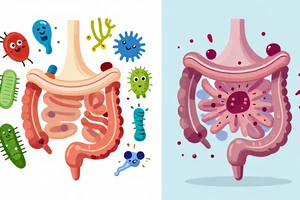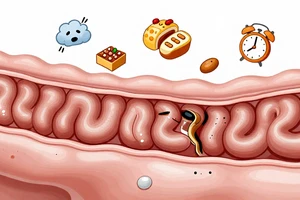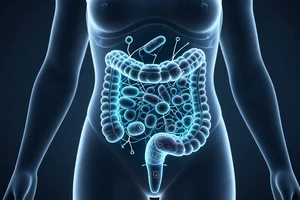

If you're navigating leaky gut syndrome, you're likely already paying close attention to what's on your plate. But what about your glass? The beverages you choose can either support the delicate lining of your intestines or further irritate it. For anyone managing increased intestinal permeability—the technical term for leaky gut—certain drinks can act as direct triggers, promoting inflammation and disrupting the gut microbiome.
While individual triggers vary, three categories of beverages consistently show up in both clinical research and patient reports as problematic. Here’s what to know about why they matter and how they affect the gut barrier.
Why Alcohol Is a Triple Threat to the Gut Lining
Alcoholic drinks are perhaps the most well-documented disruptors of gut barrier function. Even moderate intake can loosen the tight junctions between intestinal cells—the very structures that become compromised in leaky gut. This allows larger, undigested particles and bacterial toxins to pass into the bloodstream.
Beyond directly damaging tight junctions, alcohol alters the gut microbiome by feeding pro-inflammatory bacteria while depleting beneficial strains like Lactobacillus and Bifidobacterium. It also increases oxidative stress in the lining of the small intestine, compounding the damage over time.
If you choose to drink at all, clear spirits in small amounts are generally less irritating than beer, wine, or sugary cocktails. However, many gut-health experts suggest that a complete break from alcohol for at least 30 days gives the intestinal lining a genuine chance to repair.
Sugary Sodas and Fruit Juices: Feeding the Fire
Drinks loaded with added sugar—particularly high-fructose corn syrup—are another major concern. Fructose, especially when consumed in large amounts, exerts osmotic pressure in the gut, drawing water into the intestinal tract and altering the environment for gut bacteria.
This can promote the overgrowth of Candida yeast and pathogenic bacteria, both of which produce substances that directly damage the intestinal barrier. A growing body of evidence shows that long-term consumption of high-sugar beverages increases gut permeability even in people who don't have a diagnosed condition.
Even seemingly innocent options like orange juice or apple juice deliver a high sugar burden without the beneficial fiber found in whole fruit. For someone with leaky gut, substituting these with water infused with cucumber or lemon slices—or opting for low-sugar kombucha—can reduce the glycemic load while providing some beneficial microbes.
A useful swap: Replace sweetened drinks with unsweetened herbal teas. Ginger, peppermint, and chamomile teas each have soothing and anti-inflammatory properties that can support gut healing.
Dairy-Based Beverages: The Case of Conventional Milk
It's not just the lactose that makes dairy problematic—though lactose intolerance is common alongside leaky gut. The bigger issue for many people is the protein structure in cow's milk, particularly A1 beta-casein. Unlike A2 casein (found in goat, sheep, and some specialty cow's milk), A1 casein can release an opioid-like peptide called beta-casomorphin-7 (BCM-7) during digestion. BCM-7 has been shown in studies to promote inflammation and contribute to gut mucus production issues, both of which can exacerbate intestinal permeability.
Dairy latte drinks, milk shakes, and protein shakes made with whey concentrate can all trigger this cascade. Because leaky gut often coexists with food sensitivities, even a low-lactose or lactose-free milk can still cause issues due to the casein content.
Unsweetened almond milk, coconut milk, or oat milk are gentler alternatives that don’t carry the same inflammatory protein load. For those who tolerate fermented dairy, small amounts of kefir or plain yogurt may actually support gut healing thanks to their probiotic content—but this is highly individual.
Putting It All Together
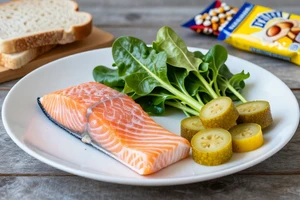
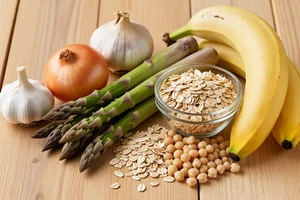
There's no one-size-fits-all protocol for leaky gut, but steering clear of alcohol, sugary drinks, and conventional dairy-based beverages gives your gut a distinct advantage. Replacing these with water, herbal tea, and bone broth provides hydration, anti-inflammatory compounds, and collagen precursors that support the integrity of the intestinal lining.
When you reintroduce foods and drinks, proceed slowly—ideally one at a time—and note how your body responds. The goal isn't perfection but rather a pattern that consistently supports barrier function, microbiome diversity, and lower systemic inflammation.