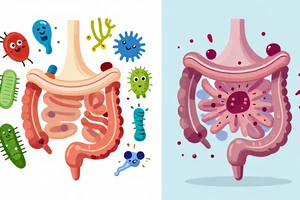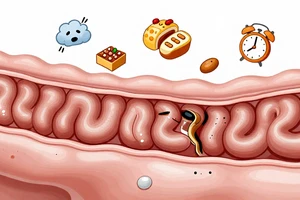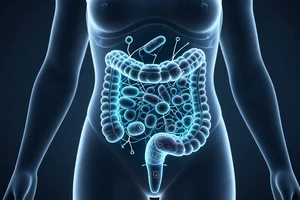

Your gut barrier is a sophisticated gatekeeper. When functioning well, it allows essential nutrients to pass through your intestinal lining into your bloodstream while keeping toxins, pathogens, and undigested food particles out. But modern habits can quietly disrupt this critical defense system. The result? Increased intestinal permeability—often called leaky gut—along with inflammation and discomfort.
Small, day-to-day choices add up. Here are five common mistakes that can erode your gut barrier over time, along with realistic strategies to support it.
1. Overusing antibiotics and NSAIDs without need
Antibiotics save lives by killing harmful bacteria, but they also wipe out beneficial microbes in your gut. A healthy microbial ecosystem helps maintain the integrity of the gut lining. When that balance is disrupted, the barrier can weaken. Nonsteroidal anti-inflammatory drugs (NSAIDs) like ibuprofen and aspirin, when taken regularly, can directly irritate the intestinal lining and increase permeability.
This doesn't mean you should avoid medication when you truly need it. But if you're popping NSAIDs for every minor ache or taking antibiotics for viral infections (which they can't treat anyway), you may be harming your gut unnecessarily. Always follow medical guidance and ask if there's a shorter course or alternative available.
2. Skimping on fiber and living on processed foods
The standard Western diet is notoriously low in fiber. Processed foods, refined sugars, and artificial additives leave little room for the plant-based roughage your gut microbes rely on. When your gut bacteria don't get enough soluble fiber, they start feeding on the protective mucus layer that lines your intestine. Over time, this thins the barrier and makes it easier for unwanted substances to slip through.
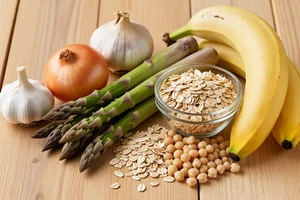
Aim for at least 25–30 grams of fiber daily from whole foods like oats, beans, lentils, apples, carrots, and leafy greens. Your gut microbes convert that fiber into short-chain fatty acids—especially butyrate—which directly nourish the cells of your gut lining.
It's not about being perfect. Even a gradual increase in fiber-rich meals can help restore microbial balance and support barrier function.
3. Chronic stress and poor sleep patterns
The gut and brain are in constant conversation through the vagus nerve and chemical messengers. When you're under persistent stress, your body releases cortisol, which can increase intestinal permeability. Sleep deprivation amplifies this effect. Research shows that even a few nights of poor sleep can alter the gut microbiome and raise markers of inflammation.
You can't eliminate stress entirely, but you can build in recovery. Simple practices like a short walk after dinner, turning off screens an hour before bed, and aiming for 7–8 hours of consistent sleep give your gut barrier a chance to repair itself overnight.
4. Drinking too much alcohol
Alcohol, especially in large amounts, directly damages the tight junctions between intestinal cells. These junctions form the physical seal of the gut barrier. When they loosen, the barrier becomes leaky. Alcohol also alters the composition of gut bacteria, encouraging the growth of less beneficial strains that produce inflammatory byproducts.
If you drink, moderation is key. For healthy adults, that means up to one drink per day for women and up to two for men, per current dietary guidelines. Even several consecutive alcohol-free days each week can give your gut relief and time to strengthen its defenses. Some data also suggests that compounds in red wine, like polyphenols, may partially offset harm—but the overall effect of heavy drinking remains negative.
5. Eating a diet low in gut-supporting nutrients
Certain nutrients are essential for maintaining the structure and function of the gut barrier. Glutamine, an amino acid, serves as a primary fuel source for intestinal cells. Zinc supports tissue repair and tight junction integrity. Vitamin D helps regulate immune responses in the gut. A diet lacking these nutrients can leave the barrier vulnerable.
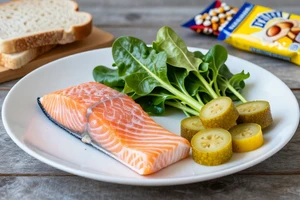
You don't need expensive supplements. Bone broth, eggs, and fish provide glutamine and zinc. Oysters, beef, and pumpkin seeds are rich sources of zinc. Fatty fish, fortified dairy, and time in sunlight cover vitamin D. If you have known deficiencies or a condition that impairs absorption, talk with a healthcare provider about targeted supplementation.
Protecting your gut barrier doesn't require a complete lifestyle overhaul. Start with one or two changes—swap a processed snack for an apple, add a five-minute wind-down routine, or go alcohol-free for a few days. Each small shift helps your gut lining repair and maintain its essential role.