Waking up sluggish and bloated, with that familiar heavy feeling in your lower abdomen, is a frustrating way to start the day. When chronic constipation has you in its grip, breakfast isn't just the most important meal—it's your first real chance to gently signal your digestive system that it's time to wake up and move. The right plate can work with your body's natural rhythms, while the wrong one can leave you feeling worse by noon.
The goal isn't a short-term fix or a harsh cleanse. It's about choosing foods that hydrate, lubricate, and provide the specific types of fiber that encourage regular, comfortable bowel movements. Here's a practical guide to building a breakfast that supports a sluggish gut, without resorting to extreme measures.
Why Does Chronic Constipation Affect Your Mornings?
Your body has a built-in gastrocolic reflex—a signal that tells your colon to make room when food enters your stomach. This reflex is strongest in the morning, especially after you've been lying down for the night. If your gut is already slow and backed up, that morning meal is your best lever for triggering a natural urge. If you skip breakfast or reach for low-fiber, processed options, you miss that window of opportunity, and your stool can become harder and drier as the day goes on.
The Three Pillars of a Constipation-Friendly Breakfast
A strategic morning meal addresses three key issues: bulk, moisture, and lubrication. Forget a single 'magic bullet'—you need a combination of elements.
1. Soluble Fiber for Gentle Bulk
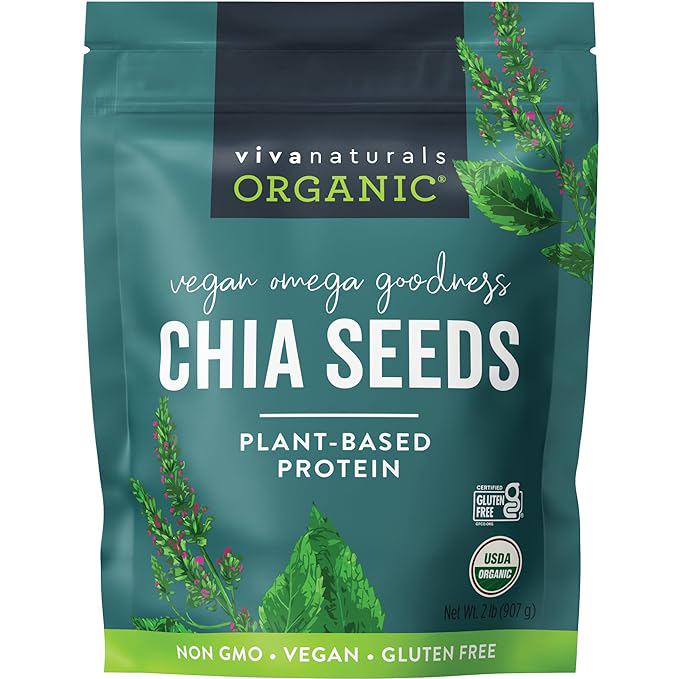
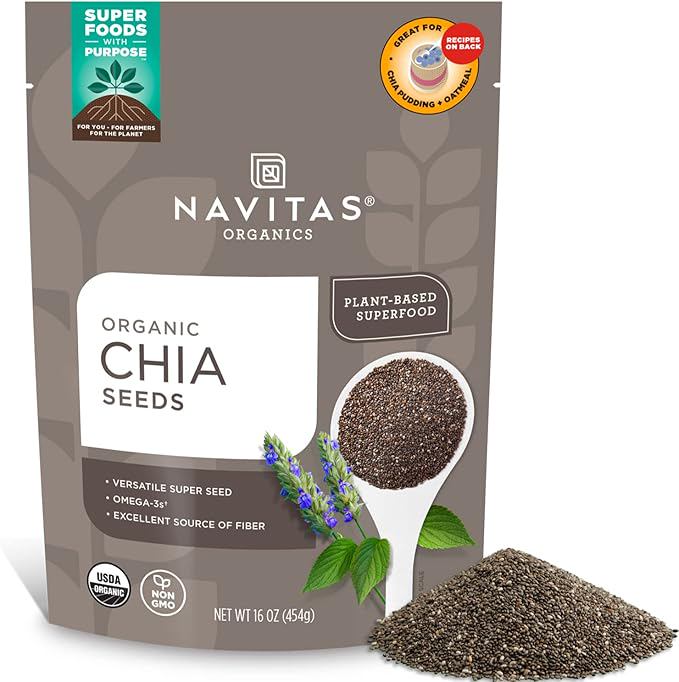
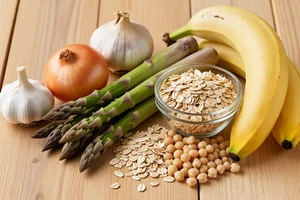
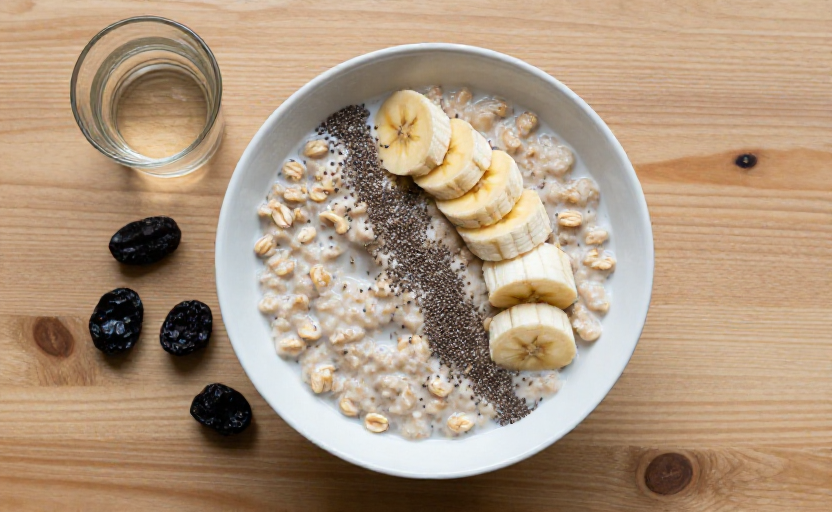
Soluble fiber absorbs water and forms a gel-like consistency, which softens stool and makes it easier to pass. Good morning sources include oats, apples (with the skin), bananas that are just ripe (not green), and chia seeds. A bowl of old-fashioned oatmeal with sliced apple and a sprinkle of cinnamon is a classic for good reason.
2. Insoluble Fiber for Movement and Bulk
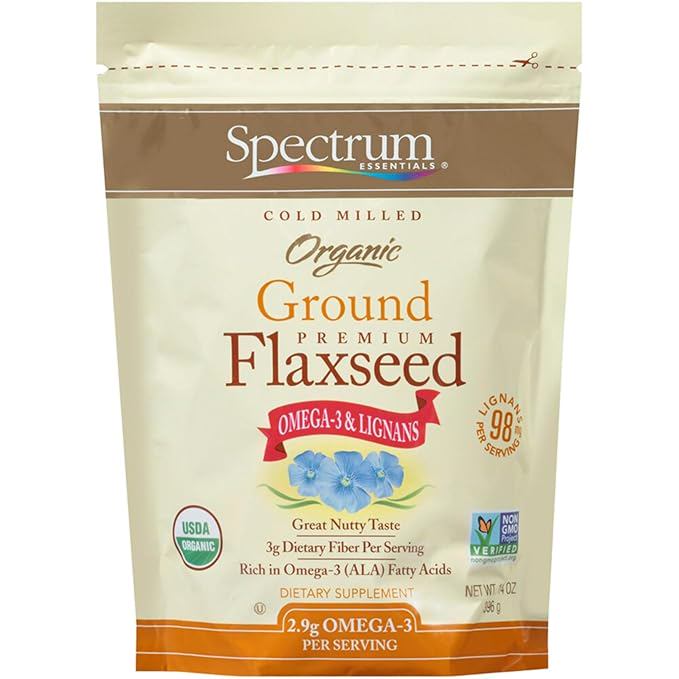
This type of fiber doesn't dissolve in water. Instead, it adds physical bulk to stool and helps it move through the intestines faster. Think whole grains, nuts, seeds, and the skins of fruits and vegetables. Bran flakes, a handful of walnuts, or a spoonful of ground flaxseed stirred into yogurt are direct ways to add this roughage.
3. Fluids and Healthy Fats
Fiber without water is like a dry sponge—it can actually make blockages worse. A glass of water with your breakfast is non-negotiable. Warm liquids, like herbal tea or hot water with lemon, are particularly soothing and can stimulate the digestive tract. Alongside that, healthy fats act as natural lubricants. Avocado on whole-grain toast, a drizzle of olive oil over cooked greens, or the good fats in chia seeds and nut butters all help ease the passage of stool.
A simple rule of thumb: every time you add a fiber-rich food to your plate, take a sip of water. They work as a team.
Breakfasts That Help (and a Couple That Don't)
Knowing what to choose is only half the battle. Let's look at specific options and common morning pitfalls.
Great Breakfast Ideas to Try
- Overnight oats with chia and berries. Combine rolled oats, chia seeds, unsweetened almond milk, and a handful of raspberries. Let it sit overnight. The chia seeds form a gel, and the berries provide both soluble and insoluble fiber.
- Whole-grain toast with avocado and a side of papaya. The avocado delivers healthy fat, and papaya contains the enzyme papain, which can aid protein digestion and has a gentle laxative effect for some people. Kiwi works well here, too.
- A smoothie with spinach, flaxseed, and pear. Spinach adds volume and magnesium, flaxseed offers fiber and omega-3s, and pear contains sorbitol and pectin, which can naturally pull water into your intestines.
- Prunes or prune juice. Prunes are the most studied food for constipation relief, largely due to their sorbitol and a compound called dihydroxyphenylisatin, which stimulates contractions in the colon. Start with 2-3 prunes (dried plums) on the side of your breakfast, or ¼ cup of unsweetened prune juice.
Breakfast Foods That Can Worsen Constipation
Not all popular breakfast items are helpful. If you struggle with chronic constipation, you might want to reconsider the following:
- Refined white-flour bagels, pastries, and pancakes. These are low in fiber and can cause stool to become hard and compact. If you eat bread, choose 100% whole-grain or sprouted-grain varieties with at least 3 grams of fiber per slice.
- Cheese-heavy omelets or scrambled eggs without vegetables. Eggs themselves aren't the enemy, but a diet heavy in cheese and low in vegetables can be binding. Balance your eggs with sautéed spinach, mushrooms, or diced tomatoes.
- Bananas that are green or under-ripe. Green bananas contain higher amounts of resistant starch, which can be difficult to digest and may contribute to bloating and constipation. Use ripe, spotted bananas instead.
Small Routine Adjustments for a Slow Gut
What you eat is crucial, but so is how you eat it. A few simple habit shifts can make your gut-friendly breakfast far more effective.
- Give yourself 20 minutes. Eating your breakfast in a rush while hunched over a phone activates the sympathetic nervous system (fight-or-flight), which inhibits digestion. Sit down, take a few breaths, and eat slowly.
- Start with a warm beverage. A cup of warm water, herbal tea, or a mild coffee (if it doesn't irritate you) can start nudging the digestive tract into motion before you even take your first bite of food.
- Consider a pre-breakfast 'movement trigger.' Some people find that a small, low-effort movement—like a gentle walk to the kitchen, a few seated twists, or a footstool during a morning bathroom sit—helps coordinate the muscles needed for a bowel movement.
A Sample Weekly Breakfast Plan
Here's a loose template you can follow. The idea is to rotate your fiber sources and keep hydration high.
- Monday: Bowl of oatmeal with 2 tablespoons of ground flaxseed, sliced banana, and a side of water.
- Tuesday: Smoothie with spinach, frozen pear, 1 tablespoon chia seeds, and unsweetened oat milk.
- Wednesday: Whole-grain toast with ¼ avocado, a poached egg, and 2 stewed prunes on the side.
- Thursday: Greek yogurt (plain) with ¼ cup bran flakes, a handful of almonds, and diced apple.
- Friday: Overnight oats with 1 tablespoon chia seeds, raspberries, and a spoonful of almond butter.
- Weekend: A bowl of fresh papaya and kiwi, plus a slice of whole-grain toast with a light spread.
When to Check in with a Professional
Dietary changes can work wonders, but chronic constipation sometimes points to an underlying issue—like a thyroid condition, pelvic floor dysfunction, or a side effect of medication. If you have tried consistent dietary and routine adjustments for two to three weeks without improvement, or if you notice blood, severe pain, or unintended weight loss, please speak with a healthcare provider. A specialist, such as a gastroenterologist or a registered dietitian who focuses on gastrointestinal health, can help create a plan tailored to your specific situation.