
Living with irritable bowel syndrome often feels like navigating a minefield at every meal. The bloating, the cramps, the urgent trips to the bathroom—they can turn eating into a source of anxiety rather than pleasure. You want relief, but the conflicting advice online makes it hard to know what actually works.
The good news is that for many people, targeted dietary changes can significantly calm symptoms. Dietitians who specialize in gut health don't usually recommend a single, strict diet. Instead, they focus on identifying your personal triggers while ensuring you still get the nutrients you need. Here is a practical, dietitian-backed look at what to put on your plate—and what to leave off—for better IBS control.
Why the Low-FODMAP Diet Often Comes First
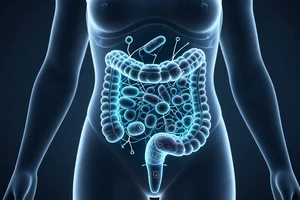
If you have mentioned IBS to a healthcare provider, you have likely heard about FODMAPs. These are short-chain carbohydrates that are poorly absorbed in the small intestine. When they reach the large intestine, gut bacteria ferment them rapidly, producing gas and drawing in water—a recipe for bloating and diarrhea in sensitive individuals.
The Low-FODMAP diet is not a permanent elimination diet. It is a three-phase process: restriction (cutting out high-FODMAP foods for 2–6 weeks), reintroduction (systematically testing foods to find your tolerance level), and personalization (creating a long-term diet that avoids only your specific triggers). This process should always be guided by a registered dietitian, as the restriction phase can be very challenging and may risk nutrient deficiencies if done improperly.
High-FODMAP foods commonly avoided during the initial phase include:
- Fruits: Apples, pears, mangoes, watermelon, and dried fruits (like dates and figs).
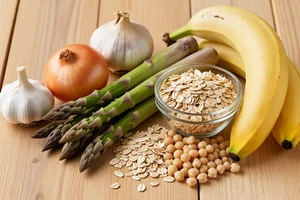
- Vegetables: Onions, garlic, cauliflower, mushrooms, asparagus, and artichokes.
- Legumes: Chickpeas, lentils, kidney beans, and black beans.
- Grains: Wheat, rye, and barley in large amounts (e.g., bread, pasta, cereal).
- Dairy: Milk, soft cheeses, yogurt, and ice cream (lactose is a FODMAP).
- Sweeteners: Honey, agave nectar, and high-fructose corn syrup, as well as sugar alcohols like sorbitol, mannitol, and xylitol (often found in sugar-free gum and candy).
Foods That Tend to Be Your Friends
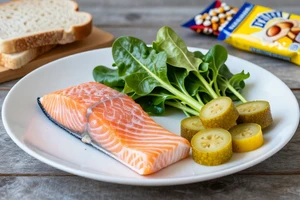
Fortunately, many nutritious foods are naturally low in FODMAPs and are generally well-tolerated. Building your meals around these can provide relief without sacrificing variety.
Produce
- Fruits: Bananas (firm, slightly green), blueberries, strawberries, oranges, grapes, cantaloupe, and kiwi.
- Vegetables: Carrots, spinach, bell peppers, zucchini, green beans, potatoes (white and sweet), and cucumbers.
Proteins
- Meat and poultry: Plain chicken, turkey, beef, lamb, and pork (check for marinades or broths containing garlic or onion).
- Fish and eggs: All fresh or frozen fish, shellfish, and eggs are naturally FODMAP-free.
- Plant-based: Firm or extra-firm tofu, tempeh, and canned lentils or chickpeas (rinsed well—about ¼ cup serving is usually fine).
Grains and Starches
- Oats, white rice, brown rice, quinoa, millet, sourdough spelt bread (check label), and gluten-free bread and pasta (made from rice or corn).
Dairy Alternatives
- Lactose-free milk, hard cheeses (like cheddar, Swiss, parmesan), and small amounts of brie or camembert.
- Unsweetened almond milk, coconut milk (canned or carton), and oat milk (confirm it's made from gluten-free oats).
Gentle Fiber: Soluble vs. Insoluble
Fiber can be confusing for IBS. Too much insoluble fiber (the kind that speeds up transit) can worsen diarrhea and cramping for some people. Soluble fiber, on the other hand, absorbs water and helps form a gel-like consistency in the stool, which can help both diarrhea and constipation.
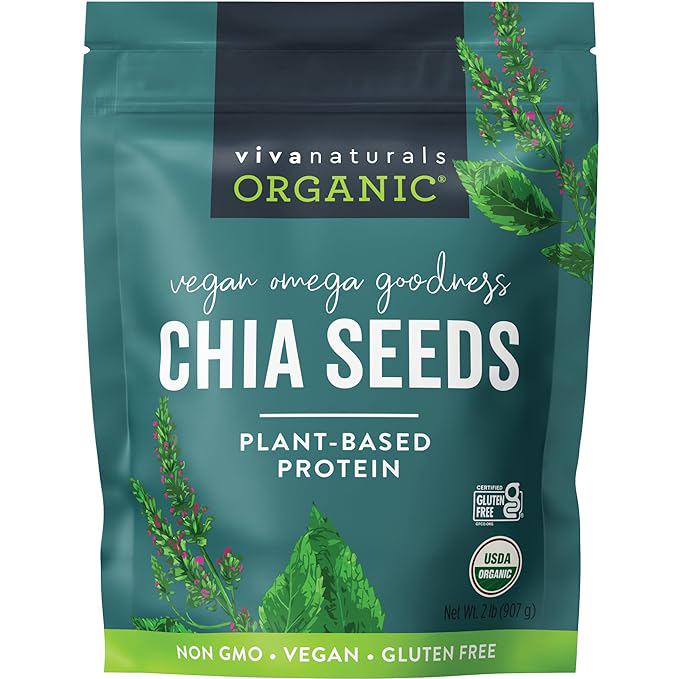
Dietitians often recommend slowly increasing your intake of soluble fiber from low-FODMAP sources. Good options include oats, chia seeds, psyllium husk (without added flavors), carrots, and passion fruit.
Insoluble fiber sources like wheat bran, nuts with skins, seeds, and the skins of many fruits and vegetables can be more irritating. This does not mean you must avoid them forever—just that you may need to peel fruits (like apples), limit raw vegetables, and eat smaller portions until you know your tolerance.
Probiotics and Fermented Foods
The evidence on probiotics for IBS is promising but not uniform. Different strains have different effects. Some people find relief with specific probiotics (like Bifidobacterium infantis or certain Lactobacillus strains), while others notice no change or even a worsening of gas and bloating. Instead of recommending a specific supplement, dietitians often suggest trying fermented foods in small amounts.
Low-FODMAP fermented options include:
- Plain lactose-free yogurt
- Kefir (goat's milk kefir is often lower in lactose)
- Small amounts of miso paste or tamari (check for wheat)
- Fermented pickles (without garlic)
- Kimchi made without onion or garlic (some brands exist)
Lifestyle Factors That Matter as Much as Diet
What you eat is only part of the picture. Dietitians emphasize that how you eat can be equally important for symptom control.
- Eat slowly and mindfully. Rushing through meals can cause you to swallow air, which leads to bloating. Aim for 20–30 minutes per meal, chewing thoroughly.
- Stay hydrated. Proper hydration helps fiber work effectively and can ease constipation. Plain water, herbal tea (like peppermint or ginger), and low-FODMAP fruit-infused water are all good choices.
- Manage stress. The gut-brain connection is powerful. Techniques like deep breathing, meditation, yoga, or even just a short walk after meals can help calm the digestive system.
- Keep a symptom diary. Writing down what you eat, your symptoms, and your stress level for a few weeks can help you and your dietitian spot patterns you might otherwise miss.
A Note on Individuality
The most important principle in IBS management is that no single diet works for everyone. One person may tolerate a small salad while another finds it triggers a flare. This is why working with a dietitian is so valuable—they can help you navigate the reintroduction phase of the Low-FODMAP diet, identify other potential triggers like caffeine or alcohol, and create a sustainable plan that fits your lifestyle and preferences.
IBS is a complex condition, but thoughtful, personalized nutrition offers a powerful path toward relief. Start with the low-FODMAP-friendly foods listed here, consider adding soluble fiber gradually, and pay attention to your body's signals. Small, consistent changes often lead to the biggest improvements over time.