
After months of intense training, travel, and race-day pressure, your digestive system can feel as worn down as your legs. The bloating, the irregularity, the sudden sensitivity to foods you normally handle fine — these are common signals that the gut needs a reset. Sports dietitians see this pattern every year, and the good news is that the gut is remarkably adaptable. Recovery is not about a radical cleanse or a restrictive diet. It is about strategic, gentle support that restores microbial diversity and repairs the intestinal lining.
The term “gut strength” is a useful one. It goes beyond simply being able to digest food without discomfort. A strong gut filters out pathogens, produces neurotransmitters that support mood and sleep, and efficiently absorbs the nutrients your body needs to rebuild muscle and replenish energy stores. After a hard season, that system has taken a beating. Here is what sports dietitians actually recommend — the practical, food-first steps that help bring the gut back to a resilient state.
Why a hard season hits the gut so hard
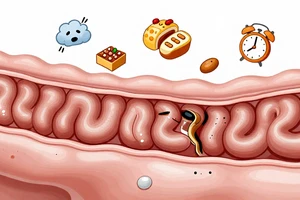
Chronic high-volume training diverts blood flow away from the digestive tract toward working muscles. That alone can slow digestion and reduce enzyme production. Add in the stress of competition, frequent nonsteroidal anti-inflammatory drug (NSAID) use, disrupted sleep, and erratic eating patterns, and you have a perfect storm for gut permeability (often called “leaky gut”) and dysbiosis — an imbalance in the gut microbiome.
A key insight from sports dietitians: The gut-brain axis means that mental fatigue from a long season compounds physical stress on digestion. You can’t separate the two.
Rebuilding starts when the season ends, but it takes more than a few days of “eating clean.” It requires a deliberate, phased approach.
Phase 1: Calm the inflammation first
You cannot rebuild on a foundation of active irritation. The first step is to remove or reduce the biggest gut stressors. For most athletes, that means cutting back on caffeine, alcohol, and highly processed foods for a period of one to three weeks. These are not forbidden forever, but a temporary break gives the intestinal lining room to settle.
Dietitians also recommend tapering NSAID use during this recovery window, as these drugs are known to damage the gut lining over time. If pain management is needed, a conversation with a physician about alternative strategies is wise.
What to add instead
Anti-inflammatory foods become the focus. This is not about drinking kale juice all day. It is about practical, satisfying foods that support healing:
- Bone broth or collagen-rich foods provide glycine and proline, amino acids that support the repair of the gut lining.
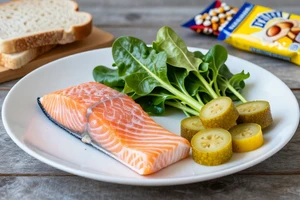
- Cooked vegetables (carrots, zucchini, spinach) are easier to digest than raw fiber bombs and still provide critical vitamins and phytonutrients.
- Healthy fats from avocado, olive oil, and fatty fish help reduce systemic inflammation.
Phase 2: Feed the good bacteria — strategically
Once the gut is calmer, the next step is to rebuild microbial diversity. This is where probiotic and prebiotic foods come in. But there is an important nuance: many athletes jump straight to high-FODMAP foods or heavy doses of fiber too quickly, which can cause bloating and setbacks.
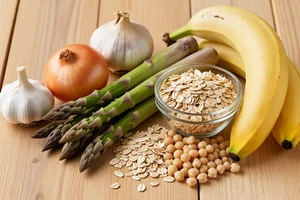
Dietitians suggest a slow reintroduction strategy. Start with one serving per day of a fermented food like plain yogurt (if tolerated), kefir, sauerkraut, or kimchi. Observe how you feel. Then gradually add in prebiotic fibers: oats, bananas, cooked and cooled potatoes (resistant starch), and asparagus.
Quick rule: Fermented foods seed the gut with beneficial bacteria. Prebiotic fibers feed those bacteria. You need both for a healthy microbiome.
Phase 3: Repair with targeted nutrients
Beyond whole foods, sports dietitians often highlight specific nutrients that support gut barrier integrity. These are not magic bullets, but they are backed by research for people recovering from gut stress:
- L-glutamine: An amino acid that serves as primary fuel for enterocytes (intestinal lining cells). Found in chicken, fish, eggs, and bone broth.
- Zinc: Essential for tissue repair and immune function. Found in oysters, beef, and pumpkin seeds.
- Vitamin D: Plays a role in maintaining the gut barrier. Sunlight is the best source, with fatty fish and fortified dairy as backups.
Most athletes can get these from food during a recovery phase. A dietitian might suggest a short-term supplement if a deficiency is suspected, but that remains a personalized decision.
Hydration and meal timing matter too
Dehydration is an underappreciated gut stressor. After a season of racing, many athletes enter the off-season slightly dehydrated as a baseline. Adequate water intake helps keep the mucosal lining of the gut healthy. Sip water throughout the day — don’t chug large volumes at meals, which can dilute digestive enzymes.
Meal timing also shifts in recovery. Without the pressure to fuel before a workout or recover immediately after, dietitians recommend returning to a more relaxed eating rhythm. Three meals with one or two snacks, spaced evenly, gives the digestive system clear rest periods between digestion cycles. This contrasts with the constant small feeding pattern many athletes adopt during training.
The microbiome diversity goal
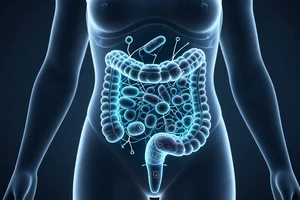
Perhaps the single most important metric of gut recovery is microbial diversity. A healthy gut hosts hundreds of species of bacteria. After a hard season, that diversity often drops. The dietary approach to restoring it is simple in theory but takes consistency: eat a wide variety of whole plant foods.
Sports dietitians often challenge athletes to aim for 30 different plant foods per week. That includes fruits, vegetables, whole grains, nuts, seeds, legumes, herbs, and spices. It sounds like a lot, but small amounts add up quickly. A handful of walnuts on oatmeal, a sprinkle of cinnamon, a side of lentils with roasted beets and a dollop of yogurt — these contributions count.
When to seek help
For most athletes, the steps above will restore normal digestion within a few weeks. But if symptoms like chronic bloating, pain, changes in bowel habits, or food intolerances persist beyond a month of gentle recovery, it may indicate an underlying issue that needs professional attention. A sports dietitian or gastroenterologist can help rule out conditions like SIBO (small intestinal bacterial overgrowth) or inflammatory bowel disease.
Rebuilding gut strength is not a race. It is a return to baseline, giving the digestive system the same thoughtful care you gave your muscles during the season. With patience and the right fuel, your gut will come back — often stronger than before.