
Morning meals can be a minefield when you’re navigating food intolerances. Bloating, discomfort, or sluggishness after breakfast isn’t just frustrating—it can derail your whole day. But eating for gut health doesn’t mean resigning yourself to bland, repetitive meals. The key is choosing ingredients that are naturally low in common triggers (like lactose, gluten, and high-FODMAP foods) while still delivering fiber, protein, and satisfaction.
Below are three breakfast ideas designed for people with common intolerances. Each one is built around whole foods that are gentle on the digestive system and easy to adapt based on your specific needs. These aren’t rigid recipes—they’re flexible frameworks you can tweak.
1. Savory egg scramble with leafy greens and roasted sweet potato
Eggs are a go-to for many with food sensitivities: they’re naturally gluten-free, lactose-free, and low-FODMAP in moderate servings. Pair them with colorful vegetables and a resistant-starch carb like sweet potato, and you’ve got a balanced, anti-inflammatory start to the day.
To make it, start by cubing a small sweet potato (skin on for extra fiber) and roasting it in a little olive oil until tender. While that cooks, sauté a handful of spinach or Swiss chard in a skillet with a splash of olive oil or ghee (if you tolerate ghee, which is very low in lactose). Scramble two eggs directly in the pan with the greens, then fold in the roasted sweet potato. Season with a pinch of salt, black pepper, and maybe some fresh chives or turmeric.
Why it works: Sweet potatoes provide complex carbohydrates that are easier to digest than grains for some people. Eggs supply high-quality protein without triggering common intolerances. Leafy greens add folate and magnesium. This meal is also naturally free of gluten, dairy, soy, and nuts—though if you have an egg allergy, you can replace the eggs with firm tofu or a chickpea flour scramble.
A note on portion size: even “gut-friendly” foods can cause bloating if you eat too much at once. Start with one egg and half a sweet potato if you’re unsure.
2. Overnight oats with chia seeds and low-FODMAP berries
Oats themselves are gluten-free, but they’re often cross-contaminated with wheat during processing. If you’re sensitive to gluten, look for certified gluten-free rolled oats. For those who follow a low-FODMAP diet, oats are generally well-tolerated in portions up to half a cup dry. This breakfast is incredibly forgiving—you can prep it the night before and grab it on the go.
Mix ½ cup certified gluten-free rolled oats, 1 tablespoon chia seeds, ½ cup lactose-free milk (or unsweetened almond milk, or oat milk), and a small handful of low-FODMAP berries like blueberries or strawberries (sliced). Stir everything in a jar or bowl, cover, and refrigerate overnight. In the morning, give it a stir and top with a small spoonful of pumpkin seeds for extra crunch and magnesium, which supports gut motility.
Why it works: Chia seeds are a gentle source of soluble fiber that helps bulk stool without irritation. Oats contain beta-glucan, a prebiotic fiber that feeds good gut bacteria. The lactose-free milk or plant-based alternative avoids dairy issues. Berries are rich in polyphenols that reduce inflammation.
If you tolerate small amounts of dairy, a dollop of lactose-free yogurt or kefir can add probiotics. Just check labels—some brands add sugar or thickeners that can bother sensitive stomachs.
3. Smoothie bowl with spinach, banana, and nut-free seed butter
Smoothies are a fast, customizable option, but they can become sugar bombs if you’re not careful. This version counts on whole fruits and a protein-fiber balance to keep blood sugar steady. It’s free of the most common allergens: dairy, gluten, eggs, soy, and tree nuts.
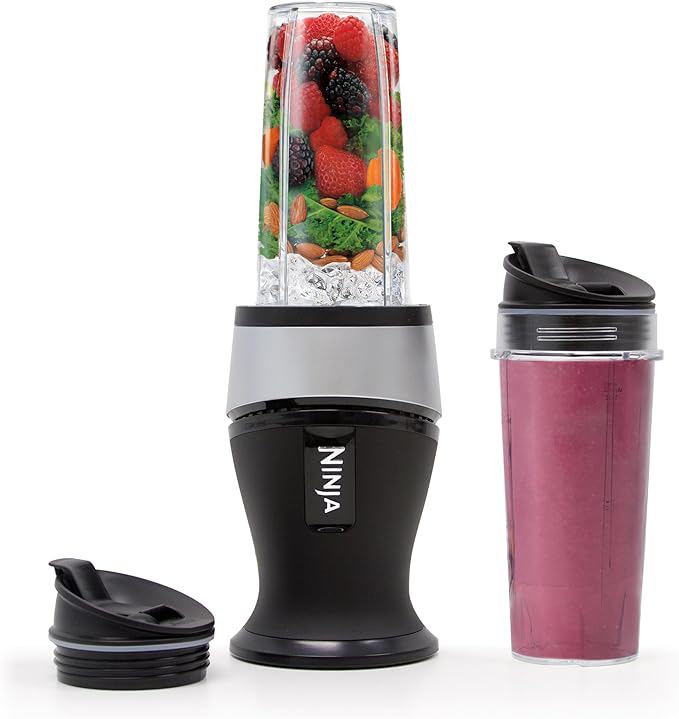
Blend together: 1 small ripe banana (if following low-FODMAP, use a firm, less-ripe banana), a handful of fresh spinach, 1 tablespoon sunflower seed butter (or tahini), ½ cup lactose-free milk or water, and a few ice cubes. Optional add-ins: a tiny pinch of ginger or cinnamon for warmth and anti-inflammatory effects. Pour into a bowl and top with a sprinkle of unsweetened shredded coconut and a few chia seeds.
Why it works: Banana offers potassium and resistant starch (especially if slightly underripe), which supports healthy gut bacteria. Spinach is low in oxalates compared to kale for those who are sensitive. Seed butter provides healthy fats and protein without the lectins or phytic acid that can bother some people in nuts.
Tip: if you’re sensitive to oxalates, swap spinach for a small handful of romaine or butter lettuce—they’re much lower in oxalates.
Making these breakfasts work for you
No single breakfast works for every intolerance profile. The key is identifying your personal triggers and swapping thoughtfully:
- Lactose intolerance: Use lactose-free milk, hard cheeses, or plant milks. Avoid cream and butter if they cause symptoms.
- Gluten sensitivity: Stick to certified gluten-free oats, rice, quinoa, or buckwheat. Watch for hidden gluten in flavorings or spice blends.
- FODMAP sensitivity: Limit fruits like apple, pear, and mango in large amounts. Avoid wheat, onion, garlic, and legumes until you know your tolerance.
- Egg allergy: Substitute with a tofu scramble or chickpea flour omelet. For smoothies, add a scoop of pea protein powder.
- General digestive ease: Focus on cooked vegetables over raw, well-cooked grains, and small portions of fat.
Final thought
Gut-friendly breakfasts are not about restriction—they’re about finding what allows you to eat with pleasure and without pain. These three meals are solid starting points, but feel free to rotate ingredients based on what your body responds to. Over time, many people find that healing the gut allows them to reintroduce some foods they once avoided. Always listen to your body and, when in doubt, consult a registered dietitian who specializes in food intolerances.