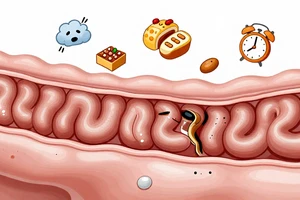

Your gut does more than digest food—it influences your mood, immunity, and energy levels. When something goes off, the body sends signals, but they can be easy to dismiss. A rumbling stomach after a meal? Probably nothing. Tired all the time? You blame your schedule. Yet persistent symptoms that feel minor might be your digestive system asking for backup.
Knowing when those signs cross from occasional annoyance to a genuine health concern is key. Below are four warning signs that suggest it’s time to consult a gastroenterologist or a registered dietitian who specializes in gut health—not just a quick internet search or a new probiotic.
1. Chronic bloating that interferes with your day
Occasional bloating after a large meal or a gas-producing vegetable is normal. But when bloating becomes a daily companion—tightness in your abdomen that doesn't resolve, worsens as the day goes on, or is paired with visible distension—it’s worth investigating.
This can be a sign of small intestinal bacterial overgrowth (SIBO), food intolerances, or even motility disorders. A specialist can run tests like a hydrogen breath test or order imaging to rule out structural issues. Ignoring it can lead to nutrient malabsorption and discomfort that steals your quality of life.
Tip: Keep a food-and-symptom diary for two weeks before your appointment. It helps the specialist spot patterns faster.
2. Unexplained changes in bowel habits lasting more than two weeks
Whether it’s persistent diarrhea, constipation, or alternating between both—without a clear cause like a stomach bug or change in diet—your gut may be struggling. This is especially true if the change lasts longer than a few weeks.
Conditions like irritable bowel syndrome (IBS), inflammatory bowel disease (IBD), or even microscopic colitis can present this way. A specialist can differentiate between them using stool tests, colonoscopy, or blood work. Early diagnosis makes management easier and can prevent long-term damage.
Pay attention to red flags such as blood in the stool, unintentional weight loss, or nocturnal symptoms (waking you up)—these demand urgent medical attention.
3. Persistent fatigue that sleep doesn’t fix
Your gut and brain communicate constantly via the gut-brain axis. When your intestinal lining is inflamed or your microbiome is out of balance, that communication can break down. One result: unrelenting fatigue, brain fog, and low energy.
Food intolerances, celiac disease, and chronic inflammation often show up as exhaustion first. Iron deficiency from poor absorption (due to gut issues) is another common culprit. A specialist can check for nutrient deficiencies, autoimmune markers, and infections that might be draining you.
Fatigue is a general symptom, but when combined with any of the other signs on this list—bloating, altered bowel habits, or the next one—it becomes a stronger signal to seek expert help.
4. Skin breakouts or rashes that don’t respond to skincare
Eczema, rosacea, acne, or unexplained rashes can be reflections of internal inflammation. When the gut barrier becomes compromised (sometimes called “leaky gut”), toxins and partially digested food particles can enter the bloodstream and trigger immune reactions that show up on the skin.
Dermatologists often manage these conditions topically, but if your skin isn’t improving, a gut specialist might uncover an underlying issue like a food sensitivity, small intestinal bacterial overgrowth (SIBO), or a yeast overgrowth. Addressing the digestive root can calm the skin without harsh treatments.
When to make the appointment
If you’re experiencing two or more of these signs together—or even one that’s persistent and bothersome—schedule a visit with a gastroenterologist. For less severe cases, a registered dietitian with a focus on digestive health can also be a first step.
Listen to your body. It’s not just a stomach ache. It’s communication. Responding to these four warning signs early can save you months of discomfort and help you feel like yourself again.