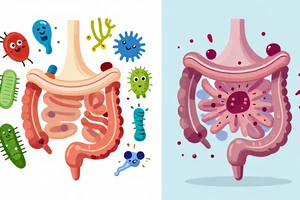
Digestive enzymes are the unsung heroes of a comfortable gut. These proteins act as biological catalysts, breaking down the food we eat into smaller, absorbable nutrients. While your pancreas, stomach, and salivary glands produce these enzymes naturally, the foods you choose can either support or burden that process. Dietitians often point out that eating enzyme-rich foods can give your digestive system a helpful hand, especially after a heavy meal or as we age and natural enzyme production begins to wane.
The key is knowing which foods actually deliver active enzymes in meaningful amounts, and how to prepare them without destroying their potency. Heat is the primary enemy of enzymes—prolonged high temperatures above 118°F (48°C) can denature them, rendering them inactive. This is why raw, fermented, and gently prepared foods are the most reliable sources. Here is what dietitians say about the best real-food sources of digestive enzymes and how to incorporate them wisely.
Pineapple: The Bromelain Powerhouse
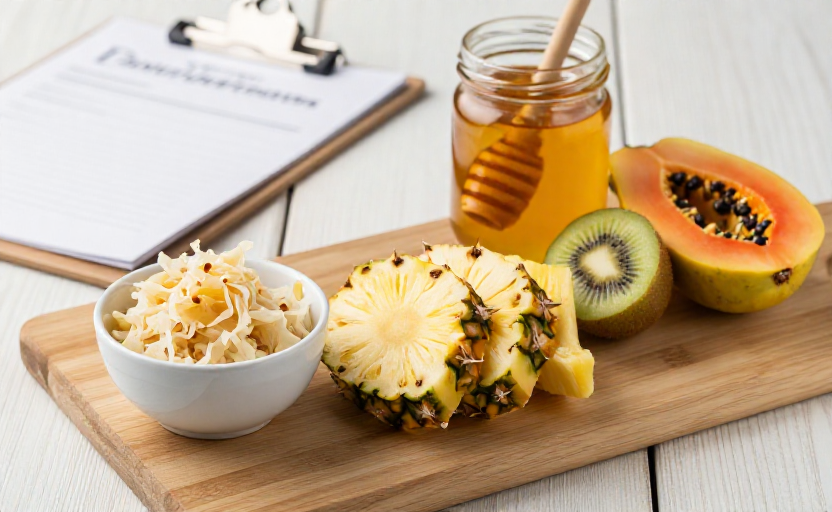
Pineapple is perhaps the most well-known enzyme-rich food, thanks to bromelain. This group of proteolytic enzymes helps break down protein chains into peptides and amino acids. Dietitians highlight that bromelain is most concentrated in the core and stem of the fruit—areas people often discard. While the flesh contains some, the toughest fibrous parts hold the highest enzyme activity.
To get the digestive benefits, eat fresh, ripe pineapple. Canned or heat-processed pineapple loses virtually all enzyme activity. Try blending the core into a smoothie or grating it into a salsa to accompany grilled meats. A small bowl of fresh pineapple chunks as a palate cleanser after a protein-heavy meal can feel genuinely helpful for many people. However, if you have a history of gum sensitivity or oral ulcers, bromelain can irritate mouth tissues—moderation is wise.
Papaya: A Tropical Enzyme Treasure
Papaya contains papain, another proteolytic enzyme with a long history of traditional use for digestion. Unlike bromelain, papain remains active across a wider pH range, which means some activity may persist even as it moves through the stomach. The enzyme is most abundant in unripe green papaya, though ripe fruit still offers modest amounts.
Dietitians suggest using green papaya in salads or as a tenderizing agent in marinades. Fermented papaya preparations are also gaining attention, as fermentation can concentrate enzyme content. For everyday use, simply eating a ripe papaya on its own—seeds included, if you enjoy the peppery bite—can provide gentle digestive support. The seeds are also edible and contain trace amounts of enzymes, though their strong flavor means a little goes a long way.
Fermented Vegetables: Sauerkraut, Kimchi, and Miso
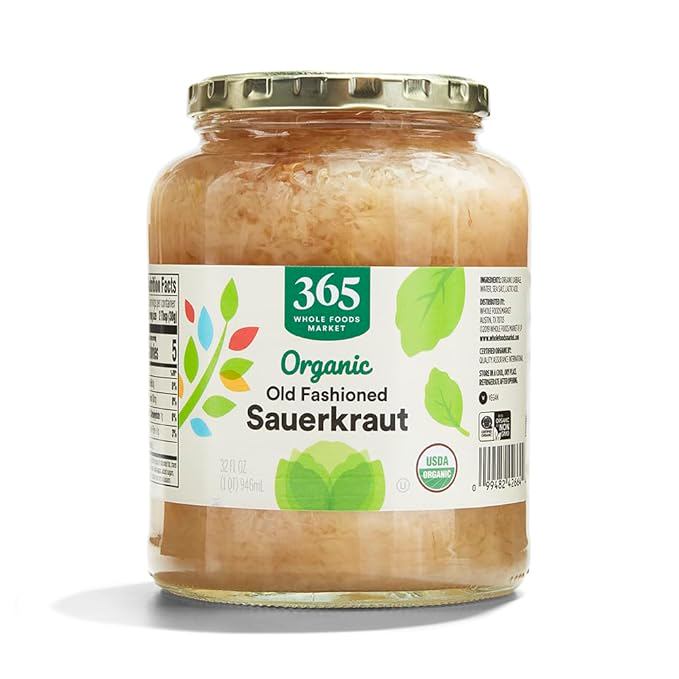
Fermented foods are unique because they are pre-digested by microbes. The fermentation process naturally produces a wide array of enzymes, particularly lipases, proteases, and amylases. Dietitians consistently rank raw sauerkraut and kimchi among the top enzyme sources because they are unpasteurized and alive. Pasteurization kills both beneficial bacteria and enzymes, so always choose refrigerated, raw varieties from the chilled section of the grocery store.
A single forkful of raw sauerkraut before a meal can stimulate digestive secretions. Kimchi offers a more complex profile with garlic, ginger, and chili—all of which may further support digestion. Miso paste, made from fermented soybeans, is another excellent option. Adding a teaspoon of unpasteurized miso to a bowl of warm (not boiling) water creates a quick broth that provides live enzymes. Boiling water kills the enzymes, so let your water cool to a comfortable drinking temperature before stirring in the miso.
A simple daily habit: one tablespoon of raw sauerkraut or a teaspoon of miso in warm water before a main meal can prime the digestive tract without requiring a major diet overhaul.
Kiwi: The Gentle Digestive Aid
Kiwifruit contains actinidin, a unique enzyme that breaks down meat protein more effectively than many other fruit enzymes. This may explain why many people report less bloating and greater comfort after eating kiwis with a meal. The fruit is also rich in fiber and contains a compound that supports gut motility. Dietitians sometimes recommend kiwi for individuals with mild constipation or sluggish digestion, as it seems to work gently without causing urgency.
Eat the skin if you can—it is edible and contains additional fiber and enzyme activity. For those who find the fuzz off-putting, rubbing the skin with a clean towel removes most of it. Two kiwis per day is a common recommendation, though starting with one is sensible. Unlike some tropical fruits, kiwis are less likely to cause mouth irritation for most people.
Raw Honey: Enzymes from the Hive
Raw, unpasteurized honey contains several enzymes, including diastase (amylase), invertase, and glucose oxidase. These enzymes help break down starches and sugars, but their role in human digestion is somewhat secondary to the mechanical effects of the honey itself. Dietitians caution that honey is still sugar, so it shouldn't be consumed in large quantities for enzyme content alone. However, a teaspoon of raw honey stirred into warm (not hot) tea can provide a small enzyme boost while soothing the digestive tract.
The key word is raw. Most supermarket honey has been heat-filtered, which destroys enzyme activity. Look for local, raw honey bearing labels that specify it has not been heated above 115°F. Manuka honey is often cited for its antimicrobial properties, but its enzyme content is similar to other raw honeys.
Common Questions About Food-Based Enzymes
Can cooking destroy all enzymes in food?
Yes, prolonged heat above 118°F deactivates almost all enzymes. However, some enzymes in moist-heat conditions can survive brief high-temperature exposure. The safest approach is to eat a portion of your produce raw or fermented each day. Lightly steaming vegetables—such as broccoli, asparagus, or snap peas—until just bright and crisp may preserve some enzyme activity, though dietitians generally recommend raw or fermented sources for reliability.
Do enzyme supplements work better than food sources?
Enzyme supplements can be helpful for specific conditions like pancreatic insufficiency or chronic indigestion, but dietitians emphasize that food sources provide additional benefits such as fiber, vitamins, and phytonutrients that supplements lack. For general digestive wellness, whole food sources are preferred. Supplements should be discussed with a healthcare provider, as they can interact with certain medications or mask underlying issues.
Are there any risks to eating enzyme-rich foods?
For most people, these foods are perfectly safe and healthy. However, individuals with oral allergies, particularly to pollen or latex, may experience cross-reactivity with fruits like kiwi, pineapple, or papaya. People with a history of gastric ulcers should be cautious with concentrated pineapple or green papaya, as bromelain can irritate sensitive tissues. Always start with small amounts and monitor your body's response.
How much of these foods should I eat for digestive benefits?
There is no one-size-fits-all dose. Dietitians typically suggest incorporating one or two servings of enzyme-rich foods into your daily pattern. Examples: a half-cup of fresh pineapple or papaya as a snack, one tablespoon of raw sauerkraut with a meal, or two kiwis as part of breakfast. Consistency matters more than quantity. If you notice increased bloating or discomfort, reduce the amount and gradually increase as tolerated.