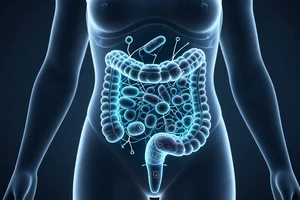
You’ve probably seen the bottles lining pharmacy shelves and heard the word tossed around on wellness podcasts. Probiotics. They promise a happier gut, smoother digestion, and a stronger immune system. But when you actually look at the science—and talk to the dietitians who study this stuff daily—a more nuanced picture emerges. What should you eat, what should you skip, and when does a supplement actually make sense? Here’s what registered dietitians want you to know about using probiotics to support a balanced gut microbiome.
What does balancing gut bacteria actually mean?
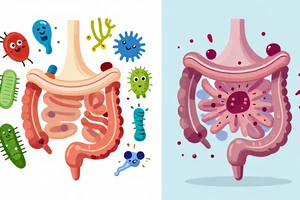
The phrase “gut bacteria balance” gets thrown around a lot, but it’s not about wiping out all the “bad” bugs. Every healthy gut contains a mix of different bacterial species—some helpful, some neutral, and some opportunistic. The goal is variety and abundance, not perfection. Dietitian Abby Langer explains it simply: “A diverse microbiome is a resilient microbiome. When you fork over a lot of fiber-rich plants and fermented foods, you are giving those gut bugs the raw material they need to keep the whole ecosystem stable.” Synthetic probiotics, on the other hand, introduce just a handful of strains. That can be helpful in specific situations, but it doesn't necessarily mimic the complexity of a diet-based approach.
Food-based probiotics: the dietitian’s first pick
Almost every dietitian I spoke with agreed on one point: food first. Fermented foods naturally contain live microbes, and they also come packaged with other nutrients (vitamins, minerals, enzymes) that processed supplements lack. Think beyond just yogurt, though. Some lesser-known options pack a powerful bacterial punch.
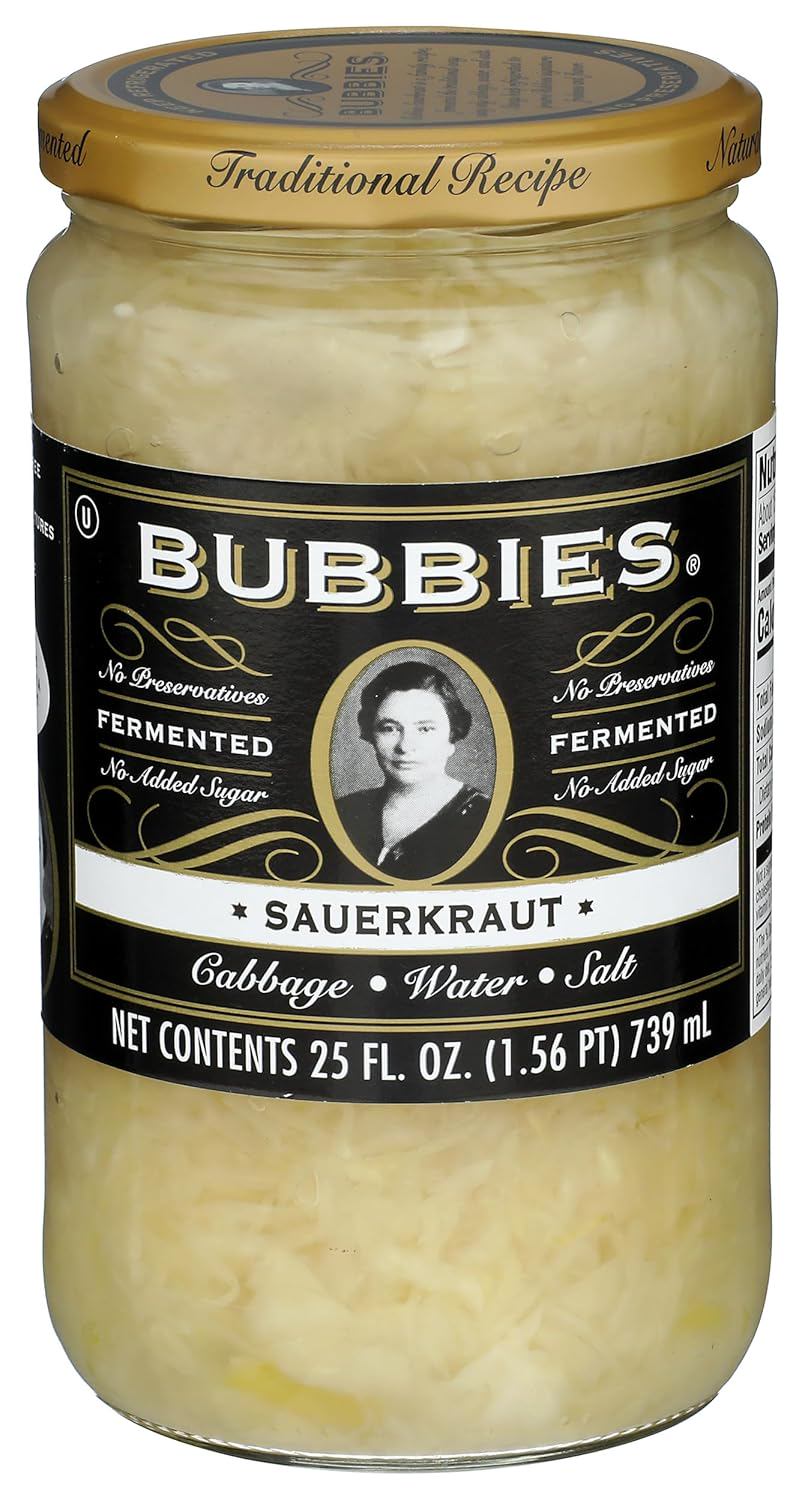
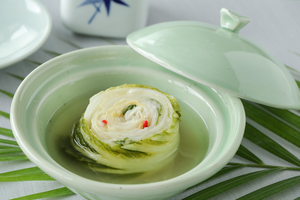
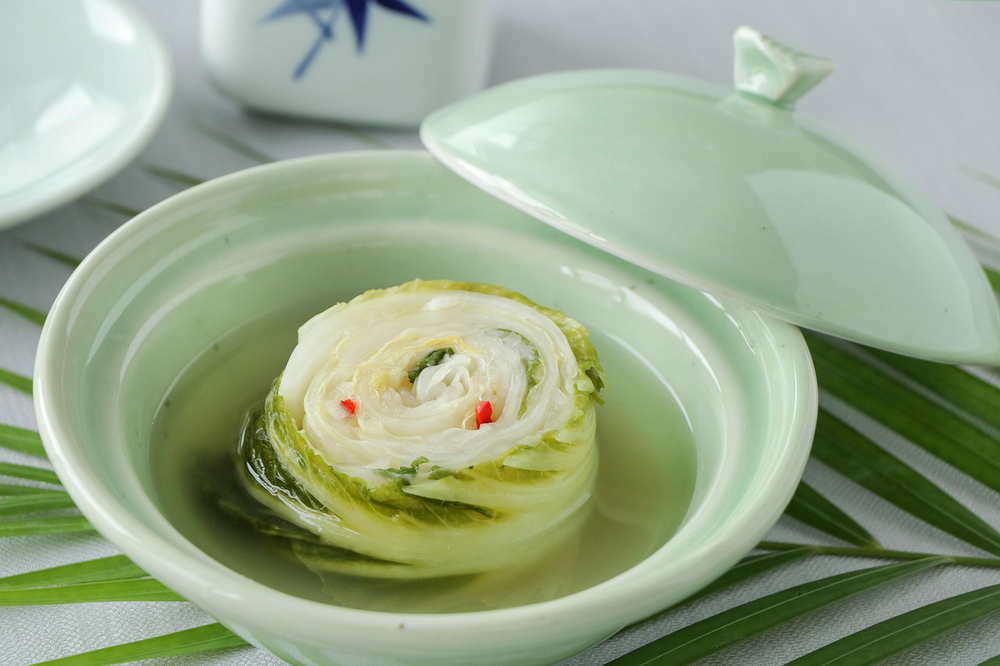
- Kimchi and sauerkraut: Look for refrigerated versions, not the shelf-stable pasteurized jars. The live cultures are what matter. They also bring a hefty dose of fiber and vitamin C.
- Kombucha: A fermented tea that contains a variety of bacteria and yeasts. Dietitians warn that many store brands add significant sugar. Homemade or low-sugar versions are the better bet.
- Miso and tempeh: Both are fermented soy products, but tempeh also functions as a high-protein, prebiotic-rich food because it contains whole soybeans.
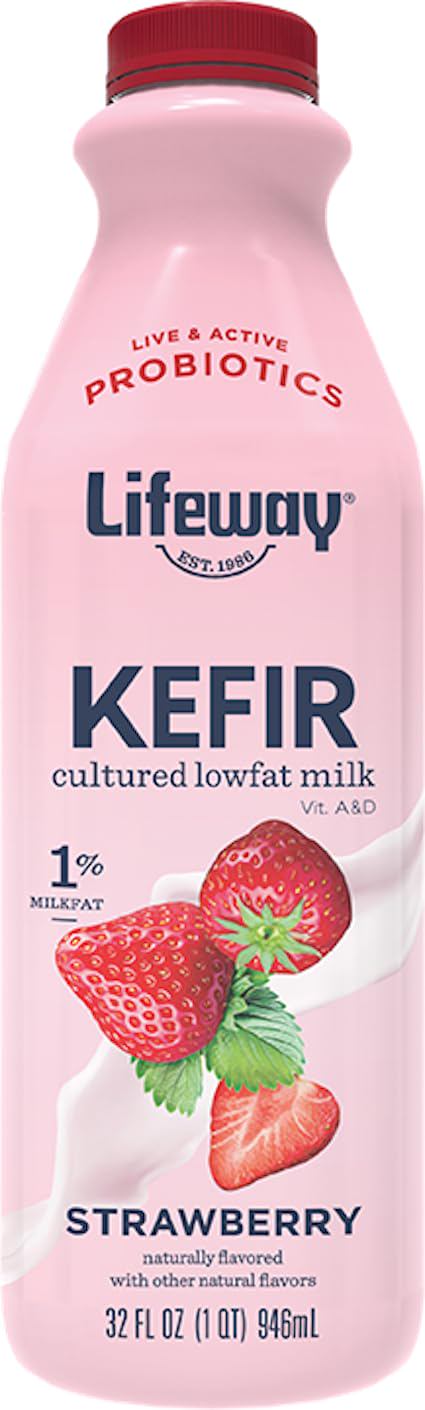
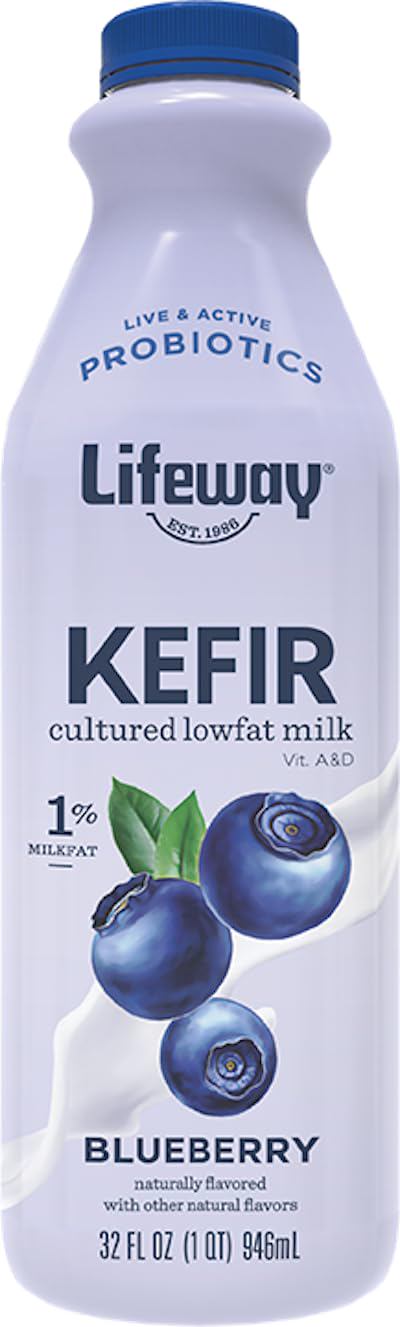
- Kefir: A fermented milk drink that usually contains more bacterial strains than yogurt. Dairy-free water kefir is also available.
“Fermented foods deliver live microbes in a food matrix that your body is designed to handle—they’re not sterile pills, they’re food.” — Megan Rossi, PhD, RD
When (and if) to consider a probiotic supplement
Supplements are not for everyone. In fact, for someone with a generally healthy gut who eats a varied diet, a daily probiotic pill may do very little. However, dietitians point to three scenarios where supplementation might be worthwhile.
After a course of antibiotics. Antibiotics wipe out broad swaths of bacteria, both beneficial and harmful. A short course of probiotics (ideally started after the antibiotic course ends) may help repopulate the gut. A 2022 review in JAMA Internal Medicine found that probiotics were associated with lower rates of antibiotic-associated diarrhea. But wait—there’s nuance here. Some research suggests that taking probiotics immediately after antibiotics can actually slow the recovery of your native microbiome. The dietitian consensus: it’s a case-by-case decision, and it’s wise to wait a few days after antibiotics to start probiotics.
For specific digestive diagnoses. Some strains have demonstrated good clinical evidence for managing IBS symptoms (particularly bloating and irregular bowel movements), preventing traveler’s diarrhea, or reducing symptoms of ulcerative colitis. But no single strain works for all conditions—you need a targeted product matched to your diagnosis. Dietitian Julie Stefanski advises, “Look for products with human clinical trials showing efficacy for your particular issue, not just for general ‘gut health’.”
Age-related microbial decline. As we age, the diversity of the gut microbiome tends to decrease. After age 60 or 70, certain dietitians suggest a low-dose daily probiotic alongside a prebiotic-rich diet may help maintain bacterial diversity. Even then, diet should come first.
The supplement trap: what dietitians warn against
Walk down the supplement aisle and you will see an overwhelming array of options: spore-based, soil-based, single-strain, multi-strain, shelf-stable, refrigerated. Many of these have no solid research behind them for general wellness. Dietitians caution against buying based on marketing buzzwords like “billions of CFUs” without knowing the specific strains and their proven actions.
- Strain specificity matters more than CFU count. A product may contain 50 billion CFUs of Lactobacillus acidophilus, but if that particular strain doesn't survive stomach acid or colonize effectively, those 50 billion CFUs are useless.
- Check third-party testing. USP, NSF, or ConsumerLab seals indicate that what’s on the label is actually in the bottle.
- Shelf-stable doesn’t mean alive. Many room-temperature probiotics degrade quickly. Refrigerated products generally offer better viability, but they require adherence to cold chain from manufacture to your fridge.
Prebiotics: the forgotten partner
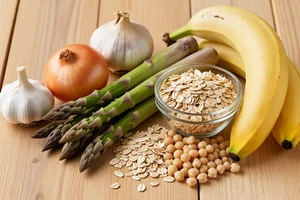
Probiotics alone won’t do much if your gut environment is barren. Prebiotics—types of fiber that feed beneficial bacteria—are essential for allowing probiotics to colonize and thrive. Dietitians recommend a diverse fiber intake: lentils, oats, green bananas, asparagus, onions, garlic, and Jerusalem artichokes. Without prebiotics, even high-quality probiotics may simply “pass through” without taking root.
A practical rule of thumb from dietitian Bonnie Taub-Dix: “Aim for 30 different plant foods a week. That’s fruits, vegetables, whole grains, legumes, nuts, seeds, herbs, spices. Each plant type feeds different bacterial species. That diversity is the bedrock of gut balance.”
Putting it all together: a dietitian-built gut health plan
Here’s a typical day of eating that supports a balanced microbiome without a single pill:
- Breakfast: yogurt (or kefir) with oats, a few almonds, and a handful of berries.
- Lunch: a big salad with chickpeas, avocado, and a miso-tahini dressing.
- Snack: a small apple plus a tablespoon of peanut butter (the fiber and polyphenols feed gut bacteria).
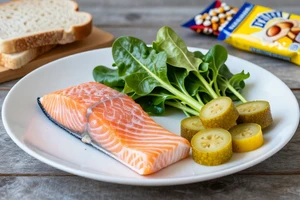
- Dinner: grilled salmon or tempeh, roasted asparagus, and a side of lentil soup topped with kimchi.
The key takeaway? Probiotics can be a useful tool—and they can come from food—but they are not a substitute for a fiber-rich, varied diet. Think of them as one piece of a larger puzzle, not the whole solution.