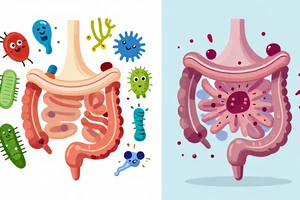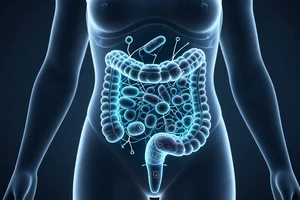

If you have been managing persistent bloating, brain fog, or unusual food sensitivities, the term "leaky gut" may have crossed your radar. It is not a formal medical diagnosis recognized by every clinician, but the concept of increased intestinal permeability is well-studied. Simply put, it describes a condition where the tight junctions in your gut lining loosen, allowing undigested food particles and toxins to leak into your bloodstream and trigger an immune response.
While there is no one-size-fits-all prescription for healing the gut, removing or reducing certain foods is one of the most straightforward steps you can take. The following three dietary triggers are frequently implicated in worsening leaky gut symptoms. Understanding where these triggers hide and how they act on your gut lining can help you make informed adjustments without falling into the trap of an overly restrictive diet.
1. Refined Sugars and High-Fructose Sweeteners
The relationship between sugar and gut health is not just about calories. When you eat high amounts of refined sugar, especially fructose from sources like table sugar, high-fructose corn syrup, and agave nectar, you are feeding an imbalance in your gut microbiome. Harmful bacteria and yeast, such as Candida, thrive on sugar. As these populations overgrow, they produce metabolites that can directly damage the tight junctions of the intestinal wall.
High fructose intake has also been shown to reduce the expression of proteins that keep those junctions sealed. This creates a double hit: more bad bacteria and a weaker barrier. Beyond obvious sweets, watch for sugar in pasta sauces, salad dressings, flavored yogurts, and protein bars. Even natural sweeteners like honey and maple syrup can be problematic if consumed in large amounts.
Tip: If you are prone to bloating or brain fog after a sugary meal, try cutting added sweeteners for two weeks. The goal is not total elimination but reducing the chronic load that keeps your gut lining under stress.
2. Gluten-Containing Grains
Gluten, a protein found in wheat, barley, and rye, is one of the most well-documented triggers for intestinal permeability. For people with celiac disease, the connection is absolute. But even for those without a full autoimmune reaction, gluten can stimulate the release of a protein called zonulin. Zonulin is a signaling molecule that directly instructs the tight junctions in your gut lining to open up.
This mechanism is so reliable that researchers sometimes use gluten to induce leaky gut in study models. It is important to note that not everyone reacts to gluten the same way. Some people tolerate sourdough or sprouted grains better because fermentation breaks down some of the problematic proteins. However, if you are already dealing with leaky gut symptoms, a trial period of gluten-free eating—even just three to four weeks—can clarify whether gluten is aggravating your system.
Hidden sources of gluten
Gluten is not just in bread and pasta. It appears in soy sauce, beer, some deli meats, seasoning blends, and even certain brands of oatmeal (due to cross-contamination). If you decide to test a gluten-free approach, aim for whole foods as your foundation: rice, quinoa, potatoes, vegetables, legumes, and certified gluten-free oats.
3. Alcohol, Especially in High Amounts
Alcohol is a direct irritant to the gastrointestinal lining. Ethanol and its metabolites can loosen tight junctions, increase intestinal permeability, and alter the composition of your gut microbiome. The effects are dose-dependent, but binge drinking or even daily moderate drinking can maintain a state of chronic gut irritation. Wine and beer may also contain trace amounts of gluten or histamines that compound the problem for sensitive individuals.
Additionally, alcohol depletes key nutrients like zinc and magnesium, which are necessary for repairing the gut lining. If you are working on gut health, reducing alcohol intake to occasional social consumption—or eliminating it entirely for a month—can give your intestinal barrier a much-needed break.
This does not mean you must live a completely austere life. A glass of red wine with a meal may still fit into a gut-friendly approach if your baseline symptoms are under control. But relying on alcohol to unwind every evening is one of the quickest ways to sabotage your gut healing efforts.
Identifying these three triggers is not about fear-mongering or placing every food on a "bad" list. The goal is awareness. When you know that sugar, gluten, and alcohol can each act as direct stressors on the intestinal barrier, you can make deliberate choices. Start by tracking your symptoms for a week, then try removing or reducing one trigger at a time. Many people find that their bloating, energy levels, and mental clarity improve noticeably within a month.