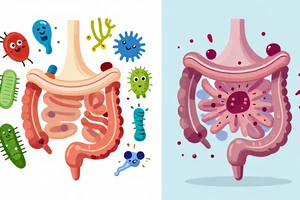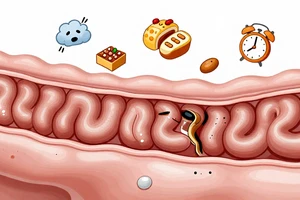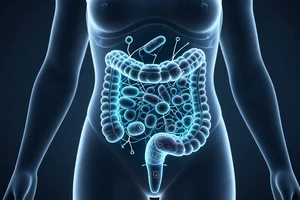

Your intestinal lining is more than just a passageway for food. It's a sophisticated barrier—only one cell thick—that decides what gets into your bloodstream and what stays out. When this lining weakens, a condition often referred to as increased intestinal permeability or "leaky gut," undigested food particles, toxins, and bacteria can slip through, potentially triggering inflammation and a host of digestive complaints.
The good news is that your diet plays a direct role in maintaining the integrity of this critical barrier. While there is no single "magic bullet," certain foods provide the specific nutrients your gut cells need to stay strong and connected. Here are four gut-friendly foods that can help protect and repair your intestinal lining.
Bone Broth: A Rich Source of Collagen and Gelatin
Bone broth has become a staple in gut-healing diets for good reason. When animal bones and connective tissue are simmered for an extended period, they release collagen, which breaks down into gelatin and the amino acids glycine, proline, and glutamine.
Glutamine, in particular, is a primary fuel source for the cells that line your small intestine, known as enterocytes. By providing these cells with their preferred energy source, glutamine helps them regenerate and maintain tight junctions—the "seals" between cells that prevent unwanted substances from leaking through. Gelatin also soothes the gut by binding to water and supporting the mucosal lining.
Aim for a quality bone broth made from grass-fed beef, pasture-raised chicken, or wild-caught fish. One cup daily, sipped like tea or used as a base for soups, can provide steady support.
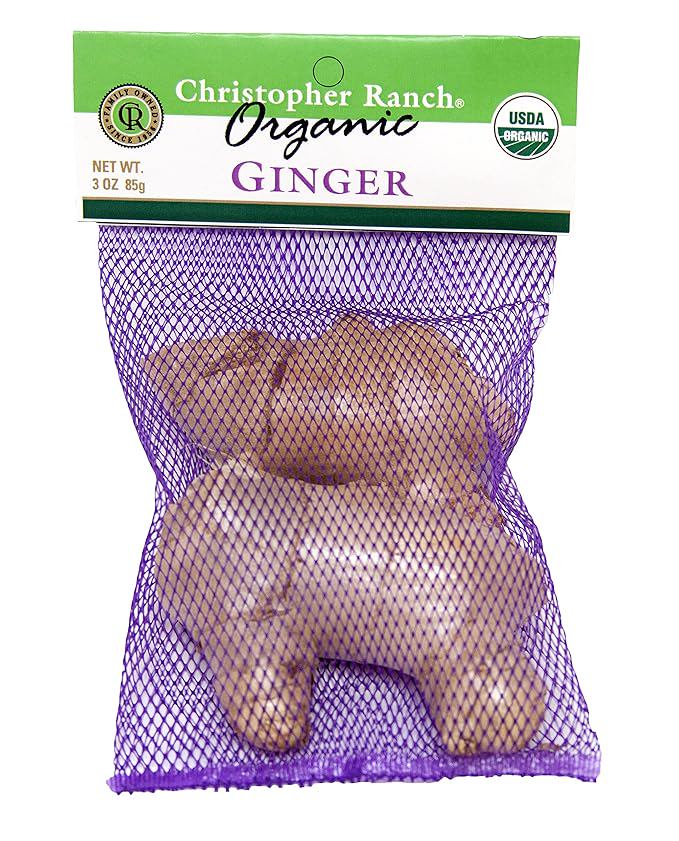
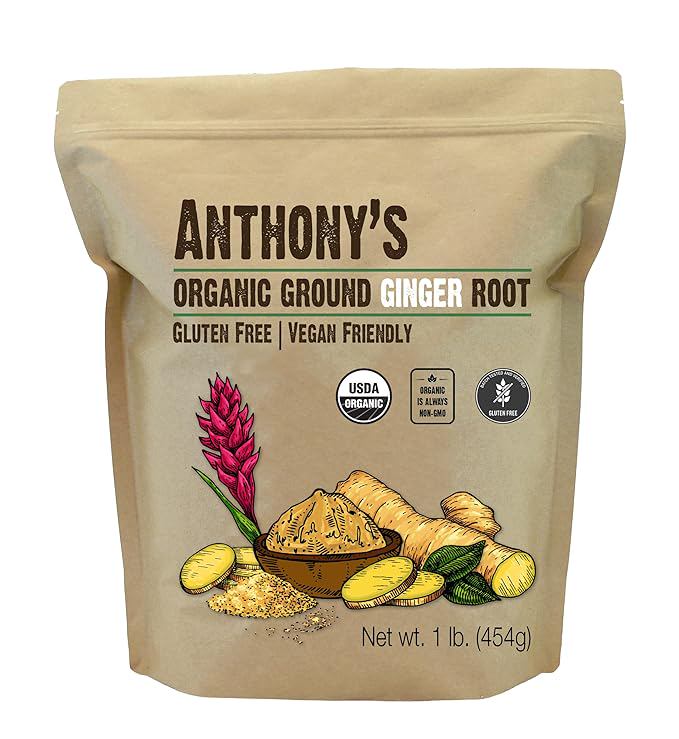
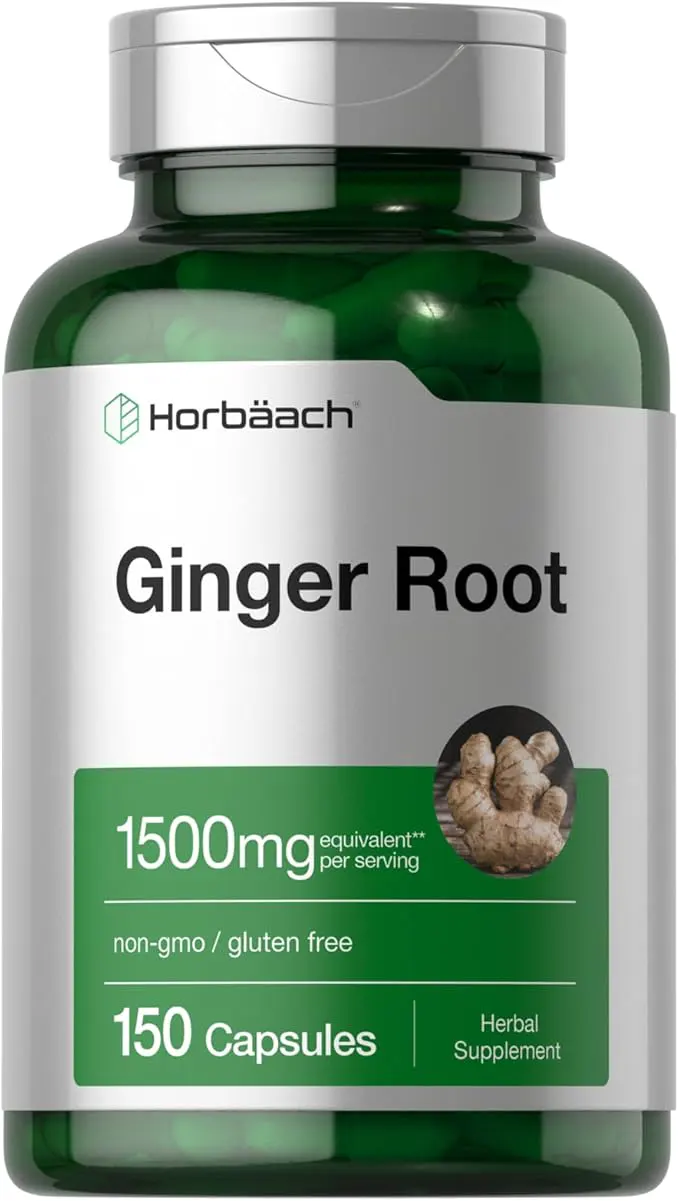
Ginger: A Natural Anti-Inflammatory Root
Ginger is not just a warming spice; it contains potent bioactive compounds called gingerols and shogaols. These compounds are powerful anti-inflammatory agents that can help reduce gut inflammation, a primary driver of barrier dysfunction.
Chronic inflammation weakens the tight junctions between intestinal cells, making the lining more porous. By calming this inflammation, ginger helps preserve the integrity of the barrier. Additionally, ginger stimulates digestive enzymes and bile production, promoting efficient digestion and reducing the stress on your gut. Less digestive stress means less wear and tear on the lining itself.
Fermented Vegetables: A Dose of Beneficial Bacteria
Your gut lining works in close partnership with your gut microbiome—the trillions of bacteria living inside you. An imbalance in these bacteria can directly compromise the intestinal barrier. Fermented vegetables like sauerkraut, kimchi, and pickles (naturally fermented, not vinegar-based) are rich in live probiotics.
These beneficial bacteria help crowd out harmful strains, produce short-chain fatty acids (SCFAs) like butyrate, and strengthen the gut barrier. Butyrate is especially critical: it nourishes colon cells, reinforces tight junctions, and reduces inflammation in the gut wall. A healthy bacterial ecosystem sends positive signals that tell your intestinal cells to stay strong and well-connected.
Start with a small serving, such as a tablespoon of sauerkraut with a meal, and gradually increase to allow your gut to adjust.
Mucilaginous Plants: Slippery Elm and Okra
Certain plants contain mucilage—a thick, gel-like fiber that forms a protective coating when mixed with water. This coating can soothe an irritated gut lining by adhering to the mucous membranes and reducing direct contact with irritants.
Slippery elm bark, okra, and aloe vera are prime examples. The mucilage acts as a temporary, physical barrier that gives the intestinal lining a chance to repair. It also plays a prebiotic role, feeding beneficial bacteria just like the fiber from fermented foods. When the lining is inflamed or damaged, this gentle, coating action can make a significant difference in reducing discomfort and preventing further irritation.
Okra is an easy option to add to stews or stir-fries. For slippery elm, look for a powdered supplement (loose or in capsules) and follow the product's instructions, mixing with water or a smoothie.
Lifestyle Factors That Support the Foods
While these four foods can directly support your intestinal lining, their effectiveness is amplified by a balanced lifestyle. Managing chronic stress, limiting alcohol, avoiding unnecessary antibiotic use, and getting enough sleep are all fundamental to gut health. Your diet and daily habits work together—food provides the raw materials, while your environment and behaviors determine how well those materials are used.
If you suspect you have gut lining issues, consider working with a healthcare provider or a registered dietitian who can guide you with a comprehensive approach. Food is a powerful tool, but it works best as part of an overall strategy for wellness.