
When your digestion feels sluggish and your energy flags by mid-afternoon, it is easy to blame lunch or a poor night's sleep. But beneath the surface, a vast community of microorganisms—your gut microbiome—is working around the clock to influence exactly those things. The balance of bacteria in your digestive tract does not just determine how well you break down food; it also plays a direct role in how much usable energy you extract from your meals and how steady your stamina feels throughout the day.
Understanding this connection is not about chasing trends. It is about learning a few core principles that can help you support your own digestive ecosystem with simple, daily habits. This is the practical side of gut health: not perfection, but a clearer sense of what helps and what hurts.
What does "bacterial balance" actually mean?
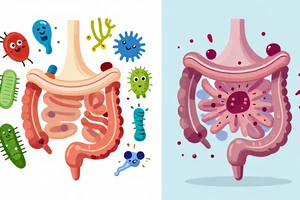
Your gut houses hundreds of species of bacteria, fungi, and other microbes. In a healthy state, the community is diverse—no single species dominates, and beneficial strains keep opportunistic ones in check. When we talk about balance, we mean this diversity and relative harmony.
Dysbiosis is the term for when that balance tips. It can happen after a course of antibiotics, during chronic stress, with a diet low in fiber, or from irregular sleep. In dysbiosis, the gut lining can become more permeable (sometimes called "leaky gut"), which can trigger low-grade inflammation and interfere with how nutrients are absorbed. This is where digestion suffers and energy begins to wane.
The digestion side: how bacteria help break down food
Humans cannot digest many of the complex carbohydrates found in plant foods—things like resistant starch, cellulose, and certain fibers. Gut bacteria can. When they ferment these fibers in the large intestine, they produce short-chain fatty acids (SCFAs) such as butyrate, acetate, and propionate.
Butyrate is especially important. It serves as the primary fuel for the cells lining your colon, keeping that barrier strong and functional. Without enough fiber to feed your bacteria, butyrate production drops, and the gut wall becomes less efficient at absorbing water and minerals. The result can be constipation, irregular bowel movements, and a feeling of incomplete digestion—all of which drain your energy in a subtle but real way.
The energy side: extracting fuel from your meals
Energy from food is not just about calories. It is about how well your body can access and use those calories. Gut bacteria influence this process through several direct mechanisms.
First, SCFAs act as a readily available energy source for your body. Acetate and propionate are absorbed into the bloodstream and can be used by the liver and muscles for fuel. Second, a healthy gut environment supports the absorption of key micronutrients that power your metabolism, particularly B vitamins, magnesium, and iron.
Third, and perhaps most importantly for energy, bacteria interact with the vagus nerve—the direct communication line between your gut and your brain. Signals from the microbiome can influence your stress response, your sleep-wake cycle, and even your subjective sense of alertness. When the gut is inflamed or unbalanced, that signaling becomes noisy, and the brain receives mixed messages about whether the body should be in rest mode or active mode.
How to support gut bacteria balance
The good news is that you do not need a complicated regimen or an expensive supplement to nudge your microbiome in the right direction. The most effective strategies are dietary, consistent, and well within reach.
Eat a variety of plant fibers
The single best thing you can do for bacterial diversity is to eat a wide range of fiber-rich plant foods. Aim for at least 30 different types of plants per week—this includes vegetables, fruits, legumes, whole grains, nuts, seeds, and herbs. Each type of fiber feeds different bacterial species, encouraging a robust and resilient community.
Include fermented foods
Foods like yogurt, kefir, sauerkraut, kimchi, and miso introduce live bacteria directly into your digestive tract. While these "probiotic" microbes do not colonize permanently, they can temporarily boost diversity and help crowd out less desirable strains. Adding a small serving of fermented food to your daily routine is a low-cost, high-benefit move.
Cut back on processed foods and added sugars
Highly processed foods and refined sugars tend to feed bacteria that are associated with inflammation and bloating. When you reduce these, you shift the environment to be more favorable for beneficial strains. This does not mean you need to be perfect—just aim for a pattern where whole foods make up the majority of your meals.
Practical tip: If you increase fiber intake suddenly, do it gradually over a few weeks. Your bacteria need time to adjust, and rushing can cause gas and bloating. Drink plenty of water to help the fiber do its work.
Respect your sleep and stress levels
The gut and brain are deeply connected. Chronic stress raises cortisol levels, which can alter gut motility and favor inflammatory bacteria. Similarly, poor sleep disrupts the timing of digestion and reduces microbial diversity. Prioritizing even one extra hour of sleep and a short daily stress-management practice (like a five-minute breathing exercise) can have a measurable effect on gut balance.
What about probiotics and supplements?
Probiotic supplements can be helpful in specific situations—after antibiotics or for particular digestive complaints—but they are not necessary for everyone. Whole food sources of probiotics are generally more beneficial because they come with other nutrients and a naturally diverse range of bacterial strains.
Similarly, prebiotic supplements (concentrated fibers like inulin or FOS) can be useful, but they should be introduced cautiously. Some people find that isolated prebiotics cause significant bloating or gas. It is usually better to get your prebiotics from whole foods like garlic, onions, leeks, asparagus, bananas, and oats.
It is also worth noting that there is no one-size-fits-all "perfect" microbiome. Your ideal bacterial community depends on your genetics, your environment, and your diet history. The goal is not to replicate someone else's gut profile, but to support your own ecosystem through consistent, gentle habits.
Signs your gut bacteria might be out of balance
While this is not a diagnostic tool, some common signals may indicate dysbiosis:
- Persistent bloating or gas after meals, even with foods you tolerate well
- Irregular bowel movements—either constipation or loose stools
- Unusual fatigue after eating, especially carbohydrate-heavy meals
- Brain fog or difficulty concentrating in the afternoon
- Recurring sugar cravings, which can be amplified by certain bacterial populations
If these patterns sound familiar, focusing on the dietary foundations—more fiber, more variety, fewer processed foods—is a reasonable first step. If symptoms persist or worsen, a conversation with a healthcare provider is always wise.
Gut health is not a quick fix. It is a daily practice of giving your resident microbes the fuel they need to help you digest well and feel steady. And because the gut sits at the center of so many bodily systems, small improvements here often echo outward into better sleep, sharper focus, and more reliable energy.