
When your digestive system starts sending subtle (or not-so-subtle) distress signals, it's easy to dismiss them as something you ate. But if you've been diagnosed with increased intestinal permeability—commonly known as leaky gut—you know that a worsening of symptoms can feel like a slow creep rather than a sudden crash. Learning to recognize the specific warning signs that your gut barrier is becoming more compromised can help you take action before a small imbalance turns into systemic inflammation.
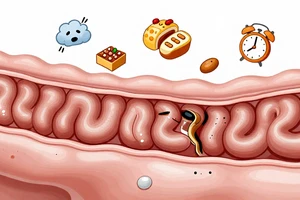
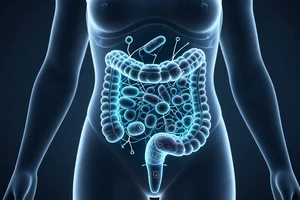
Leaky gut occurs when the tight junctions in your intestinal lining loosen, allowing undigested food particles, toxins, and microbes to "leak" into your bloodstream. When this barrier function declines further, the immune system mounts a stronger reaction. Below are six concrete signs that suggest your leaky gut may be progressing, not just lingering.
1. Unexplained Food Sensitivities Are Multiplying
If you suddenly react to foods you used to enjoy without issue—think bloating after oatmeal, brain fog after eggs, or a rash after tomatoes—you're seeing a classic sign of a worsening gut barrier. As the lining becomes more permeable, larger food proteins slip through and trigger immune responses. What used to be a mild occasional sensitivity can turn into a growing list of trigger foods.
What to look for: A pattern where you react to more foods over a shorter period, especially if reactions now include skin issues, fatigue, or joint aches alongside your digestive symptoms.
2. Fatigue That Doesn't Lift After Sleep
Everyone feels tired sometimes. But when you wake up after eight hours of sleep feeling as though you haven't rested at all, your gut is likely driving systemic inflammation. A worsening leaky gut releases lipopolysaccharides (LPS) into circulation—these are fragments of bacterial cell walls that activate your immune system. Chronic low-grade inflammation consumes energy, leaving you depleted even with adequate rest.
Morning fatigue that feels like a mental fog or heavy limbs is often your body signaling that the gut – immune axis is under chronic pressure.
3. Skin Breakouts or Rashes That Won't Settle
Your gut and skin share an intimate connection called the gut-skin axis. When intestinal permeability worsens, the resulting inflammation can trigger or worsen conditions like acne, rosacea, eczema, or keratosis pilaris. If your usual skincare routine stops working, and breakouts appear in clusters after meals, your gut lining may be the hidden driver.
4. Joint Aches That Move Around
Worsening leaky gut often causes a migratory joint pain—aching in your knees one day, your wrists the next. This happens because immune complexes formed from leaked food particles or bacterial debris settle in joint tissues. Unlike arthritis with localized swelling, this pain tends to be more diffuse and may worsen after eating trigger foods.
Keep a food-joint diary: Note what you eat and whether you experience joint stiffness or achiness 12 to 48 hours later. If a clear pattern emerges, your gut barrier is likely allowing inflammatory compounds into your circulation.
5. Brain Fog That Interferes with Daily Tasks
Struggling to find words, losing your train of thought mid-sentence, or feeling "out of it" an hour after meals points to gut-derived neuroinflammation. The vagus nerve and circulatory system carry inflammatory signals from your gut to your brain. When leaky gut worsens, brain fog can shift from an occasional annoyance to a daily barrier to focus and memory.
6. Stool Changes That Signify Malabsorption
This is one of the most concrete physical signs. If your stools become looser, more frequent, greasy, or float persistently, it may indicate that damage to your intestinal lining is now interfering with nutrient absorption. Undigested fat in stool (steatorrhea) often appears pale, foul-smelling, and sticky. This suggests your gut is struggling to process nutrients—a hallmark of advancing intestinal permeability.
If you recognize three or more of these signs in yourself, it's worth discussing them with a healthcare provider. Leaky gut is not a formal medical diagnosis for all practitioners, but the underlying concept of increased intestinal permeability is well-documented. A functional medicine practitioner, gastroenterologist, or registered dietitian can help you identify triggers and create a gut-supportive plan involving anti-inflammatory foods, targeted supplements, and stress management.
In the meantime, supporting your gut barrier with bone broth, collagen, glutamine-rich foods, fermented vegetables, and a focus on whole foods can help calm the leak. Catching worsening signs early gives you the best chance of reversing the trend before it affects your whole-body health.