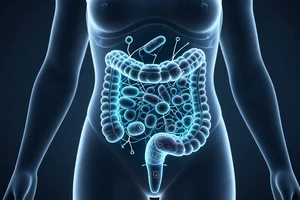

Leaky gut syndrome remains a topic of intense discussion among functional medicine practitioners and gastroenterologists. While it is not yet a formal medical diagnosis taught in most medical schools, the underlying science—increased intestinal permeability—is well established. Your intestinal lining acts as a selective barrier, allowing nutrients to pass into your bloodstream while keeping larger particles, toxins, and microbes out. When that barrier becomes compromised, it can trigger a cascade of systemic inflammation. But how do you know if your gut barrier is actually damaged? Two specific symptoms stand out as reliable signals.
Persistent Bloating and Gas After Most Meals
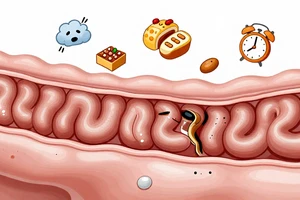
Everyone experiences occasional bloating after a large meal or a particularly fibrous vegetable platter. That is normal digestion at work. The kind of bloating linked to leaky gut is different: it is chronic, it happens after nearly every meal, and it does not seem to correlate with what you ate. You might feel distended within thirty minutes of eating a simple, clean meal like grilled chicken and steamed rice. This pattern suggests that your intestinal lining is inflamed and that larger-than-normal food particles are slipping through before they have been fully broken down.
When those partially digested particles enter your bloodstream, your immune system flags them as foreign invaders. That immune response is what drives the bloat and gas. Your body is essentially mounting a low-grade inflammatory attack every time you eat. Over time, this daily immune activation can exhaust your system and contribute to more widespread symptoms like fatigue and joint pain.
If you bloat after nearly every meal—even meals that are healthy and balanced—that is a stronger signal than occasional discomfort. It points to an ongoing reaction at the gut lining, not just a digestive hiccup.
Unexplained Food Sensitivities That Keep Growing
The second hallmark symptom is the gradual and seemingly random expansion of food sensitivities. You might eat a food you have tolerated for years—say, eggs or almonds—and suddenly feel foggy, nauseous, or achy afterward. Then another food triggers a similar response. Over months, your list of safe foods keeps shrinking. This pattern is a classic downstream effect of leaky gut.
Here is why that happens. Your gut lining is designed to be a filter with tiny gaps that allow fully digested nutrients—amino acids, simple sugars, fatty acids—to pass through. When the tight junctions between your intestinal cells loosen, larger fragments of protein and fat slip into your bloodstream. Your immune system has never seen these fragments before—not in this form—so it creates antibodies against them. Now, every time you eat that food, your immune system launches an inflammatory attack. The result is that you develop new sensitivities to foods you once ate without any problem.
The Difference Between a True Allergy and a Sensitivity
True food allergies involve IgE antibodies and cause immediate, dramatic reactions like hives or anaphylaxis. The sensitivities linked to leaky gut are driven by IgG and IgA antibodies and produce delayed symptoms that can appear hours or even a day after eating. That delay is why so many people do not connect the dots. You eat oatmeal on Monday, feel sluggish and achy on Tuesday, and never link the two. If you track your meals and symptoms carefully, you might notice a clear pattern between certain foods and low-grade inflammation that shows up twelve to thirty-six hours later.
Why These Two Symptoms Matter More Than You Think
Bloating and expanding food sensitivities are not just uncomfortable nuisances. They represent the two main pathways through which leaky gut drives systemic inflammation. The bloating signals active intestinal inflammation and the presence of undigested particles entering circulation. The food sensitivities signal the immune system's learned response to those particles. Together, they create a feedback loop: the more your gut leaks, the more food sensitivities you develop; the more foods you react to, the more inflammation you carry; the more inflammation you carry, the harder it is for your gut lining to heal.
Breaking that loop requires addressing the root causes. Common triggers include chronic stress, nonsteroidal anti-inflammatory drugs (NSAIDs) like ibuprofen, excessive alcohol consumption, a diet high in processed foods and low in fiber, and underlying infections like small intestinal bacterial overgrowth (SIBO). Restoring gut barrier integrity typically involves removing inflammatory foods temporarily, supporting digestive function with targeted nutrients, and reintroducing a diverse range of fermentable fibers to rebuild a healthy microbiome.
If you recognize these two symptoms in your own life—constant bloating and a growing list of food sensitivities—it is worth exploring gut health with a qualified practitioner. Leaky gut is reversible, but it does not go away on its own. The earlier you intervene, the sooner you can stop the inflammation cycle and return to eating without fear of what your next meal will do to you.
This article is for general educational purposes and does not replace individualized medical advice. Work with a healthcare professional to determine the right approach for your specific situation.