
The concept of a “gut-brain connection” has moved from fringe wellness to mainstream science, but the actual machinery behind it—the gut-brain barrier—is less understood. This biological interface isn't a single wall; it's a layered system of cells, mucus, and immune tissue that decides what passes from your digestive tract into your bloodstream, and ultimately, what signals reach your brain.
When this barrier weakens—a condition often called “leaky gut” or increased intestinal permeability—undigested food particles, bacterial fragments, and toxins can slip through. The immune system responds with low-grade inflammation, which can cloud cognition, trigger mood changes, and worsen conditions like brain fog, anxiety, and chronic fatigue. The good news: dietitians agree that food and lifestyle choices can reinforce this barrier without supplements or extreme protocols.
What is the gut-brain barrier, really?
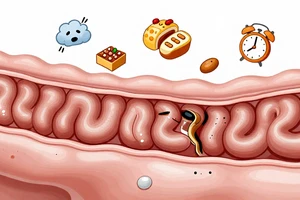
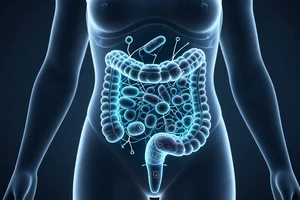
Think of the gut-brain barrier as the bouncer for your digestive system. It includes a single layer of epithelial cells, a mucus blanket, antimicrobial proteins, and the tight junctions that lock cells together. On the other side, the blood-brain barrier acts as a second checkpoint. When the gut side is compromised, inflammatory signals can eventually affect the brain.
Registered dietitians point out that this barrier is not static—it responds within hours to what you eat. A meal high in saturated fat and sugar can make tight junctions looser, while fiber-rich plant foods can tighten them.
Fiber is the foundation
If you take one thing from this article, let it be this: soluble fiber is the single most researched nutrient for gut barrier integrity. It feeds beneficial bacteria that produce short-chain fatty acids like butyrate. Butyrate is the primary fuel for the cells lining your colon and directly strengthens tight junctions.
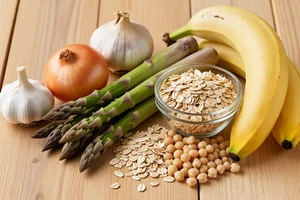
You do not need exotic ingredients. Ground flaxseed, cooked and cooled potatoes (resistant starch), oats, beans, lentils, and Jerusalem artichokes are reliable sources. Dietitians recommend aiming for at least 25–30 grams of total fiber daily, with a focus on soluble varieties. A simple swap: replace white rice with a bowl of lentil soup or overnight oats.
Polyphenols: the anti-inflammatory gatekeepers
Polyphenols are plant compounds that act as prebiotics and anti-inflammatory agents. They increase beneficial bacteria like Bifidobacterium and Lactobacillus, which reinforce the gut barrier. They also reduce oxidative stress that can damage tight junctions.
Rather than buying a polyphenol powder, eat the whole foods: blueberries, dark chocolate (70% cacao or higher), green tea, extra-virgin olive oil, and a handful of walnuts daily. Matcha and hibiscus tea are also concentrated sources. One cup of green tea per day has been shown to reduce intestinal permeability in human studies.
Pro tip from dietitians: Pair polyphenol-rich foods with a little protein or fat (like yogurt or nuts) to enhance absorption without overwhelming the gut.
Omega-3s repair and reduce permeability
Omega-3 fatty acids, particularly EPA and DHA, are known for their anti-inflammatory effects, but they also directly support gut barrier function. They increase the expression of proteins that form tight junctions and reduce inflammatory molecules that break them down.
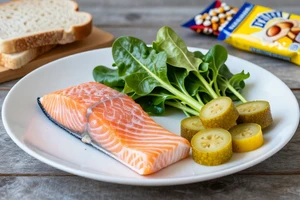
Fatty fish like salmon, mackerel, sardines, and herring are the best sources. For plant-based eaters, algae oil supplements offer DHA, but whole food sources like chia seeds, ground flaxseed, and walnuts provide ALA, which your body partially converts. Dietitians note that fatty fish 2–3 times per week is a realistic goal that outperforms relying on supplements alone.
Glutamine-rich foods for cellular repair
L-glutamine is an amino acid that serves as a key fuel source for intestinal cells. Research suggests it can protect against gut barrier disruption caused by stress, infection, or chemotherapy. While glutamine supplements are available, dietitians generally recommend food sources first.
You can find glutamine in beef, chicken, fish, eggs, dairy, tofu, cabbage, beets, and beans. Bone broth is also touted for gut health, primarily due to its glutamine and glycine content. A bowl of lentil soup or a handful of roasted pumpkin seeds is a practical way to add glutamine without changing your entire diet.
Vitamin D and zinc: the mineral connection
These two micronutrients are essential for maintaining the physical structure of the gut barrier. Vitamin D regulates the expression of tight junction proteins, while zinc helps repair the barrier after injury.
Spending 15–20 minutes in midday sun with arms exposed is the most efficient way to boost vitamin D levels. For food sources, opt for fatty fish, egg yolks, and fortified dairy. Zinc is plentiful in oysters, pumpkin seeds, beef, and chickpeas. Dietitians advise against high-dose zinc supplementation unless a deficiency has been confirmed, as too much zinc can cause nausea and suppress immunity.
What to limit for a healthy barrier
No amount of healthy food can fully compensate for a diet high in processed foods. Industrial seed oils (soybean, corn, sunflower), refined sugars, excess alcohol, and artificial emulsifiers (like polysorbate 80 and carboxymethylcellulose) have all been shown to disrupt the gut barrier in controlled studies.
You do not need to eliminate these entirely—that’s unsustainable for most people—but reducing frequency matters. For instance, swapping soda for sparkling water with lemon for even two weeks can lower inflammatory markers linked to gut permeability.
Lifestyle factors dietitians overlook
Sleep, stress, and exercise directly affect the gut-brain barrier. Chronic sleep deprivation increases cortisol, which loosens tight junctions. Exercise, especially moderate aerobic activity like brisk walking or cycling for 30 minutes most days, increases blood flow to the gut and promotes a healthier microbiome. Mindful breathing or a short morning walk can lower sympathetic nervous system activity, which triggers a more relaxed digestive environment.
Caveat: Intense endurance exercise without adequate recovery can actually increase gut permeability temporarily, so balance is key.
A realistic day for gut barrier support
- Breakfast: Oatmeal topped with blueberries and ground flaxseed.
- Lunch: Lentil and vegetable soup with a side of sauerkraut (fermented foods add beneficial microbes).
- Snack: A handful of walnuts and a square of dark chocolate.
- Dinner: Grilled salmon, roasted sweet potatoes, and steamed broccoli drizzled with olive oil.
This template covers fiber, polyphenols, omega-3s, glutamine, vitamin D, and zinc—all in whole food form. It’s not a prescription but a pattern that dietitians often recommend.
Frequently asked questions
For a deeper dive, see the structured Q&A section below, which addresses the most common reader questions about this topic.