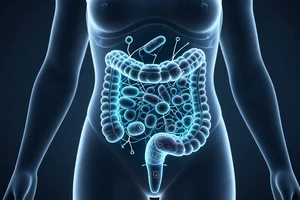

That tight, distended feeling in your belly after eating is incredibly common. If you find yourself unbuttoning your jeans after lunch or feeling uncomfortably full even after a modest meal, you’re not alone. Post-meal bloating can range from a minor nuisance to a real disruption of your day, and many people assume it’s just something they have to live with.
Registered dietitians take a different view. While occasional bloating is normal, chronic or severe bloating often signals that something in your eating routine can be gently adjusted. Here is what dietitians actually recommend—not a one-size-fits-all elimination diet, but practical, evidence-informed strategies you can try on your own.
Why do I bloat after eating?
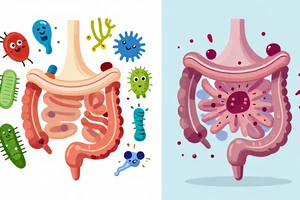
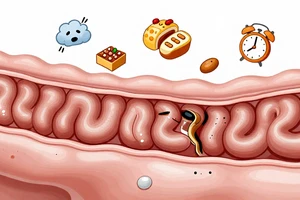
Bloating occurs when gas or fluid accumulates in your gastrointestinal tract. Common triggers include swallowing air while eating too quickly, eating foods that produce gas during digestion, or underlying sensitivities to certain nutrients. Dietitians emphasize that the goal isn’t to banish all gas (some is normal) but to identify patterns that cause excessive discomfort.
Slow down and chew thoroughly
One of the simplest, most effective recommendations is to change how you eat. When you rush through a meal, you swallow more air, and larger food particles can be harder for your digestive system to break down. Dietitians suggest aiming for at least 20 minutes per meal and chewing each bite until it’s liquid-like. Putting your fork down between bites and taking small sips of water can also help pace you.
Identify your personal trigger foods
Certain foods are more likely to cause gas for many people, but individual tolerance varies widely. Common culprits include:
- Beans and lentils – they contain complex sugars called oligosaccharides that the small intestine doesn’t fully absorb.
- Cruciferous vegetables – broccoli, cauliflower, cabbage, and Brussels sprouts are high in fiber and sulfur compounds.
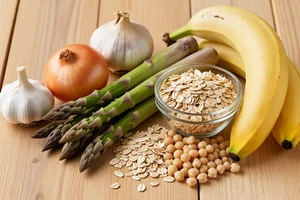
- Onions and garlic – rich in fructans, a type of fermentable carbohydrate.
- Wheat and rye – also contain fructans.
- Dairy products – if you have lactose malabsorption, the undigested lactose can ferment in the colon.
- Carbonated beverages and chewing gum – both introduce extra air into your digestive tract.
Rather than cutting everything out at once, keep a simple food-and-symptom diary for a week or two. Record what you ate, how quickly you ate, and when bloating occurred. That pattern can reveal one or two specific triggers worth reducing.
Watch your portion size and fat intake
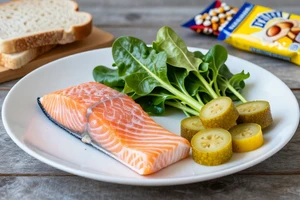
Large meals stretch the stomach, and high-fat meals slow gastric emptying, giving food more time to ferment and produce gas. Dietitians often recommend smaller, more frequent meals and being mindful of very fatty dishes—especially fried foods and heavy sauces. Including lean protein and non-starchy vegetables can help you feel satisfied without overwhelming your digestive capacity.
Consider a low-FODMAP trial (with guidance)
For people with persistent bloating, a dietitian may suggest a short-term low-FODMAP diet. FODMAPs are fermentable carbohydrates that pull water into the bowel and produce gas during fermentation. The diet involves eliminating high-FODMAP foods for several weeks, then systematically reintroducing them to find your personal threshold. This is best done with a dietitian’s help to ensure nutritional adequacy and avoid unnecessary restriction.
Move your body after eating
A gentle walk after a meal—about 10 to 15 minutes—can stimulate digestion and help move gas through the intestines. Lying down immediately after eating can slow digestion, so staying upright and active is preferable. Avoid intense exercise, which can divert blood flow away from digestion.
When to see a healthcare provider
Bloating that is severe, frequent, or accompanied by pain, diarrhea, constipation, blood in the stool, or unintended weight loss warrants a medical evaluation. Dietitians stress that their advice is for general wellness, not for diagnosing conditions like irritable bowel syndrome, gastroparesis, or celiac disease. If your symptoms persist despite gentle dietary changes, a doctor can help rule out underlying issues.
“Bloating is a signal, not a sentence. Small, consistent changes to how and what you eat can make a surprising difference.” — paraphrased from a common dietitian insight
Should you take supplements?
Some people find relief with over-the-counter digestive enzymes (like alpha-galactosidase for beans) or probiotics, but dietitians caution against treating supplements as a first line. The evidence is mixed, and the best approach is to address eating habits and food choices before reaching for a pill. If you do try a supplement, choose one with a specific strain that has research behind it, and only after discussing it with a healthcare provider.
Post-meal bloating doesn’t have to be your new normal. With a little curiosity about your own body’s patterns, and some practical tweaks to your eating routine, you can often find meaningful relief.