Fermented foods have become a staple in gut-health conversations, and kimchi — the spicy, sour Korean side dish — often leads the pack. It's crunchy, pungent, and packed with flavor, but is it really the gut-health powerhouse it's cracked up to be? And if you're new to it, is there anything you should watch out for before you add a jar to your cart?
The short answer is yes: kimchi can be excellent for gut health, thanks to the live bacteria produced during fermentation. But like any functional food, it's not a magic bullet, and how it fits into your overall diet — plus the specific variety you buy — matters a lot. Let's break down what you actually get from kimchi, what to look for on the label, and who might want to take it slow.
What makes kimchi good for the gut?
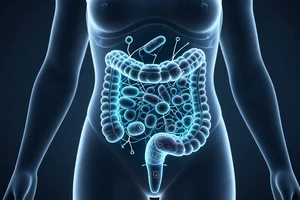
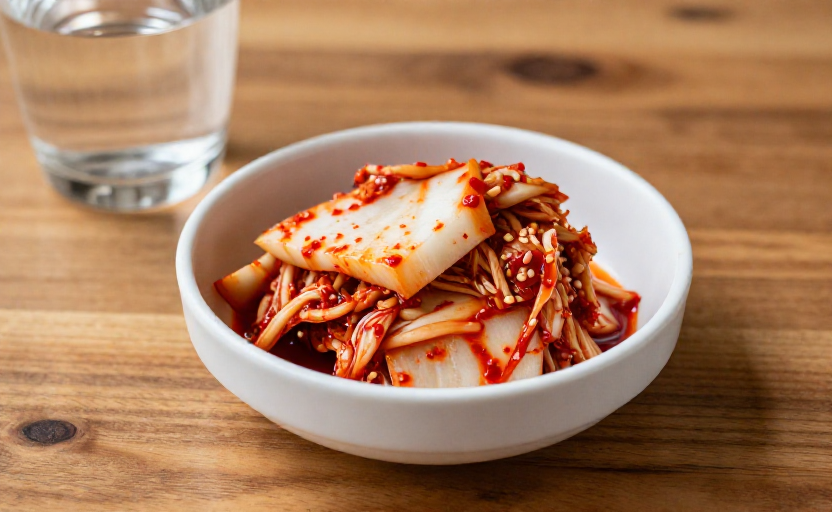
Kimchi gets its gut-friendly reputation from lacto-fermentation. During this process, naturally occurring Lactobacillus bacteria (along with other microbes) break down sugars in the vegetables, producing lactic acid. This creates an acidic environment that preserves the kimchi and, more importantly, loads it with live probiotics.
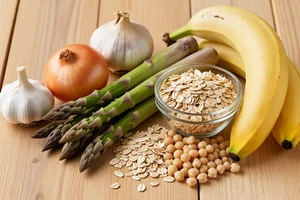
These probiotics are the same family of bacteria found in yogurt, kefir, and sauerkraut. Once you eat them, they travel to your lower intestine, where they can help maintain a balanced gut microbiome. A healthy microbiome is linked to better digestion, reduced inflammation, and even improved mood and immune function. Kimchi also brings raw vegetables — usually napa cabbage, radish, and scallions — which provide prebiotic fiber (food for those good bacteria) and a dose of vitamins A, C, and K.
A single serving of traditional kimchi can contain anywhere from 10 million to 100 million colony-forming units (CFUs) of live bacteria. That's comparable to many probiotic supplements, but you get it in a whole-food package with far more nutrients and far less processing.
Does all kimchi contain probiotics?
Not all jars are created equal. The probiotic content depends on whether the kimchi is unpasteurized (raw) and refrigerated. Many mass-produced kimchi brands pasteurize their product to extend shelf life. Pasteurization kills the beneficial bacteria right along with the harmful ones. If the jar sits on a shelf at room temperature — not in the refrigerated section — it almost certainly has no live probiotics. Always check the label for phrases like "live cultures," "raw," or "unpasteurized." If it says "pasteurized" or "heat-treated," you're still getting the vegetables and spices, but not the gut bacteria.
Another factor: how fresh is it? Fermented foods lose some bacterial activity over time, even when refrigerated. Kimchi that's been sitting in your fridge for six months will have fewer live probiotics than a freshly purchased batch. That's fine — it's still a tasty condiment — but if your goal is gut health, eat it within a few weeks of opening.
Potential downsides to keep in mind
Kimchi isn't perfect for everyone. Here are a few things to consider before you make it a daily habit.
Sodium content
Kimchi is made with salt — lots of it. A half-cup serving can contain 500 to 800 milligrams of sodium. That's a big chunk of the daily recommended limit (2,300 mg for most adults). If you have high blood pressure, kidney issues, or are watching your salt intake for any reason, you'll want to use kimchi sparingly or look for low-sodium versions. Some brands now offer reduced-salt options that still use enough salt for proper fermentation.
Spice and digestive sensitivity
Traditional kimchi is seasoned with gochugaru (Korean red chili powder), garlic, and ginger. For most people, these are anti-inflammatory and beneficial. But if you have acid reflux, IBS, or a sensitive stomach, the spice and allicin from raw garlic can trigger irritation or discomfort. If you're unsure, start with a small portion — say, a tablespoon alongside a meal — and see how you feel. Myeolchi-jeot (fermented anchovies) is another common ingredient; if you're allergic to fish or follow a vegan diet, check the label for fish sauce or shrimp paste.
Histamine content
Because kimchi is fermented and aged, it's high in naturally occurring histamines. If you have histamine intolerance or mast cell activation syndrome, fermented foods can cause headaches, flushing, or digestive upset. This is not a common issue, but it's real for a subset of people. If you've noticed you react badly to aged cheese, wine, or sauerkraut, go slow with kimchi too.
How much kimchi should you eat for gut health?
There's no official recommended serving size for gut benefits. A good practical target is about 2 to 4 tablespoons (roughly 1–2 ounces) per day — enough to get a meaningful dose of probiotics without overdoing the sodium or spice. You can eat it as a side dish, toss it into grain bowls, top eggs or avocado toast, or stir it into soups and stews (add it after cooking to preserve the live cultures).
Consistency matters more than quantity. A daily spoonful of live-culture kimchi over months is far more beneficial than a large bowl once a week.
What to look for when buying kimchi
Not all brands are equally gut-friendly. Here's a quick checklist for your next grocery run:
- Refrigerated section only. Shelf-stable jars are pasteurized and dead.
- Short ingredient list. Traditional kimchi doesn't need preservatives, artificial colors, or added sugar.
- Live cultures stated. Look for "contains live probiotics" or "raw fermented" on the label.
- Check the sodium per serving. If it's over 600 mg per half-cup and you're salt-sensitive, buy a low-sodium version or use less.
- Watch for added MSG or high fructose corn syrup. These are common in cheaper brands but aren't part of traditional recipes.
- Glass jars preferred. Plastic can sometimes affect the fermentation environment, though it's a minor point compared to pasteurization.
A few well-known brands that fit the bill (without my recommending specific ones) include those found in Korean grocery stores or the refrigerated natural foods section — they tend to have shorter, cleaner ingredients. Small-batch, locally made kimchi from farmers' markets is often the gold standard for live cultures and freshness.
Can you make your own kimchi?
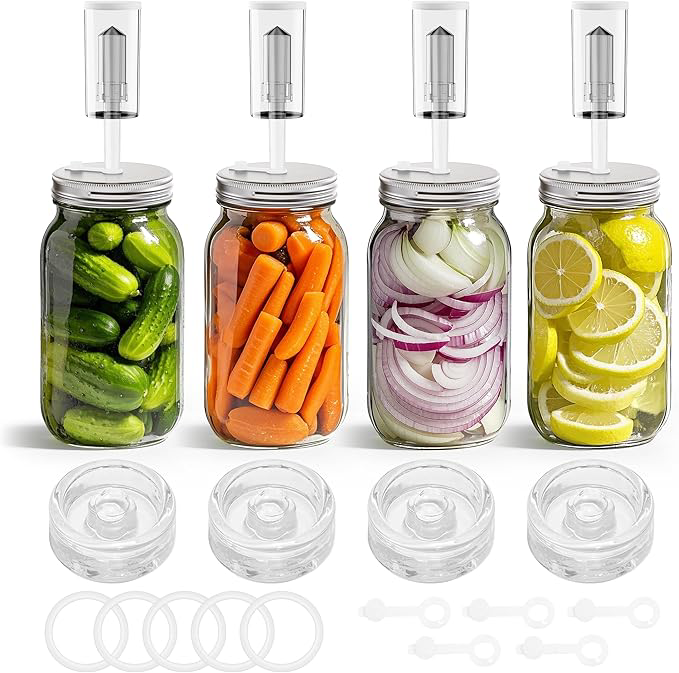
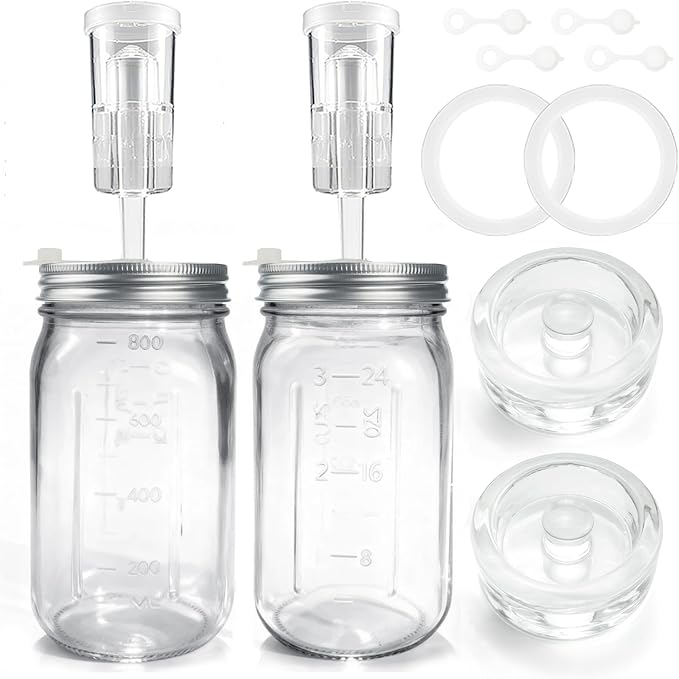
If you're remotely handy in the kitchen, making kimchi at home is surprisingly easy and gives you full control over salt, spice, and fish content. You just need napa cabbage, sea salt, gochugaru, garlic, ginger, and optionally a fermented paste (or fish sauce). The process takes a couple of hours of active prep and about 1–5 days of fermentation at room temperature, depending on how tangy you like it. Homemade kimchi is almost always more probiotic-rich than store-bought, and you can tweak the recipe to suit your taste and dietary restrictions.
The bottom line
Kimchi is a legit gut-health food — loaded with live probiotics, prebiotic fiber, and anti-inflammatory compounds from garlic and ginger. But it's not a one-size-fits-all solution. Watch the sodium, check for pasteurization, and listen to your stomach if you're sensitive to spice or histamines. A small daily serving of raw, refrigerated kimchi can be a flavorful addition to a gut-friendly diet, especially when paired with other whole foods like vegetables, whole grains, and lean protein.
As with any dietary change, it's best to start slow and see how your body responds. If you tolerate it well, enjoy it — your gut microbes will thank you.