
If your digestive system has been staging daily protests—rumbling after meals, unpredictable bathroom trips, a persistent feeling of bloating that makes your jeans feel two sizes too small—you are not alone. Irritable Bowel Syndrome (IBS) affects millions of people, yet it often goes undiagnosed for years because the symptoms can feel vague or embarrassing to mention. The truth is that your diet plays a leading role in how your gut behaves, and learning to read its warning signs is the first step toward calmer digestion.
IBS is a chronic condition of the large intestine, but unlike inflammatory bowel disease (IBD) or a stomach bug, it does not cause visible damage to your tissues. Instead, it disrupts the normal rhythm of your gut—sometimes speeding things up, sometimes grinding them to a halt. The symptoms are real, and they are directly influenced by what you eat, how you eat, and the unique community of bacteria living in your digestive tract.
What are the most common IBS symptoms?
IBS manifests differently from person to person, but most people experience a core set of symptoms that tend to flare up within an hour or two of eating. The most frequently reported complaints include:
- Abdominal pain and cramping — often relieved by passing gas or having a bowel movement. The pain can range from a dull ache to sharp stabbing sensations.
- Bloating and distension — feeling puffy or visibly swollen in the belly, even after a normal-sized meal.
- Excessive gas — either burping or passing gas more frequently than usual.
- Changes in bowel habits — this can mean diarrhea, constipation, or a frustrating cycle of both (called mixed IBS).
- Mucus in the stool — a whitish or clear discharge that is not common in healthy digestion.
- Urgency — the sudden, sometimes uncontrollable need to use the bathroom, especially after eating.
Many people also report symptoms that seem unrelated to the gut, such as fatigue, trouble sleeping, and anxiety. This is because the gut and brain are tightly connected through the gut-brain axis, and an irritated bowel can send stress signals that affect your entire body.
How do you know if your diet is causing your IBS?
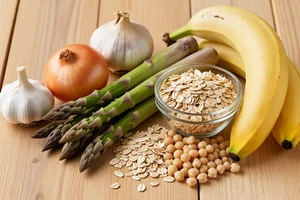
Not everyone who eats a less-than-perfect diet develops IBS, but for those who are predisposed, food is often the trigger. The most common dietary culprits include fermentable carbohydrates known as FODMAPs (Fermentable Oligosaccharides, Disaccharides, Monosaccharides, and Polyols). These short-chain carbs are poorly absorbed in the small intestine and get rapidly fermented by gut bacteria, producing gas, bloating, and pain.
Foods high in FODMAPs include:
- Wheat and rye
- Certain fruits (apples, pears, mangoes, watermelon)
- Onions and garlic
- Legumes and lentils
- Dairy products containing lactose
- Artificial sweeteners like sorbitol and xylitol
If you notice that your symptoms worsen after eating these foods, your diet may be a major factor. However, IBS is rarely caused by a single food; it is usually the combination of high-FODMAP foods eaten together, plus stress, sleep quality, and your unique gut microbiome.
When should you start paying attention?
At some point, most people experience a stomachache after a heavy meal. The difference with IBS is that symptoms become a recurring pattern—happening several times a week for weeks or months at a time. You should pay close attention if:
- You often cancel plans because your stomach is acting up.
- You avoid certain foods you used to love because you are afraid of the aftermath.
- You have tried over-the-counter remedies without lasting relief.
- Your bowel habits have clearly changed (e.g., going from one daily movement to three diarrhea episodes after meals).
- You feel that your digestion is controlling your life rather than the other way around.
A simple warning sign: if your symptoms improve when you eat a low-FODMAP diet for a few days and return when you reintroduce trigger foods, your diet almost certainly needs adjustment.
Can stress alone cause IBS symptoms?
Stress alone does not cause IBS, but it is a powerful amplifier. The gut is lined with millions of nerve cells that are directly connected to your brain. When you feel anxious or overwhelmed, your brain sends signals to the gut that can alter motility, increase sensitivity to gas, and trigger inflammation. This means that two people eating the exact same meal might have very different reactions depending on their stress levels. Managing stress is not a cure for IBS, but it can dramatically reduce the intensity and frequency of flare-ups.
Why intestinal bacteria matter in IBS
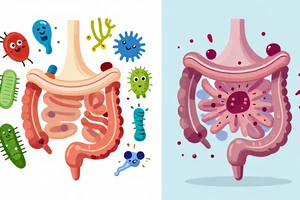
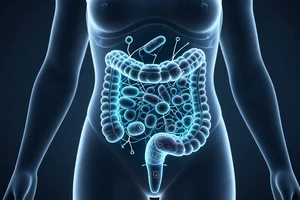
Your gut houses trillions of bacteria—collectively called the microbiome—that help digest food, produce vitamins, and regulate immune function. In IBS, this bacterial community is often less diverse than in healthy individuals, and certain species may be overgrown. This imbalance, called dysbiosis, can worsen bloating, pain, and diarrhea. Diet is the most effective tool for shaping the microbiome. Fiber-rich foods, fermented foods like yogurt and sauerkraut, and low-FODMAP options can help restore a healthier balance over time.
Eating habits that trigger IBS symptoms
Beyond the foods themselves, the way you eat can set off symptoms. Common triggers include:
- Eating too quickly, swallowing air that leads to gas.
- Skipping meals followed by eating a large meal, which overloads the digestive system.
- Drinking carbonated beverages, which introduce extra gas.
- Consuming caffeine and alcohol, which can stimulate the gut to move too fast.
- Eating large amounts of high-fat foods, which delay stomach emptying and can cause discomfort.
Simple changes—like eating smaller meals, chewing thoroughly, and drinking still water—can reduce symptoms even before you change which foods you eat.
When to see a doctor about IBS symptoms
If you have any of the following, you should see a healthcare provider before making major dietary changes: unintentional weight loss, blood in your stool, persistent fever, severe pain that wakes you from sleep, or a family history of colon cancer. These red flags may indicate a condition other than IBS that requires medical evaluation. For most people, though, a doctor can diagnose IBS based on the Rome IV criteria—a set of symptom patterns—and help guide you toward dietary and lifestyle interventions that work.
If you think your diet may be contributing to your IBS symptoms, try keeping a simple food and symptom diary for two weeks. Note what you eat, when you eat, and how you feel afterward. Patterns will often emerge clearly, showing you the specific foods or habits that are causing trouble. That is actionable information. And once you have it, you can begin making small, targeted changes to bring your gut back to a more peaceful place.