
For years, the link between irritable bowel syndrome (IBS) and intestinal permeability—commonly known as leaky gut—was considered fringe science. Today, a growing body of research suggests the two conditions frequently travel together, sharing common triggers and underlying mechanisms. If you have been managing stubborn IBS symptoms that don't fully respond to standard dietary changes, understanding this connection could be the missing piece.
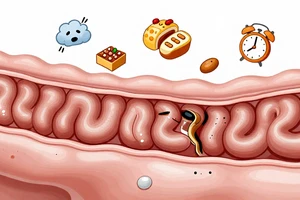
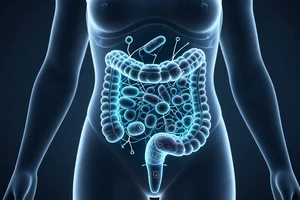
Leaky gut refers to a breakdown in the tight junctions of the intestinal lining, which normally act as a gatekeeper. When those junctions loosen, larger food particles, toxins, and bacteria can slip into the bloodstream, triggering immune responses and low-grade inflammation. This process can worsen IBS symptoms like bloating, gas, cramping, and erratic bowel habits. The good news is that strategies exist to calm both conditions at once.
What causes the gut barrier to weaken?
Several factors can compromise intestinal integrity. Chronic stress is a major player—elevated cortisol directly affects tight junction proteins. Processed foods high in sugar and unhealthy fats can feed pro-inflammatory bacteria and starve protective microbes. Nonsteroidal anti-inflammatory drugs (like ibuprofen), excessive alcohol consumption, and even undiagnosed food intolerances also play a role. With IBS, the gut is already hypersensitive; adding leaky gut to the picture can create a cycle of worsening symptoms.
Dietary approaches that target both conditions
Rather than chasing an ever-growing list of forbidden foods, the most effective strategy is to add protective elements that strengthen the intestinal barrier while removing common irritants. A low-FODMAP diet remains a gold standard for IBS symptom relief, but it does not directly heal leaky gut. Combining it with gut-healing nutrition offers broader benefits.
Nutrients that support tight junctions
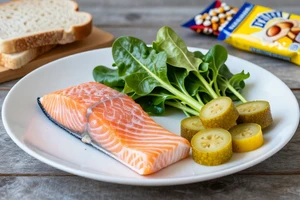
L-glutamine, an amino acid found in bone broth, chicken, eggs, and cabbage, is the primary fuel for intestinal cells. Including these foods regularly can help maintain a robust barrier. Zinc, abundant in pumpkin seeds, beef, and chickpeas, is essential for tissue repair. Vitamin A and D—present in carrots, sweet potatoes, liver, eggs, and fatty fish—modulate immune tolerance and cellular integrity. Collagen-rich foods like homemade stock or gelatin-based desserts provide glycine and proline, which form the scaffolding of the gut lining.
Anti-inflammatory fiber sources
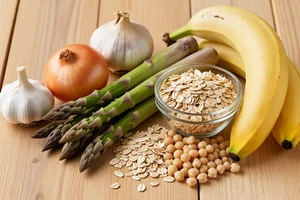
Soluble fiber acts like a gentle scrub for the gut, but many IBS patients flare with high-fiber foods. The solution lies in selecting low-fermentable options: oats, ripe bananas, carrots, peeled potatoes, and psyllium husk. These fibers support short-chain fatty acid production (especially butyrate), which signals the tight junctions to tighten. Introducing fiber slowly and dividing it across meals prevents gas overload.
A simple morning ritual—warm water with lemon followed by a bowl of oatmeal with banana—provides prebiotics and hydration without overstimulating the colon.
Lifestyle levers that tighten the barrier
Diet alone rarely suffices if lifestyle factors keep the gut under fire. Sleep quality profoundly affects intestinal permeability. A single night of poor sleep can elevate circulating endotoxins, bacterial fragments that pass through a loosened gut lining. Aiming for seven to nine hours and maintaining a consistent bedtime supports circadian rhythms that regulate digestion and cellular repair.
Stress management deserves a permanent spot in your treatment toolbox. Mindfulness-based practices, deep breathing exercises, or gentle yoga do not just calm the mind—they directly signal the gut to reduce inflammation and improve barrier function. Even ten minutes of diaphragmatic breathing before meals can lower cortisol spikes that would otherwise open tight junctions.
Physical activity also plays a role. Moderate movement, such as walking after meals, stimulates peristalsis and reduces systemic inflammation. High-intensity training, however, may temporarily worsen leaky gut due to reduced blood flow to the intestines, so balancing intensity is key.
Supplements worth discussing with a professional
While food comes first, certain supplements have shown promise in clinical contexts for leaky gut and IBS. Curcumin, the active compound in turmeric, reduces intestinal inflammation. Ginger can soothe nausea and support motility without overstimulation. Deglycyrrhizinated licorice (DGL) helps coat and calm irritated mucous membranes. Probiotics, specifically strains like Lactobacillus rhamnosus and Bifidobacterium lactis, can fortify the tight junction function. Always consult a healthcare provider before adding supplements, especially if you already take medications or have multiple health conditions.
Red flags and when to seek help
Leaky gut is not an official medical diagnosis in most clinical settings, but the symptoms are real. If you experience persistent digestive distress along with fatigue, joint aches, skin issues like eczema, or brain fog, an underlying gut permeability problem may be present. Work with a gastroenterologist or a registered dietitian who understands both IBS and functional gut health. They can rule out more serious conditions such as inflammatory bowel disease, celiac disease, or small intestinal bacterial overgrowth (SIBO), which require different treatment approaches.
Healing the gut barrier does not happen overnight. Most people notice incremental improvements over several weeks to months, especially when they combine dietary shifts with consistent lifestyle changes. The goal is not perfection—it is creating an environment where the gut lining can rebuild its natural defenses while minimizing triggers that keep the immune system on high alert.
Small, daily actions add up. Swap one processed snack for a piece of fruit with a handful of nuts. Add a side of steamed carrots to lunch. Take five deep breaths before eating. Over time, these choices reinforce a healthier gut environment where both IBS and leaky gut have less room to thrive.