
Bloating after a meal is one of the most common digestive complaints I hear about. That uncomfortable, tight feeling in your abdomen makes you want to unbutton your pants and lie down. While occasional bloating is normal, frequent post-meal bloating often points to specific dietary triggers that your body is struggling to process.
As a registered dietitian, I see clients who have tried eliminating entire food groups—often unnecessarily. The key is not to live on a restrictive diet but to learn how to identify your personal triggers. This guide will walk you through a methodical, gentle approach to uncovering which foods are causing your bloating so you can enjoy meals again without the discomfort.
What actually causes bloating after meals?
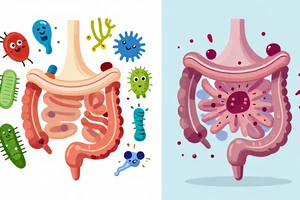
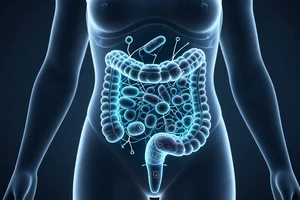
Bloating happens when gas or fluid accumulates in your digestive tract. After eating, certain foods can ferment in the colon, produce gas as they break down, or cause water retention. Some people also swallow excess air while eating, which contributes to that full feeling.
- Fermentable carbohydrates – These short-chain carbs are poorly absorbed in the small intestine and quickly fermented by gut bacteria, producing gas.
- Fat and fiber combinations – High-fat meals delay stomach emptying, giving fiber more time to ferment.
- Food intolerances – Lactose, fructose, and gluten are common culprits that cause bloating in sensitive individuals.
- Eating speed and portion size – Large meals stretch the stomach and can slow digestion.
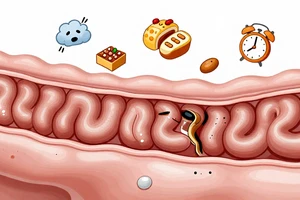
A helpful starting point: bloating that comes on within 30 minutes of eating often relates to stomach acid or swallowing air; bloating that peaks 2–4 hours later more likely involves fermentation or intolerance.
The dietitian-approved method: a food-symptom journal
Before you remove anything from your diet, spend one week tracking what you eat and when bloating occurs. This is the single most effective tool for identifying triggers. Record each meal and snack, noting the approximate portions and timing. Then rate your bloating on a scale from 0 (none) to 5 (severe) at 30 minutes, 2 hours, and 4 hours after eating. Over the week, patterns will emerge—you might notice that bloating always follows meals containing garlic and onions, or that dairy is fine in small amounts but problematic with larger servings.
The most common dietary triggers to watch for
1. High-FODMAP foods
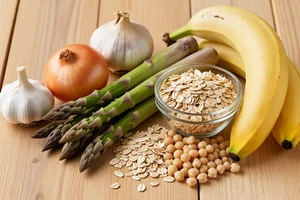
FODMAPs—fermentable oligosaccharides, disaccharides, monosaccharides, and polyols—are a family of short-chain carbohydrates that are poorly absorbed. They are the most researched dietary cause of bloating in people with functional gut disorders. Common high-FODMAP foods include wheat, onions, garlic, beans, lentils, apples, pears, stone fruits, milk, honey, and sugar-free gums containing sorbitol or mannitol.
2. Carbonated beverages and air swallowing
Soda, sparkling water, and beer introduce carbon dioxide into your digestive system. If you also chew gum, drink through a straw, or eat quickly, you are likely swallowing extra air. This type of bloating usually resolves within an hour as the gas is absorbed or belched.
3. Cruciferous vegetables and beans
Broccoli, cauliflower, cabbage, Brussels sprouts, and legumes are rich in raffinose—a complex sugar that humans cannot break down without help from gut bacteria. For many people, cooking these vegetables thoroughly or starting with smaller servings reduces the bloating effect considerably.
4. Dairy products (if you are lactose sensitive)
Lactose intolerance is more common than many realize, particularly among adults. Symptoms include bloating, gas, and cramping within 30 minutes to 2 hours of consuming milk, soft cheeses, or ice cream. Hard cheeses and lactose-free products are often well tolerated.
5. Artificial sweeteners and sugar alcohols
Sorbitol, xylitol, and erythritol are found in many sugar-free candies, protein bars, and low-calorie drinks. They are not fully absorbed and pull water into the colon, causing gas and bloating. Even small amounts can trigger symptoms in sensitive people.
How to test a suspected trigger
Once you have a suspect from your journal, do not remove it immediately. Instead, try a controlled challenge. Eat a normal portion of that food on an empty stomach and note your bloating score over the next 4 hours. If you see a clear reaction, then try a smaller portion on another day to test your tolerance threshold. Many people tolerate moderate amounts but react to large servings.
If you want to do a more systematic elimination, consider the low-FODMAP diet under guidance from a dietitian. This involves removing all high-FODMAP foods for 2–6 weeks, then reintroducing them one at a time. Do not attempt this without professional support, as the elimination phase can affect nutrient intake and gut microbiome diversity.
Practical habits that reduce bloating
Sometimes the issue is not just what you eat but how you eat. These simple changes can make a significant difference:
- Eat slowly and chew thoroughly. Put your fork down between bites. Aim for 20 minutes per meal.
- Avoid drinking large volumes with meals, which dilutes stomach acid and may slow digestion.
- Stay active. A short walk after eating helps move gas through the digestive tract.
- Check your fiber intake. If you recently increased fiber, do so gradually and drink adequate water.
When to see a healthcare professional
If bloating is accompanied by unexplained weight loss, blood in stool, persistent diarrhea or constipation, severe pain, or fever, see your doctor promptly. These could signal conditions like celiac disease, small intestinal bacterial overgrowth (SIBO), or inflammatory bowel disease. A registered dietitian can help you implement a targeted dietary plan while ruling out more serious causes through appropriate testing.