
If you live with Irritable Bowel Syndrome, you know the feeling well: that unpredictable rumble, the sudden cramp, or the bloating that makes your jeans feel two sizes too small. For years, many people with IBS were told it was “all in your head” or that they just needed to relax. We now know the gut-brain connection is very real, but the food on your plate plays a starring role in the story. Understanding how diet and nutrition affect IBS symptoms isn't about following a strict, miserable list of “can’t-eats.” It is about learning the language of your own digestive system.
This is a practical explainer—not a prescription. We will walk through the key dietary factors that influence IBS, the common triggers, and the nutritional strategies that can help you find more consistent comfort. The goal is to empower you with knowledge so you can work with your body, not against it.
Why food matters so much with IBS
IBS is a functional gastrointestinal disorder. That means the structure of your gut looks normal on tests, but the way it moves and senses things is off. Your nerves are more sensitive, your gut muscles may contract too strongly or too weakly, and your intestinal lining can be more reactive. Food is the primary input your gut has to process every single day. Because of this heightened sensitivity, certain foods can trigger exaggerated responses: pain, urgency, diarrhea, constipation, or trapped gas.
Diet doesn't cause IBS, but it is one of the most powerful levers you can pull to manage symptoms. The key is to identify your personal tolerances rather than blanket-banning entire food groups without reason.
Fermentable carbohydrates: the FODMAP factor
One of the most evidence-based dietary approaches for IBS is the low-FODMAP diet. FODMAPs are short-chain carbohydrates that are poorly absorbed in the small intestine. They travel to the large intestine where gut bacteria ferment them quickly, producing gas. In a sensitive IBS gut, that rapid gas production stretches the intestinal walls and triggers pain, bloating, and changes in bowel habits.
Common high-FODMAP foods include:
- Fruits: apples, pears, watermelon, mango, and dried fruits
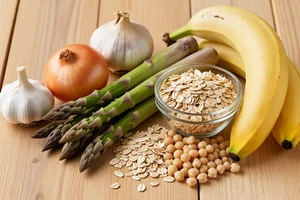
- Vegetables: onions, garlic, cauliflower, mushrooms, and artichokes
- Grains: wheat, rye, and barley in large amounts
- Dairy: milk, soft cheeses, yogurt, and ice cream (due to lactose)
- Legumes: chickpeas, lentils, kidney beans, and black beans
- Sweeteners: honey, agave, high-fructose corn syrup, and sugar-free polyols like sorbitol and xylitol
The low-FODMAP diet is not meant to be followed forever. It is a two-phase process: a strict elimination phase for a few weeks, followed by a careful reintroduction phase to pinpoint exactly which FODMAP groups you tolerate and in what amounts. Working with a registered dietitian who specializes in IBS is highly recommended for this process.
Fiber: friend or foe?
Fiber gets a lot of praise for digestive health, but for IBS, it's not that simple. The type of fiber matters enormously.
Insoluble fiber (found in wheat bran, nuts, seeds, and the skins of fruits and vegetables) can be rough and stimulating. For people with IBS-D (diarrhea-predominant), too much insoluble fiber can speed up transit time and worsen urgency. For those with IBS-C (constipation-predominant), it can sometimes feel like bulky, hard-to-pass material if you're not well-hydrated.
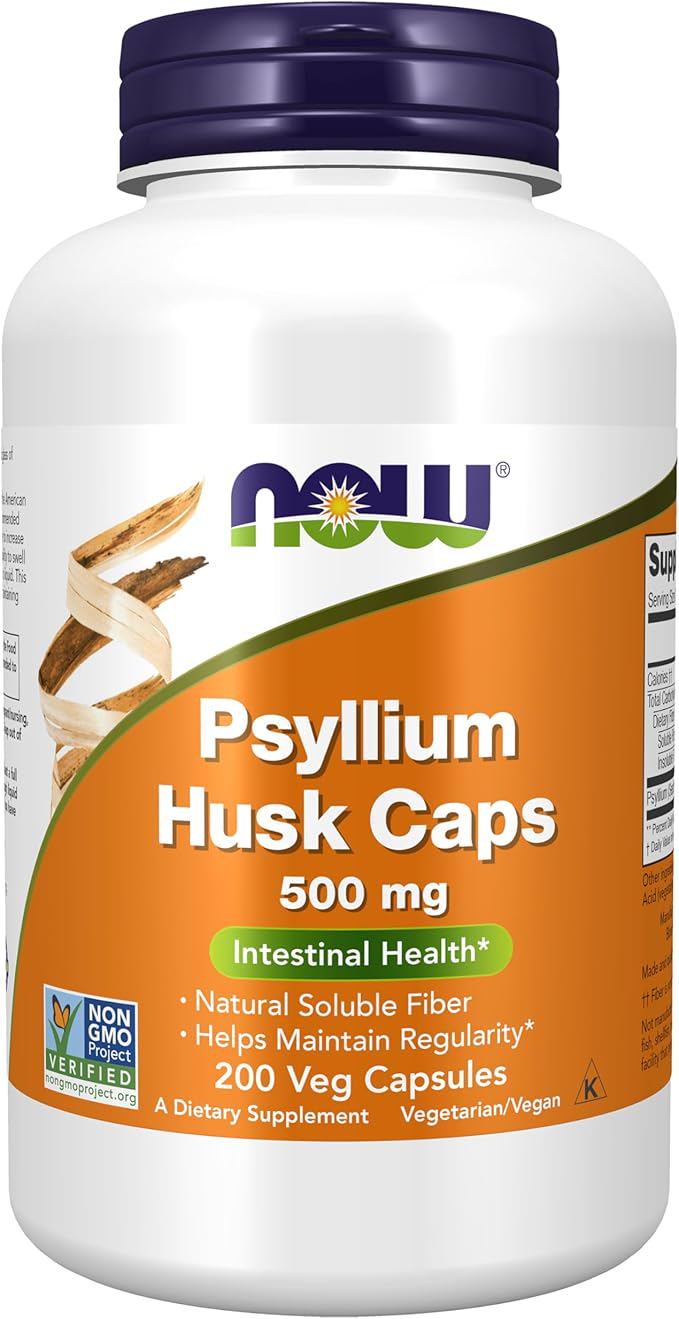
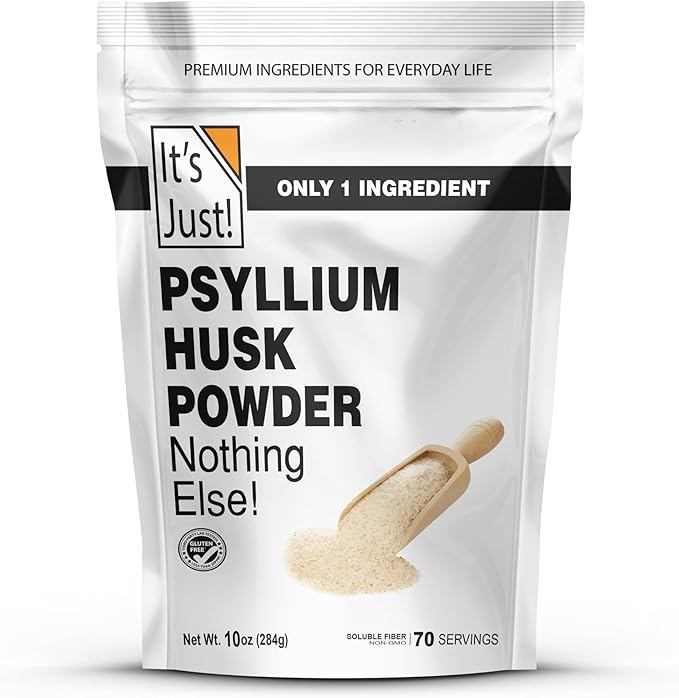
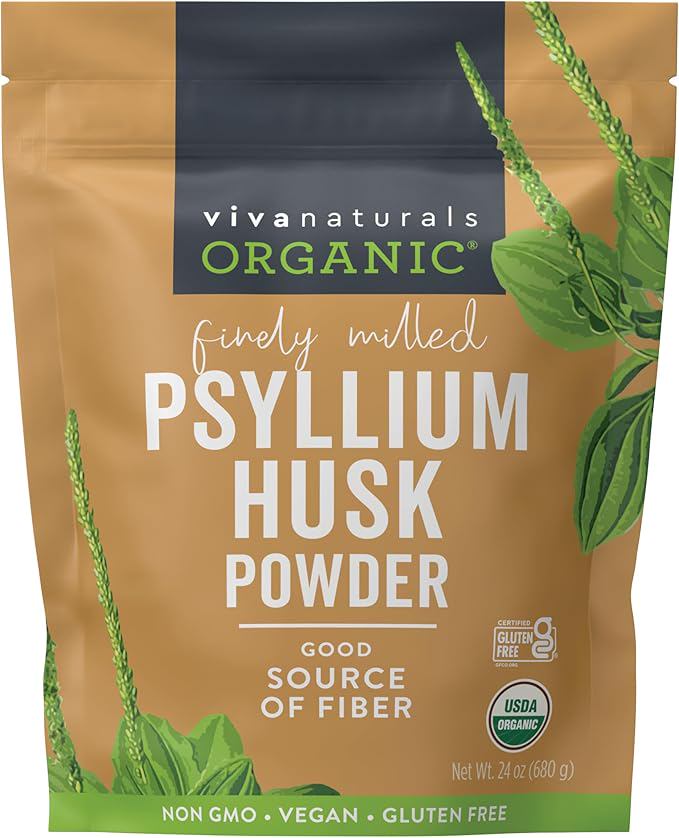
Soluble fiber (found in oats, psyllium husk, carrots, peeled potatoes, and ripe bananas) dissolves in water to form a gel-like consistency. This can help regulate bowel movements—softening stools in constipation while absorbing excess water in diarrhea. Psyllium husk supplements, in particular, have the strongest evidence for IBS symptom relief across subtypes.
A general rule: increase soluble fiber slowly, always with plenty of water, and observe how your gut responds over several days.
Fat, caffeine, and alcohol: the usual suspects
High-fat meals—especially fried foods, fatty cuts of meat, creamy sauces, and heavy oils—can stimulate strong contractions in the colon. This is called the gastrocolic reflex, and it is exaggerated in many people with IBS. Even healthy fats like avocado and olive oil can be troublesome in large portions at one sitting.
Caffeine is a known stimulant for gut motility. For someone with IBS-D, a morning coffee might trigger an urgent trip to the bathroom. Caffeine can also increase anxiety, which further tightens the gut-brain loop. Alcohol, particularly beer and wine, can irritate the gut lining and disrupt the balance of gut bacteria. It also relaxes the lower esophageal sphincter, potentially worsening reflux that often co-occurs with IBS.
Meal timing and eating patterns
Sometimes, how you eat is just as important as what you eat. Erratic meal timing, skipping meals, or eating very large meals can throw an IBS gut into chaos. Large volumes of food at once stretch the stomach and intestine more, triggering stronger nerve signals.
Practical tips for pacing:
- Aim for three smaller meals and one to two snacks spread evenly throughout the day.
- Eat slowly and chew thoroughly. Digestion starts in the mouth.
- Avoid eating within two to three hours of bedtime to reduce nighttime reflux and bloating.
- Stay hydrated between meals, but try not to drink large amounts with meals—this can dilute stomach acid and increase bloating for some.
The gut-brain axis: stress, sleep, and food
Your gut is lined with a complex network of neurons called the enteric nervous system, often nicknamed the “second brain.” It communicates directly with your central nervous system via the vagus nerve. This means stress, anxiety, and poor sleep can directly change how your gut processes food. A stressful day can make a normally safe meal suddenly problematic.
Dietary strategies alone are rarely enough if stress is unmanaged. Incorporating gentle movement (like walking after meals), prioritizing sleep, and practices like deep breathing or meditation can quiet the nervous system and calm the gut. Some people find that probiotic-rich foods—yogurt if tolerated, kefir, kimchi, or sauerkraut—support a more resilient gut environment, though evidence is mixed for IBS specifically.
A practical word on elimination diets
It can be tempting to cut out dozens of foods at once when symptoms flare. But extremely restrictive diets can lead to nutrient deficiencies, disordered eating patterns, and a shrinking list of “safe” foods that makes life joyless and socially isolating. The smarter path is targeted, temporary elimination guided by symptom tracking.
How to start: Keep a simple symptom diary for one to two weeks—note what you ate, portion sizes, time of day, and symptoms that followed. Patterns often emerge quickly. For deeper insight, the low-FODMAP elimination phase is best done with professional support. Never restrict calories or entire macronutrient groups (like all carbs or all fats) without medical supervision.
Putting it all together
Managing IBS through diet is a process of discovery, not punishment. The same food that triggers intense bloating in one person may be perfectly soothing for another. Your diet should be flexible enough to accommodate your life while giving your gut the predictable, gentle input it needs to stay calm. Start with the fundamentals: small, regular meals; adequate soluble fiber; lower fat and caffeine; and a mindful pace. Then, use targeted strategies like FODMAP reintroduction to fine-tune your personal trigger list. Most importantly, be patient—your gut can change over weeks and months as you build a new, more supportive relationship with food.