You know prebiotic fiber is essential for feeding the good bacteria in your gut. But the bloating, gas, and discomfort that often follow a high-fiber meal can make anyone second-guess their healthy choices. The good news is that discomfort is not a prerequisite for a healthy microbiome. With a targeted approach, you can effectively increase your prebiotic intake without feeling like a balloon at 3 p.m.
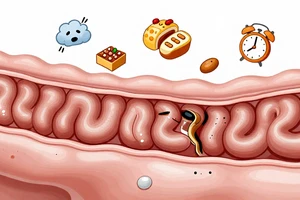
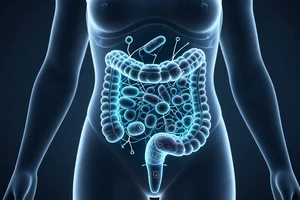
The key lies not in eating piles of raw bran, but in being strategic about how and when you introduce these fibers. Prebiotics are specific types of fiber that resist digestion in the small intestine and travel to the colon, where they are fermented by your gut flora. It is this fermentation process that produces gas—and that gas is what causes the pressure and bloating. The solution is to train your gut slowly and choose the right sources.
Start Low and Go Slow (The Golden Rule)
This is the most important strategy, and it applies to everyone. If you drink a quart of kefir tomorrow after a week of white bread and cheese, your gut bacteria will throw a party—and you’ll pay for it. Instead, begin with a single serving of a prebiotic-rich food every other day. Think half a banana, a tablespoon of raw chicory root powder, or a small handful of cooked lentils.
Stick with that amount for a few days. Once your body adapts (you feel little to no bloating), you can gradually increase the serving size or frequency over a period of two to three weeks. This acclimation period allows your microbiome to adjust its enzyme production, leading to less gas and discomfort.
A practical tip: “Listening to your gut is not just a saying; it is a biological feedback loop. If you feel significant bloating, you moved too fast. Scale back to a comfortable level and hold there for a few more days.”
Choose Low-FODMAP Prebiotics When You’re Sensitive
FODMAPs are short-chain carbohydrates that rapidly ferment in the gut. While many prebiotics are also FODMAPs (like fructans and galacto-oligosaccharides), not all prebiotics cause the same level of bloating. If you have a history of IBS or a sensitive stomach, you may want to focus on prebiotics that are naturally lower in FODMAPs or that your gut can process more gently.
Some easier-to-tolerate options include:
- Beta-glucans (found in oats and barley) – These are gel-forming and ferment more slowly.
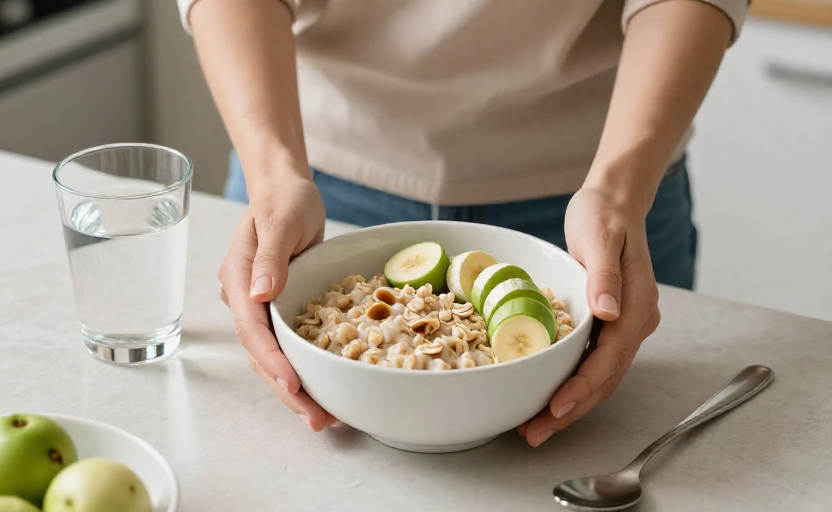
- Resistant starch from cooled potatoes or green bananas – Less intense fermentation compared to inulin.
- Partially hydrolyzed guar gum (PHGG) – This is a soluble fiber that is often well tolerated and doesn’t produce as much gas as inulin or chicory root.
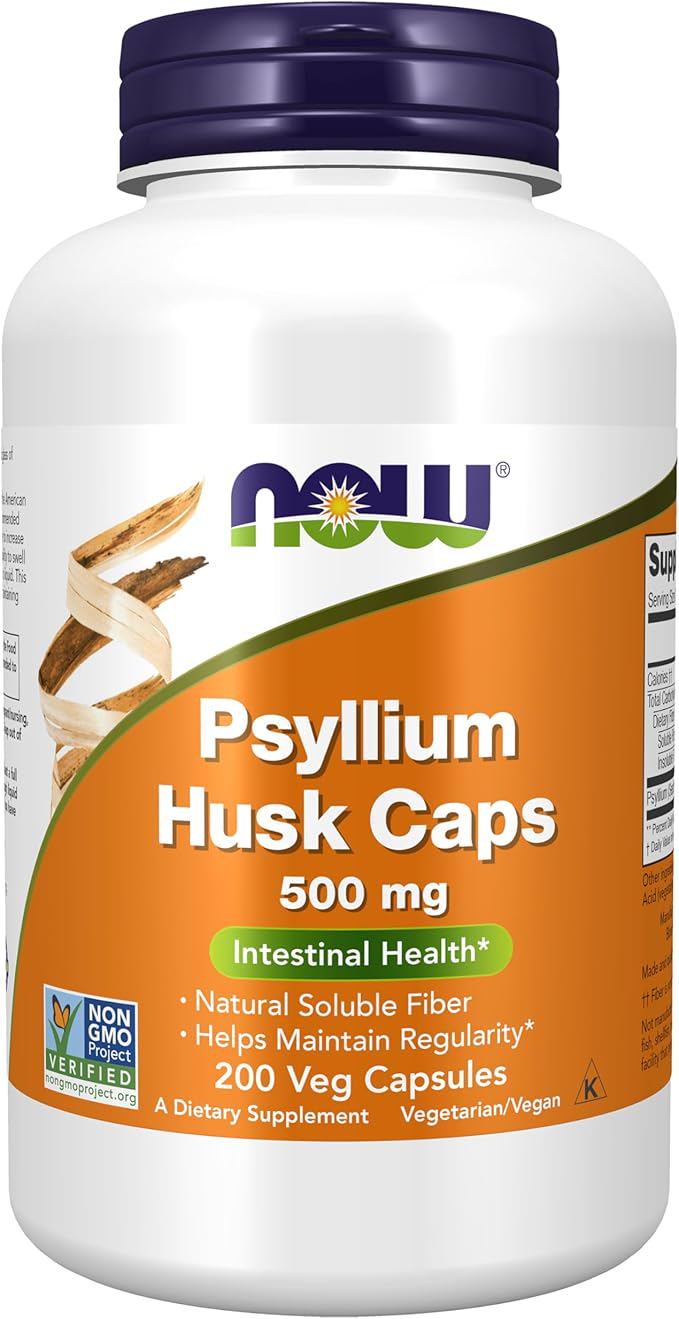
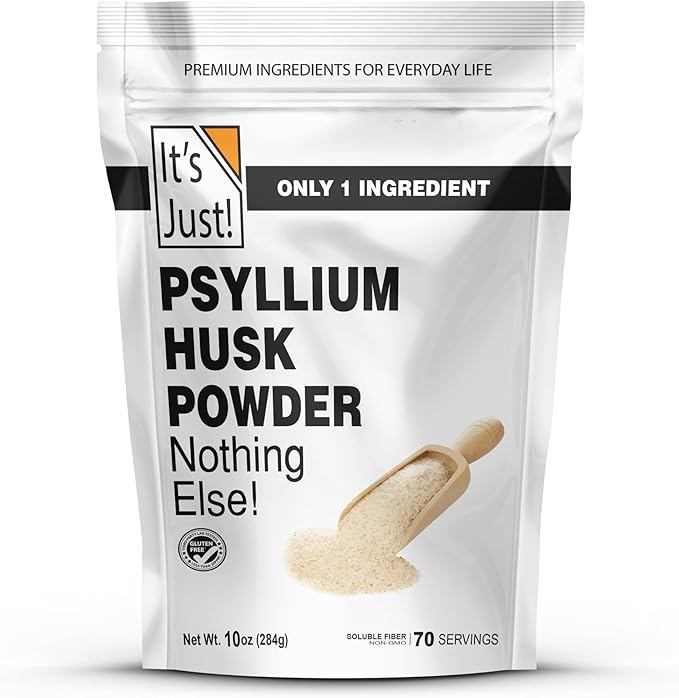
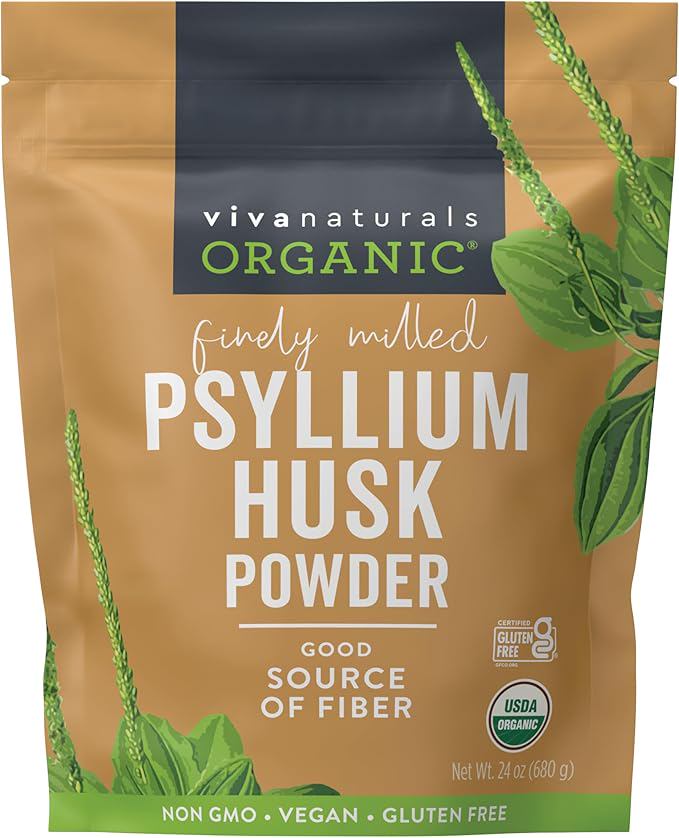
- Psyllium husk – Technically a soluble fiber, it has mild prebiotic effects and is known for reducing bloating rather than causing it, as it holds water and helps regularity.
Pair Fiber with Water (It’s Non-Negotiable)
Every gram of prebiotic fiber you eat pulls water into your digestive tract. If you are dehydrated, that fiber can become a sticky, slow-moving mass in your intestines, exacerbating gas and leading to constipation or a hard, distended belly. The solution is simple but often ignored: drink a glass of water with every fiber-rich meal or supplement.
A good rule of thumb is to aim for at least 16 ounces of water for every 5–10 grams of fiber added above your baseline. Room-temperature water or herbal tea often works better than iced beverages, which can sometimes cause digestive spasms in sensitive individuals.
Cook Your Vegetables and Soak Your Legumes
Raw vegetables are packed with fiber, but they also contain compounds like lectins and raffinose that can be tough on digestion. Cooking does not destroy prebiotic fiber—it actually softens the cell walls, making some fibers more accessible to your gut bacteria while simultaneously breaking down some of the gas-producing compounds.
- Roast or steam cruciferous vegetables (broccoli, cabbage, kale) instead of eating them raw.
- Soak dried beans and lentils overnight, then rinse them thoroughly before cooking. This removes many of the oligosaccharides (the FODMAP sugars) that cause bloating.
- Use a pressure cooker for legumes, which can reduce gas-producing substances by up to 50 percent.
Consider Enzyme Support (Not a Crutch, but a Tool)
For some people, the enzyme alpha-galactosidase (found in products like Beano) can help break down complex sugars in legumes and cruciferous vegetables before they reach the colon for fermentation. This does not block the prebiotic effect entirely—it simply reduces the sudden volume of gas produced. This can be a useful bridge while your gut adapts to a higher fiber intake.
Sample Stepped Approach (How to Apply This Today)
If you are starting from a low-fiber diet, consider this gradual ladder:
- Week 1–2: Add a tablespoon of cooked oatmeal (beta-glucans) or a quarter of a green banana (resistant starch) to breakfast. Drink a full glass of water with it.
- Week 3–4: Add half a cup of cooked lentils (soaked and rinsed) to lunch twice a week. Pair with a digestion-friendly herb like ginger or fennel tea.
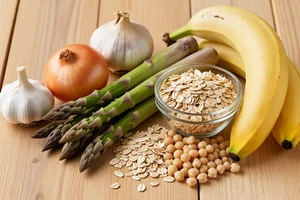
- Week 4–6: Introduce a small serving of cooked asparagus or Jerusalem artichoke (both high in inulin) once or twice a week, but only if the earlier steps are well tolerated.
- Ongoing: If you still experience discomfort at any stage, drop back to the previous level for another week before trying again.
Remember: A little gas is normal and even a sign of a healthy fermentation process. The goal is to eliminate the painful distention and cramping, not the occasional rumble.
Building a gut-friendly diet is a marathon, not a sprint. By respecting your individual tolerance, prioritizing water intake, and choosing your prebiotic sources wisely, you can enjoy the deep benefits of a flourishing microbiome—flat belly, quiet digestion, and calm energy included.