
The morning of a race is already packed with enough nervous energy without adding an unexpected cramp, a sudden urge to find a porta-potty, or that dreaded feeling of bloating at the starting line. For many runners, triathletes, and weekend warriors, gut distress is the invisible opponent that can sabotage months of training. While pre-race jitters play a role, your digestive system is often reacting to specific dietary choices made in the 24 to 48 hours before you toe the line.
This isn't about a drastic, restrictive diet. It's about strategic awareness. Understanding which common foods and drinks tend to trigger gas, bloating, and urgency allows you to build a simple, reliable pre-race meal plan that keeps your stomach calm and your legs ready to perform. The following advice draws on principles of sports nutrition and gut-health science to help you cross the finish line comfortably.
Why Your Gut Gets So Sensitive Before a Race
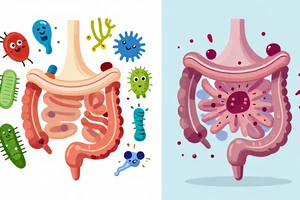
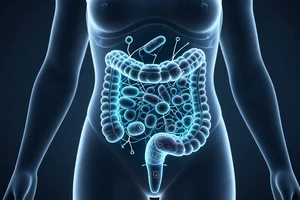
First, it helps to understand why your stomach feels like a ticking time bomb on race day. The body diverts blood flow away from the digestive system and toward your working muscles and lungs during high-intensity exercise. This means digestion slows down, leaving food sitting in your stomach and intestines longer than usual. Combine this physiological shift with pre-race anxiety (which can accelerate gut motility), and you have a recipe for distress.
The goal of your pre-race nutrition is to top off glycogen stores without leaving any lingering, partially digested food that could ferment, cause gas, or draw water into the bowel. This means avoiding foods and drinks that are known to be hard to digest or that can irritate the gut lining.
The Prime Culprits: What to Leave Out of Your Pre-Race Meal
High-Fiber Foods That Can Backfire
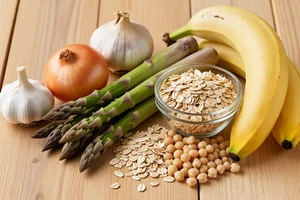
Fiber is the champion of regular digestion on a normal day, but it is often the enemy of a calm gut before a race. Insoluble fiber, found in things like wheat bran, raw vegetables (think broccoli, cauliflower, and kale), and the skins of fruits, acts like a scrub brush through the digestive tract. This can accelerate bowel movements at precisely the wrong moment. Soluble fiber in foods like beans, lentils, and oats can draw water into the intestines and cause bloating and gas as gut bacteria ferment it.
A simple rule: avoid large salads, heavy bean-based chili, and whole-grain bread with visible seeds or grains in the 12 hours before your event. Stick to simple, refined carbs like white rice, plain pasta, or a peeled potato.
Fatty, Fried, and Rich Foods
Fat takes the longest to digest. A greasy cheeseburger or a rich, creamy pasta dish the night before a race is asking for trouble. Fat slows gastric emptying, meaning that food will linger in your stomach while you are trying to run. This can lead to feelings of heaviness, nausea, and even acid reflux. Keep all meals the day before and the morning of your race very low in total fat. Skip the butter on your toast, the oil on your vegetables, and absolutely avoid fried anything.
Dairy: A Common Hidden Trigger
Even if you don't consider yourself lactose intolerant, the stress of exercise can temporarily reduce the activity of lactase, the enzyme needed to digest lactose. A bowl of cereal with milk the night before, or a yogurt-based smoothie race morning, can result in stomach gurgling, gas, and diarrhea that only appears once you start running. Consider swapping cow's milk for a lactose-free alternative like almond, oat, or soy milk in the 24-hour window before your race. Aged hard cheeses, like Parmesan or cheddar, are lower in lactose and may be better tolerated than milk or soft cheeses.
Sugar, Spice, and Everything Not-So-Nice
Artificial Sweeteners and Sugar Alcohols
This is one of the biggest pitfalls for endurance athletes. Sugar-free chewing gum, protein bars, energy chews, and certain sports drinks are loaded with sugar alcohols (ending in -ol, like sorbitol, xylitol, mannitol) or artificial sweeteners like sucralose. These are notorious for drawing water into the bowel and being rapidly fermented by gut bacteria, producing gas and causing cramping and diarrhea. Check every label. If you are going to use a gel or chew during the race, only use the brand and flavor you have tested multiple times in training.
Spicy Foods and Acidic Triggers
A spicy curry or a salsa-heavy meal the night before a race is a gamble with reflux and stomach irritation. Capsaicin, the compound that gives chili peppers their heat, can irritate the stomach lining and speed up transit time. Similarly, highly acidic foods like citrus fruits, tomatoes, and coffee can be problematic for some people. While a morning cup of coffee is a powerful pre-race ritual (and often helps with a pre-race bowel movement), be aware that it is a gut stimulant. If you are prone to runner's trots, consider a smaller amount than usual or a low-acid cold brew.
Hydration: Not Just Water, But the Right Kind
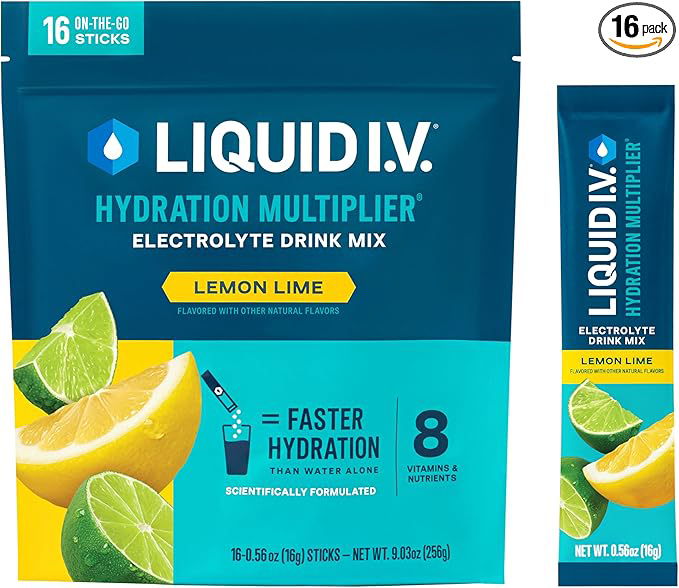
Dehydration is bad for performance, but over-hydrating with plain water right before a race can also cause sloshing and discomfort. The key is to hydrate steadily in the 24 hours before, and to make sure your hydration includes enough electrolytes, particularly sodium. Plain water without electrolytes can tend to flush through you, leading to more bathroom breaks. A sports drink you tolerate well, or water with a pinch of salt and a splash of juice, can help you retain fluid without upsetting your stomach.
Your Practical Pre-Race Plan
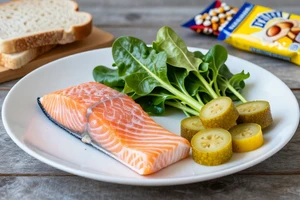
- Night before: A simple meal of white rice or pasta with a lean protein (chicken, fish, or tofu) and a well-cooked, non-gassy vegetable like carrots or zucchini. No heavy sauces.
- Morning of: A small, familiar breakfast eaten 2–3 hours before the start. Think a plain bagel with a thin spread of peanut butter, a banana, or a bowl of low-fiber cereal with lactose-free milk.
- The final hour: Water or an electrolyte drink only. Avoid solid food in the 60–90 minutes before the gun goes off.
The most important piece of expert-backed advice is simple: never try anything new on race day. Your gut is unique. What triggers a cramp in one person might be fine for another. The best way to avoid distress is to test your pre-race nutrition during your long training runs, using these principles as a starting guide.